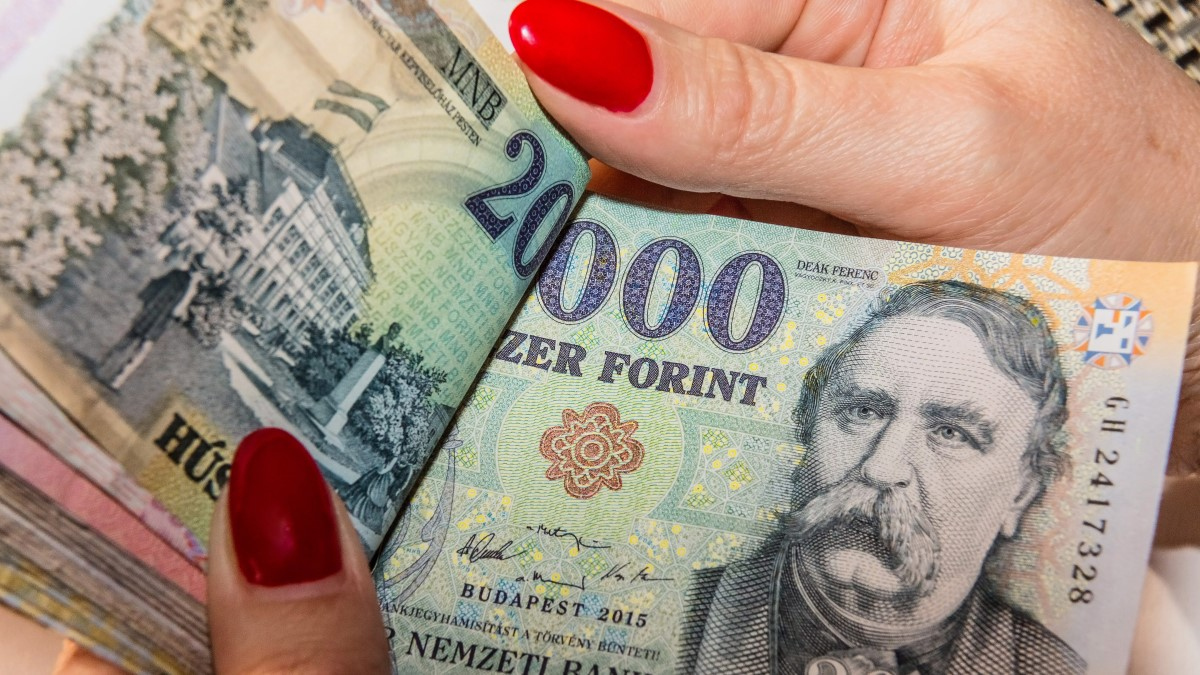
Hungary’s forint exchange rate is getting stronger and stronger, which makes holidaymakers happy and exporters sad, writes Hungarian media outlet Világgazdaság based on Bloomberg’s analysis. The forint is at an 11-month high against the euro and more than two-year high against the dollar. There are several reasons for this.
Monday evening’s Ukrainian-European-American negotiations had a positive impact on the Hungarian currency exchange rate.
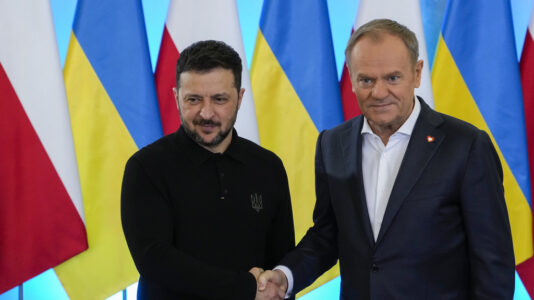
Central and Eastern European currencies are the main beneficiaries of growing market optimism that a historic meeting of European leaders at Trump’s White House could prompt Volodymyr Zelensky and his counterpart Vladimir Putin to sit down at the negotiating table.
The forint has strengthened against the euro at an important level, and the technical resistance levels near 390, which are being monitored in the market, may even be broken.
Even if Hungarian inflation has decreased, there is no sign that the Hungarian central bank (MNB) will cut interest rates anytime soon, which would be beneficial to the forint exchange rate, as interest rate cuts are also being discussed in the United States and many other places.
Andrea DiCenso, a portfolio manager and strategist at Boston-based Loomis, Sayles & Co., a major American player, describes the fundamental situation that is likely to support the forint for years to come as follows.
“For foreign exchange plays, we advocate diversifying. There are many winners from the weak dollar trade. With the European Union spending that’s likely on the horizon, a lot of Eastern European currencies are performing very well — think Romania, Poland, Hungary. Frontier markets have also been doing tremendously well. Countries that look really interesting from a currency perspective are Nigeria and Egypt, which are more esoteric areas that can continue to see growth and be a little more insulated from Washington.”
Behind the trend of the strengthening forint is another trend, the weakening of the dollar. The dollar’s strengthening and weakening cycles usually last seven to nine years, and the previous strengthening cycle, which seems to be coming to an end, lasted more than a decade. American investors also see opportunities in emerging market stocks and certain foreign currency bonds.
In light of the expected spending by the European Union, many Eastern European currencies are performing very well, including Romania, Poland, and Hungary.
It may seem strange, according to the newspaper, that from as far away as the United States, the countries of almost an entire continent are being lumped together from an investment perspective.
However, countries like Hungary and Poland are expected to benefit from Germany’s spending spree, as those countries are closely integrated into the German economy and its export network.