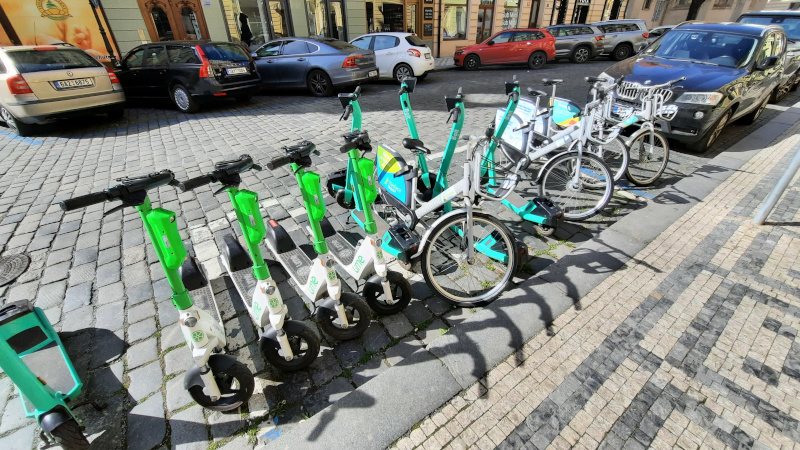
Prague will ban shared electric scooters from its streets starting in January under a new transport regulation system approved by city councilors.
The move follows years of complaints from residents and central city districts, who say parked scooters clutter pavements and that users, particularly tourists, pose risks to pedestrians by riding on sidewalks.
According to Echo24, the city’s new regulatory framework will rely on contracts between the Technical Road Administration (TSK) and operators of shared bicycles and e-bikes, which will be allowed only in designated parking zones. Shared e-scooters will not have such zones and will therefore be effectively barred from operation. Any scooters found parked on public streets will be removed by TSK.
Companies such as Lime and Bolt, which currently operate scooter-sharing services in the Czech capital, had sought to negotiate with resident associations and local councils, but those efforts failed to halt the incoming ban.
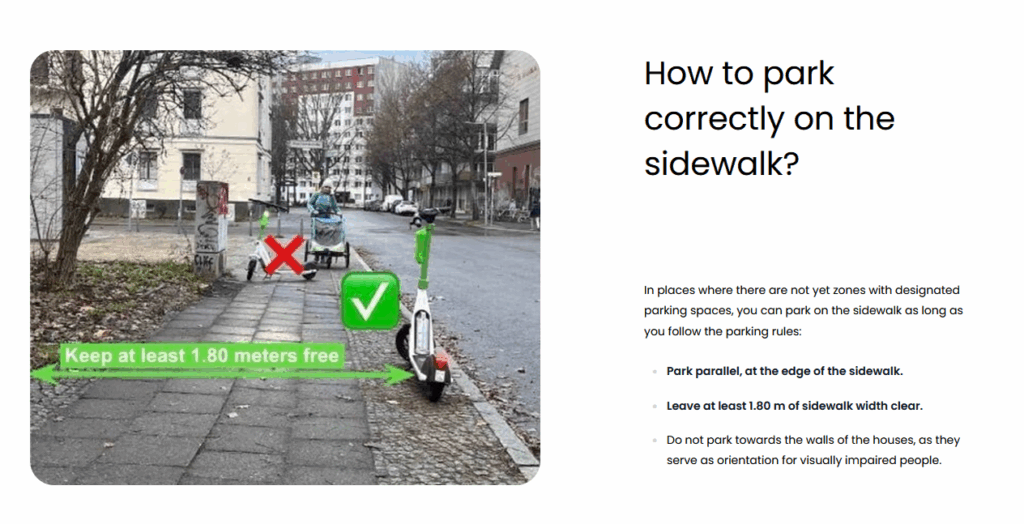
Lime had even launched instructions on its website detailing how one should correctly park a scooter in the city, urging riders not to park closer than 4 meters to bus and tram stops, not to park near intersections and crossings, and not to block emergency access roads.
Operators of permitted transport options will be charged a monthly fee of 25 crowns per vehicle for use of city parking spaces. Deputy Mayor Zdeněk Hřib of the Pirate Party, who introduced the measure earlier this year, said the decision followed recommendations from the Ministries of Transport, Interior, and Industry and Trade.
The city cited a series of problems linked to shared scooters, including a high number of accidents, frequent traffic violations, and public order issues. Officials also argued that the vehicles are rarely used for everyday transport by Prague residents and instead serve as a form of entertainment in inappropriate locations such as parks and sidewalks. Privately owned scooters will not be affected by the new rules.
Opposition to shared scooters has been especially strong in Prague 1, the city’s central district, where a local referendum held alongside recent parliamentary elections showed support for limiting or outright banning them.
“We are finally introducing clear and enforceable rules that will bring order to the public space and end the uncontrolled operation of shared e-scooters,” Hřib said, as cited by Expat.cz. “In the city center, they were often used more as a tourist attraction than as a means of transport, creating chaos on sidewalks and in pedestrian zones.”