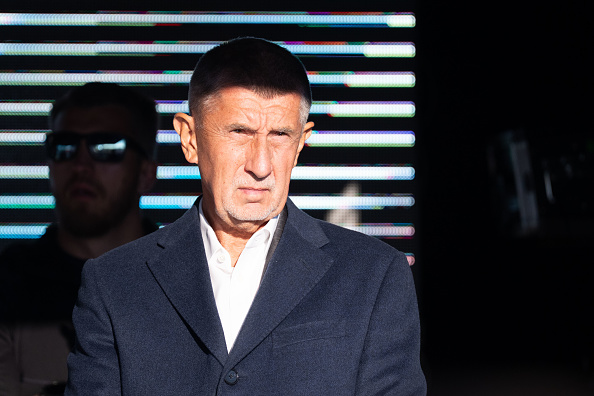
Czech Prime Minister Andrej Babiš will enter next Thursday’s European Council summit in Brussels prepared for a confrontation over EU finances, saying the Union must first fix “huge evasions” in VAT and customs before asking member states to commit more money.
With his government formally appointed on Tuesday, Babiš will represent the Czech Republic at the next meeting of member state heads on Dec. 18.
As reported by Echo24, EU leaders pledged in October to secure Ukraine’s “urgent financial needs” for 2026 and 2027, and must decide this month how to honor that commitment. European Council President António Costa emphasized the urgency in his invitation letter, calling the issue the summit’s core priority.
Babiš, however, signalled he will push the debate beyond Ukraine and address wider financial concerns within the bloc. “The EU mainly deals with expenditures and does little with revenues, where there are huge evasions,” he said, arguing that Brussels should first address leakages and identify new resources rather than expand spending.
He added that he had already been in contact with EU leaders and intended to propose further issues for the Union to tackle, including energy, customs, and VAT fraud.
His stance places him at odds with the European Commission’s proposals for bolstering the bloc’s coffers as part of the next multiannual financial framework (MFF), which officials in Babiš’s ANO movement have criticized as shifting burdens onto national budgets.
ANO MEP Klára Dostálová said the party’s priorities include maintaining cohesion funding, protecting regional partnerships, securing transport infrastructure funds, and ensuring support for coal-transition regions. She added that several parliamentary factions shared concerns about new EU revenue mechanisms.
Despite a possible clash of ideas, European Commission President Ursula von der Leyen and European Council President Costa both congratulated Babiš on his appointment on Tuesday and said they looked forward to working with him at the summit.
The new governing coalition — ANO, the Freedom and Direct Democracy movement (SPD), and the Motorists party — is expected to oppose several flagship EU policies, including Ukraine financing, the migration pact, and the Green Deal. Coalition leaders have vowed to reject the migration pact at the cabinet’s first meeting, insisting that the EU cannot impose obligations on Czechia.
ANO deputy chairman Karel Havlíček said, “The European Union will not govern us. We will respect certain rules that apply there, but we are accountable to our voters.”
SPD leader Tomio Okamura confirmed that the parties had agreed to tighten residency-permit rules, reject ETS2 emission permits, and oppose any measures they argue increase Czech household costs, which could extend to greater financing of Ukraine and further Russian sanctions.
Adoption of the EU migration pact is a red line for all coalition parties. The plan mandates that member states either accept relocated migrants, pay €20,000 per migrant not taken, or provide operational assistance; ANO and its allies have long called it a violation of sovereignty.
The Commission has indicated that several countries — including Czechia — may receive temporary relief from full implementation due to earlier solidarity with Ukrainian refugees, an arrangement not offered to Slovakia and Hungary.