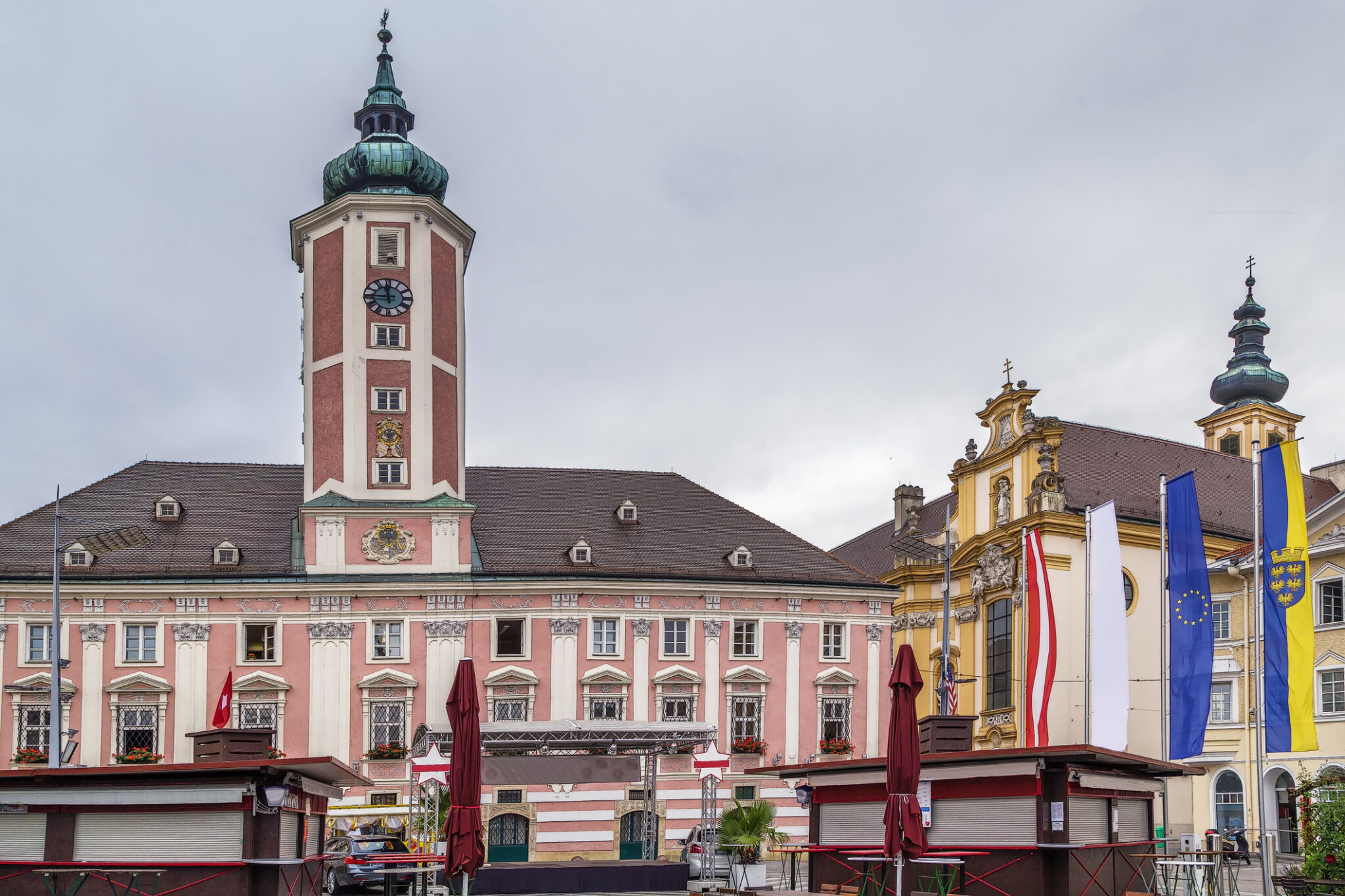
The Austrian city of St. Pölten illustrates how, in even smaller European cities, the social and financial burden of foreigners is incredible, the latest sign that foreigners on welfare is not just a problem for major cities, but also in smaller cities, towns, and even rural areas.
The data shows that 49 percent of all social assistance paid out in the small city of approximately 56,000 people is going to just two groups of origin: Syrians and Afghans, according to the Austria Press Agency (APA).
The data shows that a total of 1,278 people in the Lower Austrian capital receive social benefits, as of January 2026. Nearly half of these recipients, 528 people, are from Syria, which amounts to 41 percent of recipients. In addition, Afghans receive another 8 percent, which amounts to 99 recipients.
In total, 72 percent of all recipients are foreigners, when factoring in all recipients, which includes other foreign countries besides Afghanistan and Syria.
Of those with Austrian citizenship, there are 359 beneficiaries, amounting to just 28 percent of the fund, despite this group making up the vast majority of people in the small city.
The Austrian Freedom Party (FPÖ), known for its opposition to mass immigration and a proponent of remigration, has reacted negatively to the welfare data.
State Councillor and top candidate Martin Antauer stated in a press release: “Social assistance is there to help Austrians in need through no fault of their own so that they can get back on their feet and not for Syrians and Afghans who have never paid a cent into the system and are making themselves comfortable in the social hammock.“
Antauer says that social assistance must be linked to Austrian citizenship.
Notably, his party is polling at 37 percent, according to the latest polling, making it the number one party in the nation.
Austria, like many other European countries, is facing billions in costs linked to mass immigration, including social benefits, housing, and education costs. Notably, nearly all cases of welfare fraud are linked to foreigners.
“More than 70 percent of the suspects are not Austrian citizens,” said Gerald Tatzgern, head of the department for combating welfare fraud. One common form of fraud is couples registering at different apartments to receive higher benefits, while still living in the same house or apartment.
At the same time, these same foreign groups are committing an extremely disproportionate amount of crime in the country, committing nearly half of all crimes.
🇦🇹‼️ 534,193 criminal cases were reported in Austria last year.
Nearly half of all suspects were non-Austrians.
***
(N.B. "Austrian citizens" also includes naturalized foreign-born suspects.) pic.twitter.com/ojMHVUIFlH
— Remix News & Views (@RMXnews) April 15, 2025The tremendous costs of migrants are being felt across Europe, including one landmark study from the University of Amsterdam, which showed that migrants had cost the Netherlands an incredible €400 billion between 1995 and 2019.
Meanwhile, researchers in France estimate that migrants cost the French state €25 billion a year.