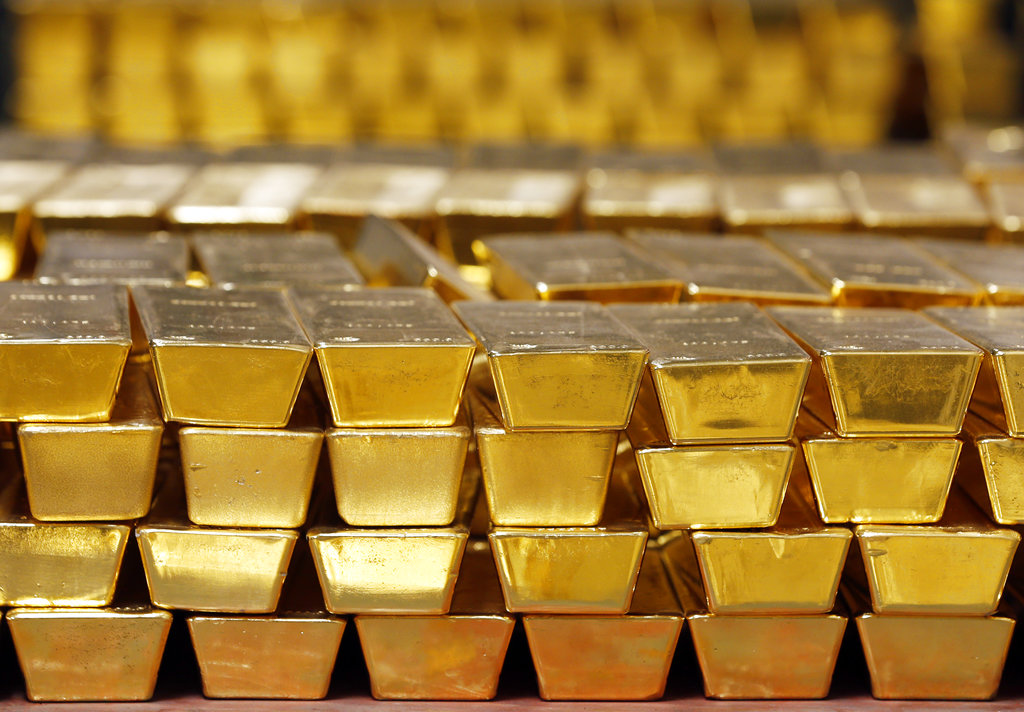
Russia, the world’s second-largest gold producer, has decided to aggressively sell gold and foreign currencies from its reserves accumulated in its National Welfare Fund.
According to a report from Do Rzeczy, the move comes in response to deep fiscal problems caused by falling oil revenues from oil and gas exports, as well as a growing budget deficit, which Gazprombank estimates place as high as 6 trillion rubles (€67 billion).
Russian media estimates that the pace of gold sales is currently twice as high as in December 2025. In total, since the beginning of the war in Ukraine, Russian authorities have sold about three-quarters of their gold held in the NWF, reducing the fund’s gold holdings from over 400 tons to around 160-173 tons by early December 2025, a drop of more than half.
According to media reports, last year alone, gas and oil generated significantly less revenue than the previous year, and revenues from commodity sales were the lowest since the pandemic. The Moscow Times explains that the Russian authorities intend to liquidate gold reserves at an unprecedented pace.
From Jan. 16 to Feb. 5, the Ministry of Finance will sell 12.8 billion rubles worth of Chinese yuan and gold from the fund daily (a total of 192.1 billion rubles). These operations are expected to become the largest daily sales since the mechanism’s inception. Interfax reports that this scale even exceeds the record pace from the COVID-19 crisis, when assets were sold for approximately 11.4 billion rubles per day.
Official data indicates that the NWF’s gold holdings have fallen by approximately 60 to 71 percent since 2022, from over 405 tons to less than 180 tons. Significantly, much of the sell-off so far has been for accounting purposes, involving transfers of gold between the Finance Ministry and the Central Bank. Recently, however, the Russian Central Bank has begun selling physical gold, effectively leaving its reserve holdings, a historical exception and a sign of deepening budgetary difficulties.
The Kremlin estimates that the budget deficit could reach 5.7 trillion rubles this year, which casts doubt on further economic development and the financing of public liabilities. Gazprombank’s budget deficit forecasts indicate it could reach as much as 6 trillion rubles.
The Moscow Times notes that the government initially planned to reduce the deficit to 3.8 trillion rubles, or 1.6 percent of GDP.
Russia mines more than 300 tons of the metal a year, making it a gold powerhouse. Since 2022, however, Western markets refuse to accept Russian gold bullion, including by the London Bullion Market Association, effectively banning Russian gold from world’s biggest over-the-counter gold-trading hub.
However, gold’s price rally has been a major boon for Russia, generating an estimated €260 billion gain since February 2022.