European countries sharply increased their purchases of Russian gas in January, with both pipeline deliveries and liquefied natural gas (LNG) imports amid cold weather and declining storage reserves, despite Brussels approving a phase-out plan to be imposed on EU member states.
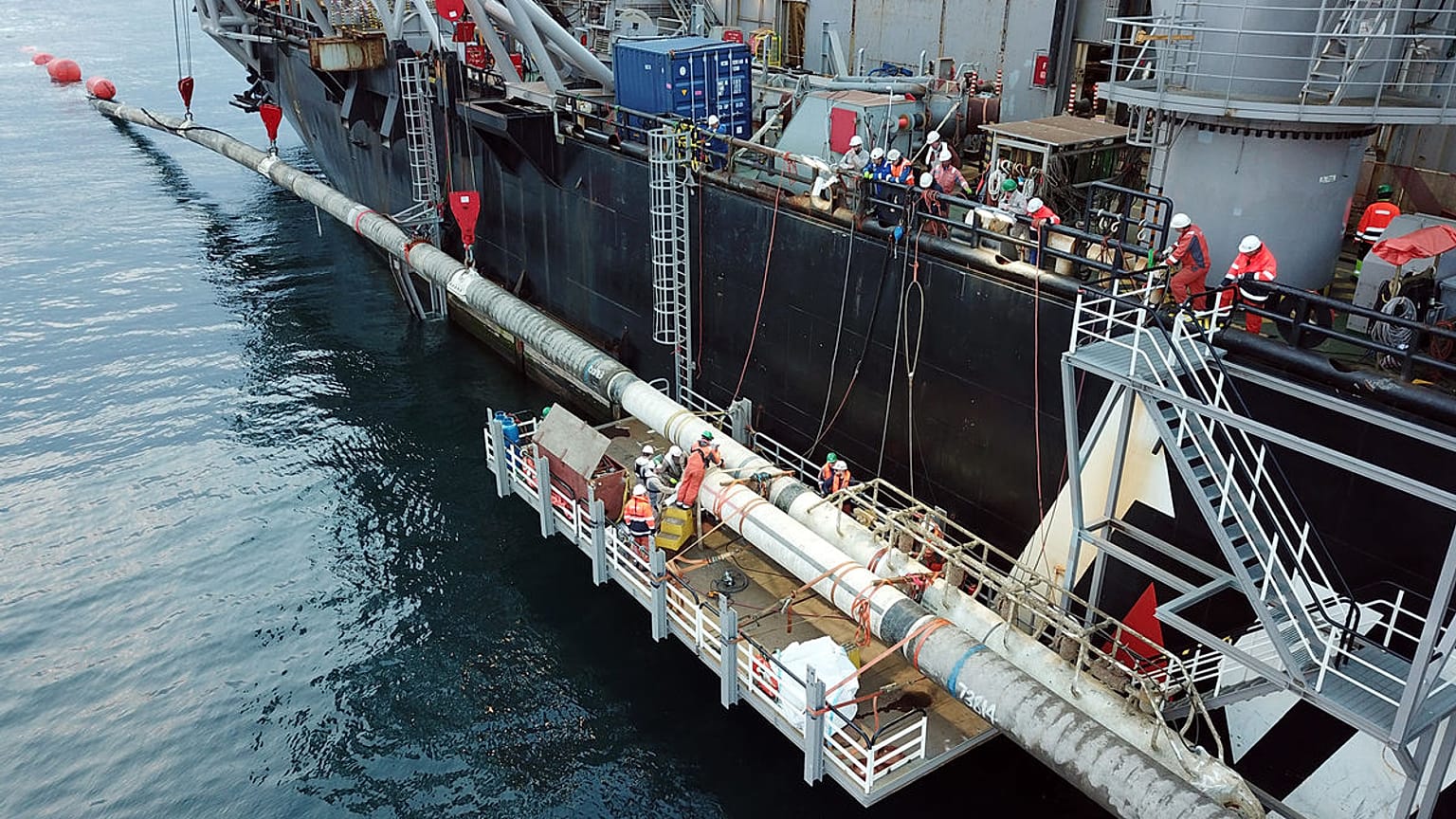
As reported by Magyar Hírlap, data from the European Network of Transmission System Operators for Gas (ENTSOG) showed that Russia boosted gas exports to Europe through the TurkStream pipeline by 11 percent year on year in January, reaching 1.73 billion cubic meters. At the same time, European buyers maximized purchases of Russian LNG.
Available data indicated that Russia supplied between 2.1 and 2.3 billion cubic meters of LNG to European markets during the month, the highest level recorded so far. Pipeline deliveries through Balkan Stream, an extension of TurkStream supplying Southeast Europe, also operated at full capacity, averaging 56 million cubic meters per day in January — nearly 25 percent above planned levels.
Analysts attributed the surge in imports to colder winter temperatures across Europe, declining levels in underground gas storage facilities, and reduced LNG shipments from the United States, which has also faced colder weather conditions. Experts cited by Russian business broadsheet Izvestia expect gas prices to rise further in the second quarter of 2026 due to ongoing supply pressures.
As a result of the increased volumes, Russian LNG now accounts for approximately 19 percent of total European Union LNG imports. Despite rising demand, supply constraints mean Russia would be unable to significantly expand deliveries further even if additional purchases were sought, as export capacity toward Europe is already heavily utilized.
The development raises renewed questions over the European Commission’s strategy to phase out Russian fossil fuel imports. Brussels previously approved, by qualified majority voting, measures aimed at ending Russian gas imports despite opposition from Hungary and Slovakia, which argue the move threatens European energy security and is evidence of Brussels overstepping its boundaries as competence related to energy supply remains with member states, at least according to the European treaties.
Meanwhile, EU gas storage levels have fallen to multi-year lows, contributing to rising prices. Concerns over supply security have triggered the largest monthly increase in gas prices in two years on Europe’s benchmark Title Transfer Facility (TTF) exchange, according to reporting by the Financial Times.
The situation highlights the continued tension between the EU’s geopolitical and energy diversification goals and the practical realities of securing sufficient gas supplies during periods of high demand.
Last month, Budapest and Bratislava announced plans to launch a legal challenge against the Russian energy ban at the Court of Justice of the European Union.
Hungarian Foreign Minister Péter Szijjártó accused Brussels of using a legal workaround to force through measures that should require unanimous approval.
“The REPowerEU plan is based on a legal trick, presenting a sanctions measure as a trade policy decision in order to avoid unanimity,” he said. “This goes completely against the EU’s own rules. The Treaties are clear: Decisions on the energy mix are a national competence.”
Slovak Foreign Minister Juraj Blanar confirmed that his country will also join the legal challenge.