
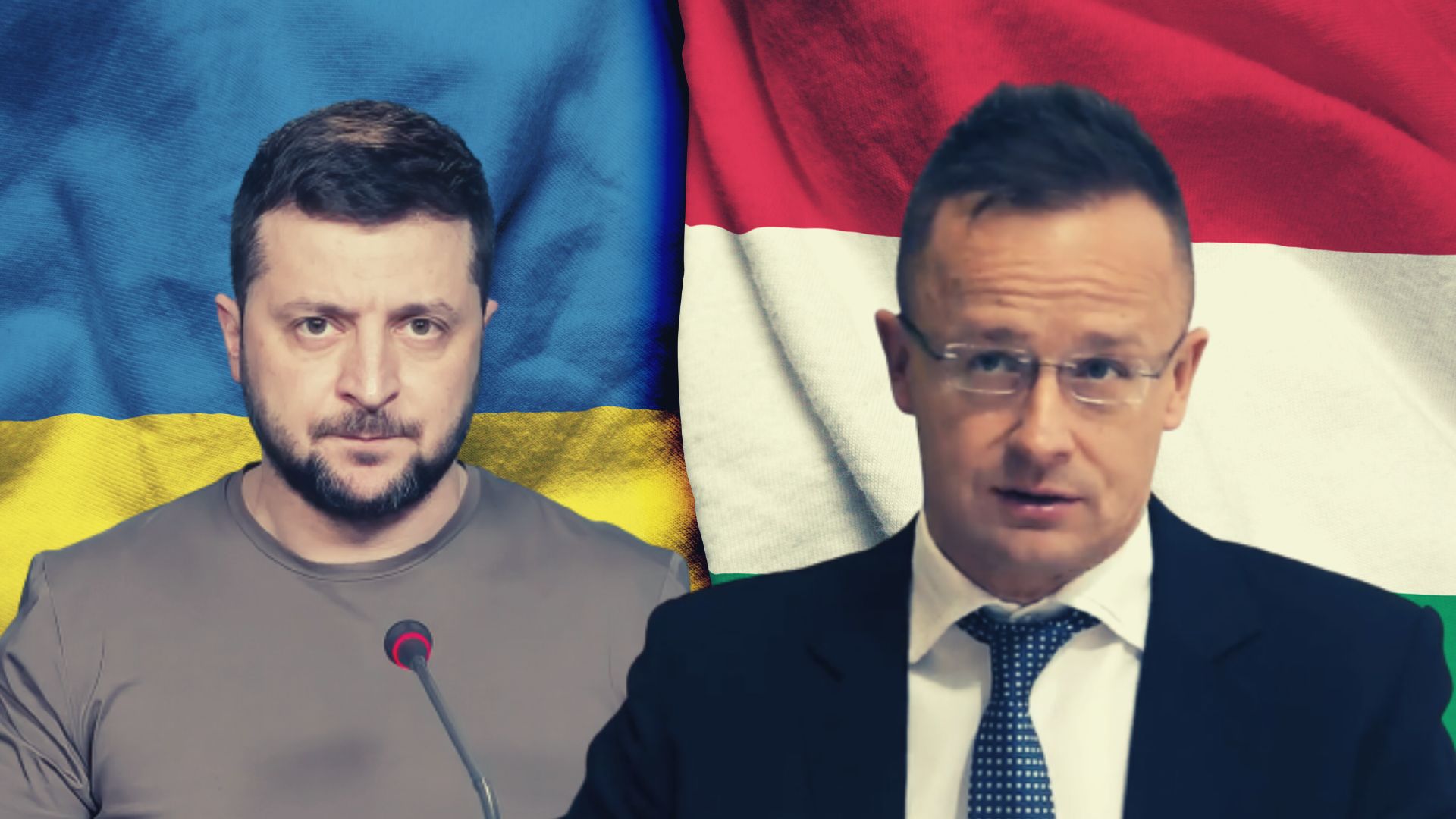
Hungary has announced that it will stop diesel fuel deliveries to Ukraine until Kyiv restarts oil transit via the Druzhba pipeline to Hungary.
Reminding people that “a large part of Ukraine’s gas, electricity and diesel imports arrives through or from Hungary,” he accused Ukrainian President Volodymyr Zelensky of playing politics, namely, attempting to create an energy crisis to help the opposition Tisza party in the election this April.
“We cannot be expected to guarantee another country’s energy security while our own supply is put at risk. Energy cooperation must be mutual and based on respect, not pressure,” he posted on X, underlining the “essential role” Hungary plays in Ukraine’s energy security.
Prime Minister Orbán also posted on Facebook: “The government has decided: we will stop the transport of diesel from Hungary to Ukraine with immediate effect, until the Friendship oil pipeline is restarted.” Hungary also stated yesterday that it may decide to cut off electricity and natural gas transports to Ukraine as well, as confirmed by Reuters.
Szijjártó confirmed that Hungary’s crude oil supply remains secure, with strategic reserves sufficient for 96 days. Hungary also expects Croatia to comply with European rules and allow Russian crude oil to arrive by sea from mid-March.
Hungary’s crude oil supply is ensured by two pipelines, reminds Mandiner, the primary one being the Friendship (Druzhba) pipeline through Ukraine and the Adria pipeline in Croatia serving as more of a supplementary one.
Hungary imported around 4.9 million tons of crude oil via the Friendship pipeline last year, while only 400,000 tons arrived via the Adria pipeline.
“So Hungary’s energy supply is always on solid footing when it comes to crude oil, because it has two legs,” he said, noting that transit via the Friendship pipeline stopped on Jan. 27, and following Ukraine’s decision, it has not restarted since then, even though this would be entirely possible technically.
According to Szijjártó, Zelensky’s refusal to restore service on the Druzhba is election interference, given it plays directly into the opposition’s hands. There are no physical or technical obstacles to restarting the oil pipeline, he notes.
“This is open interference in the Hungarian elections, which we reject! We reject political interference!” said Hungary’s FM, who also asked everyone to stand up against Ukraine in the recent National Petition and say no to war, the financing of Ukraine, and higher energy prices.
Péter Szijjártó underlined that although the import of Russian crude oil is prohibited under current European Union rules, landlocked Hungary and Slovakia are exceptions, as the two countries have been granted exemptions for pipeline transport.
He then highlighted that this rule also includes another clause, according to which if land transit of Russian crude oil is impossible, Budapest and Bratislava can also purchase from Russia by sea.
“That is why, at the end of last week, the Slovak Minister of Economy and I officially notified the Croatian government that we are taking advantage of this European rule and intend to transport Russian crude oil to Hungary and Slovakia via the Adriatic oil pipeline.”
According to him, MOL has ordered Russian crude oil for sea transport, a total of 500,000 tons.
“This shipment can arrive at the Croatian port around the first days of March, and from there it will take five to ten days for this crude oil to reach MOL’s two refineries in Hungary and Slovakia,” he continued.
“The European rule is binding on everyone, including Croatia. It is not about restructuring the Hungarian energy supply, but about living by a European rule. It is not a favor, not a kindness, not a humanitarian act, but respecting European rules,” he said.
He also believed that although the Croatian side believes that the transport of Russian crude oil may even run into U.S. sanctions, this does not apply to MOL. Szijjártó noted that he and his Slovak colleague had written to the European Commission on this matter, and then warned in relation to possible responses that Hungary and Slovakia play a very important role in Ukraine’s electricity, natural gas, and diesel supplies.