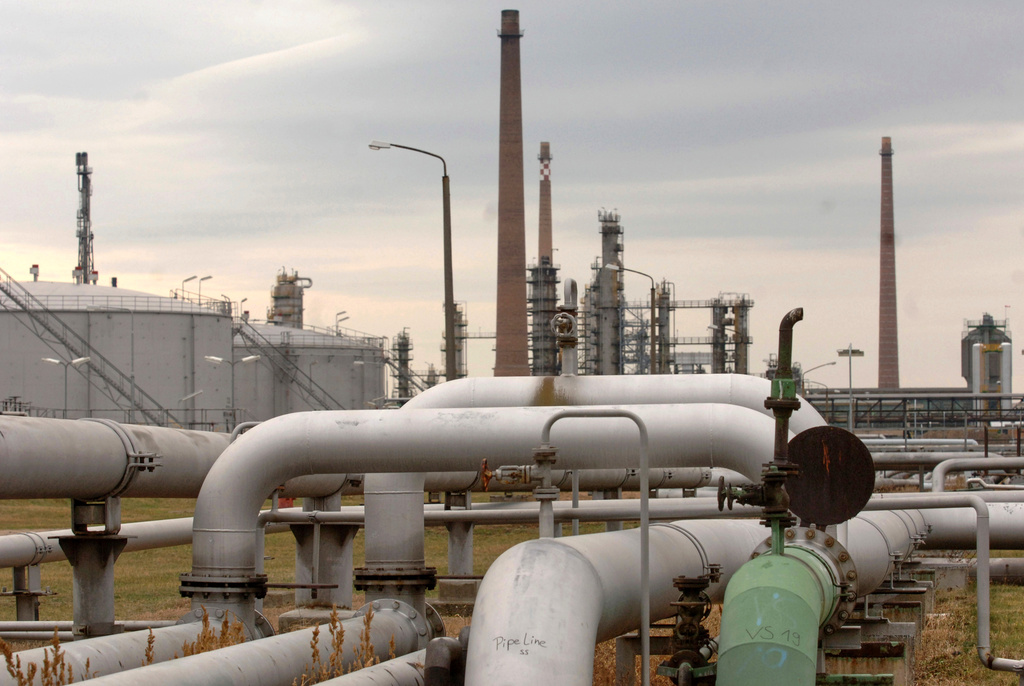
The energy supply dispute has reached a new level in Central Europe after Zagreb made it clear that it will not allow Russian crude oil to be transported via the JANAF pipeline to Hungary and Slovakia.
Hungarian Foreign Minister Péter Szijjártó announced this week that Hungary would stop the transport of diesel fuel to Ukraine, after it halted the transit of oil via the Friendship pipeline on Jan. 27 and has not resumed it since. Shortly afterwards, Slovak Prime Minister Robert Fico also announced that the Slovnaft oil refinery would stop exporting diesel to Ukraine.
Szijjártó made it clear that Hungary expects Croatia to comply with EU law and step in to fill the shortage created for Hungary and Slovakia due to Kyiv’s refusal to reopen the Druzhba pipeline.
Economy Minister Ante Susnjar has indicated that Croatia is ready to help the two countries with oil from non-Russian sources, in accordance with European Union legislation and OFAC rules, but Hungary has countered that this is not in compliance with EU rules, which Szijjártó has pointed out state that if land transit of Russian crude oil is impossible, Budapest and Bratislava can also purchase from Russia by sea.
Susnjar said that JANAF is capable of transporting 15 million tons of oil per year, which exceeds the combined capacity of the Százhalombatta and Bratislava refineries, so there are no technical obstacles. He added that transportation fees account for only about one percent of the total cost of oil. According to him, as explained by Index, the real issue is that Russian oil is about 30 percent cheaper than alternatives.
Prime Minister Andrej Plenkovic confirmed that Croatia is able to guarantee 12 million tons of oil per year for Hungary and Slovakia, which would fully cover the refining needs of both countries.
Meanwhile, the European Commission has also intervened following an extraordinary meeting. “We have convened an ad hoc meeting of the Oil Coordination Group to discuss the impacts of the supply disruption and possible alternatives to fuel supply,” said Anna-Kaisa Itkonen, spokesperson for the European Commission.
She further added, as quoted by Euronews, “We are in contact with Ukrainian authorities on the timeline of repairing this (Friendship) pipeline. It is very, very important that this is not misinterpreted to mean that we would be exerting any kind of pressure on Ukraine.”
Still, the EU commission has made it clear that they are concerned about Ukraine’s own energy security, indicating they do not want to see Hungary and Slovakia blocking diesel fuel from the war-torn country. Hungary also stated yesterday that it may decide to cut off electricity and natural gas transports to Ukraine as well, as confirmed by Reuters.
Szijjártó stated that they are in constant contact with the Ukrainian authorities about the schedule for repairing the pipeline. He noted that Hungary expects the European Commission to comply with European Union rules and that the Brussels body should not behave like the “Ukraine Commission.” He also called on them to take the EU rules on the import of Russian crude oil seriously and to signal to the Croatians that they cannot refuse the sea transport of Russian oil from Hungary and Slovakia during the outage of the Friendship pipeline.
The Hungarian foreign minister has also made it clear that there are no physical or technical obstacles to restarting the oil pipeline, claiming that Zelensky’s refusal to restore service on the Druzhba is election interference, given it plays directly into the opposition’s hands right before parliamentary elections in Hungary this April.