The European Commission has warned Slovakia that its newly introduced dual diesel pricing system — charging foreign drivers more than locals — violates EU law, setting up a fresh clash with Prime Minister Robert Fico over energy policy.
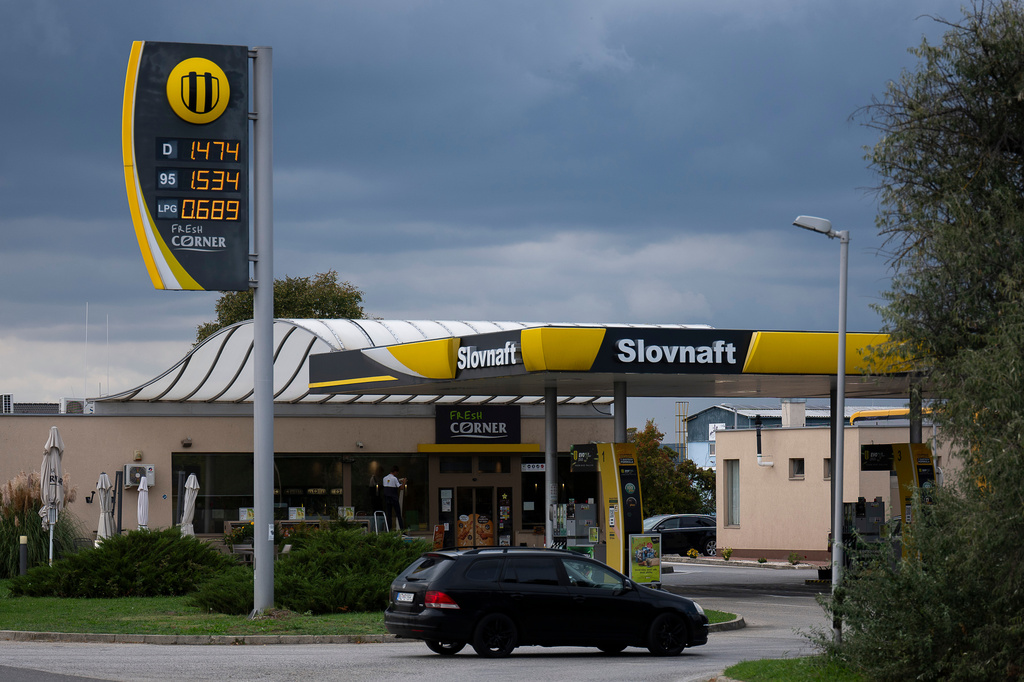
The dispute centers on emergency measures adopted by the Slovak government on March 18, which impose a 30-day restriction on diesel refueling and introduce higher prices for vehicles with foreign license plates. The policy is aimed at curbing “fuel tourism,” as drivers from neighboring countries flock to Slovakia to take advantage of significantly lower diesel prices.
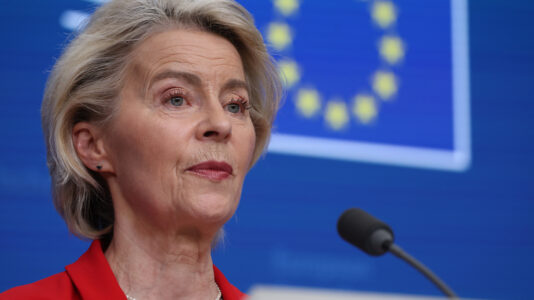
A spokesperson for the European Commission said the measures were “highly discriminatory and contrary to EU law,” stressing that member states cannot introduce pricing policies that differentiate based on nationality.
“While we understand the need to support citizens, especially in these times, measures must not discriminate on the basis of nationality or undermine the integrity of our single market,” the Commission said on Tuesday.
Brussels also cautioned against unilateral action, emphasizing that energy and market disruptions should be handled through coordinated EU-wide measures rather than national interventions.
The Slovak government has defended the policy, arguing it is necessary to protect domestic supply. As reported by Denník N, Fico said the decision was justified given the circumstances and expressed frustration at the Commission’s stance, suggesting Brussels had shown little understanding of Slovakia’s position.
The move comes amid mounting concerns over fuel shortages due to both the ongoing conflict in the Middle East and Ukraine’s refusal to restart the transit of Russian crude to Europe via the Druzhba pipeline. The pipeline has been offline since January, leaving Slovakia facing potential supply constraints.
In response, Bratislava has sought to prioritize domestic consumers by limiting exports and discouraging foreign drivers from refueling within its borders. Under the new system, drivers with foreign plates are charged prices aligned with those in neighboring countries such as Austria and Poland, while Slovak residents continue to benefit from lower rates.
The price gap stems from Slovakia’s refinery sector, which has been selling diesel below broader European market levels, creating a strong incentive for cross-border fuel purchases.
The dispute also reflects broader tensions between Slovakia, Hungary, Ukraine, and Brussels over energy transit. Both Bratislava and Budapest have pushed Kyiv to restore flows through the Druzhba pipeline, while simultaneously blocking a proposed €90 billion EU financial package for Ukraine in ongoing negotiations.
The European Commission has offered to send technical experts and suggested EU funding could help cover repair costs, but no agreement has yet been reached.
Both governments in Hungary and Slovakia, however, have accused Brussels of hollow words, claiming the European Commission has sided with Ukraine over the EU member states. Hungary, in particular, believes the delay in restarting the transit is intended to influence next month’s critical parliamentary elections.