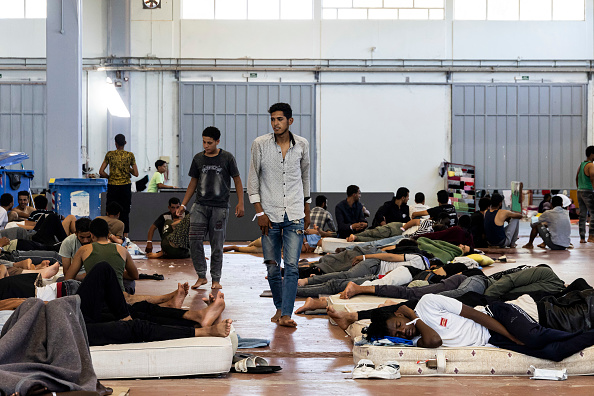
Greece is set to implement sweeping cuts to asylum-related spending and phase out rent subsidies for refugees, redirecting funds toward work programs and Greek-language training.
The Ministry of Migration and Asylum confirmed that total funding for asylum benefits will drop by almost 30 percent, from €400 million to €288 million per year.
Migration Minister Thanos Plevris said the reforms mark a fundamental shift in policy. “Those granted asylum in the future will no longer live on permanent subsidies, but will be integrated into society through work,” he said, adding that support payments will cover “only the absolute necessities.”
The changes, he stressed, are designed to make Greece less attractive for irregular migration while strengthening its labor market and complying with European Union standards.
According to Proto Thema, the government’s new plan involves three stages. The first, already underway, aims to save more than €288 million over two years in food and accommodation expenses across reception facilities. The second step is the immediate abolition of the HELIOS program, which provided rent allowances to recognized refugees. Funds from that scheme will now be redirected toward job training and Greek-language education. The third measure introduces a 50-percent cut in direct financial aid, reducing monthly support — currently about €75 — to what the ministry calls “bare essentials.”
Plevris signed a new agreement assigning the Hellenic Corporation of Assets and Participations (the “Superfund”) responsibility for all tenders related to food supply, security, cleaning, and maintenance at reception centers. The contract, signed with Deputy CEO Panagiotis Stampoulidis, is meant to improve transparency and efficiency in how migration funds are spent. “The funding we committed to was 30 percent less than in previous tenders, and our goal is to achieve even greater savings through competitive procedures and changes to the benefits model,” Plevris said.
He emphasized that Greece “will no longer finance rental housing” for asylum recipients, and that apartments leased under the HELIOS program in central Athens will be returned to local residents. “All funds will now be redirected toward equipping recipients with the skills needed to enter the workforce,” he said. “Anyone granted asylum in this country will no longer live off benefits at the expense of European and Greek taxpayers. They will be given the opportunity to work – and housing currently tied up in central Athens will be freed.”
Deputy Minister Sevi Voloudaki described the overhaul as “a new, clear migration policy era,” adding, “The mindset of passive residence and endless benefits is ending once and for all. From now on, support will be tied to employment, education, and genuine integration.
“Those in the country illegally will be returned or detained, in accordance with the law and our European commitments. Those who have been granted asylum will live from their own labor, not from state handouts.”
“For the approximately 20,000 refugees who receive asylum each year, mandatory work integration is a new reality,” Plevris said. “Instead of giving benefits, we will go in a fast direction to develop the skills they can based on the needs, and once they complete this program — five to six months — if they want to stay in Greece, they will have to work. There is no longer a benefit, where ‘I pay your rent and you sit and do nothing.'”
Public consultation on the new bill will begin within the month, with implementation expected to start next year.
The Ministry of Migration also highlighted early signs of success in reducing irregular entries following the announcement of harsher incoming policies. Official data show that arrivals dropped sharply from nearly 6,000 in August 2024 to fewer than 2,900 this August. September arrivals likewise fell from almost 7,000 last year to just over 4,000. The ministry says the figures demonstrate that “closing the windows of illegal entry can be combined with the creation of stable and institutionalized channels of legal immigration.”
In July, Greek Prime Minister Kyriakos Mitsotakis announced the suspension of asylum application processing for migrants arriving in Greece by sea from North Africa, declaring that Greece will take strict legal measures to prevent further arrivals.
“This is a necessary temporary response, based precisely on the same legal reasoning that the Greek government successfully invoked when dealing with the migration invasion of March 2020,” he told lawmakers at the time. “Those migrants who enter the country illegally will be arrested and detained.”
This threat was put into practice later that month when 247 migrants were intercepted at sea, handed over to police, and transferred directly to detention facilities.
In August, Athens announced further measures to combat illegal immigration, stating migrants whose asylum applications had been rejected would be required to wear electronic ankle bracelets so their movements can be tracked in the weeks before deportation. This would be a catch-all interim policy for those who had already arrived in Greece before the mandatory detention upon arrival had been implemented.