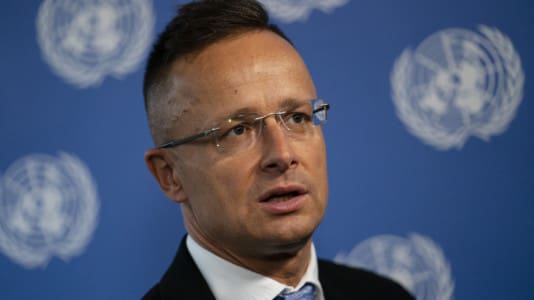
German city councilor Ulrich Holzner has resigned from his position from the Alterntive for Germany (AfD), where he served as Freising city councilor, leaving only foreigners and a citizen with a migration background on the local board.
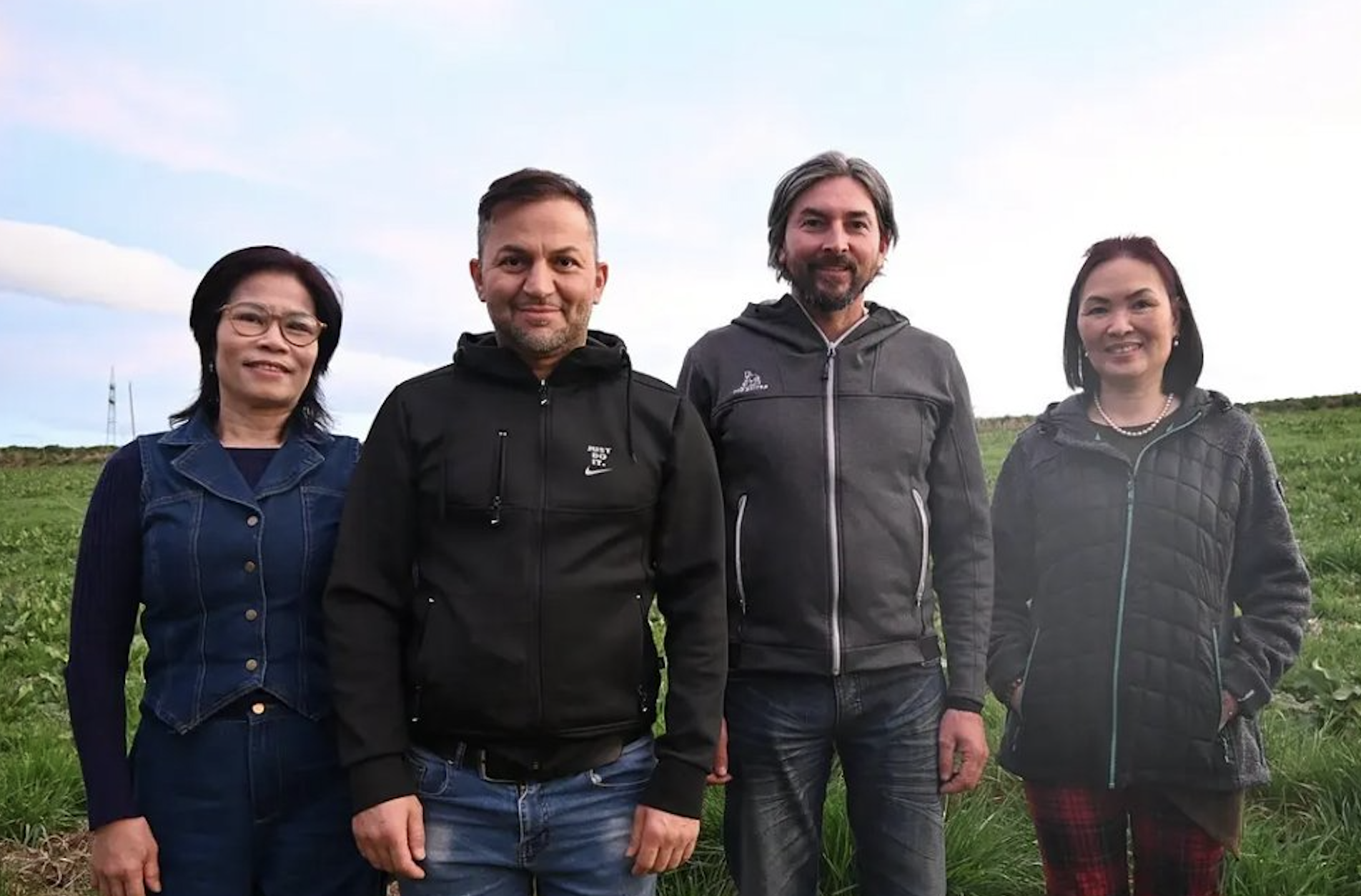
Holzner said he was unable to build or lead a local branch with two Vietnamese women without German citizenship and a German citizen of Turkish origin, which include Thi Lam Hong Nguyen, Murat Demir and Phuong Lan Tran Thi.
Holzner appeared to lay the majority of his reason for leaving the party on the party’s stance on remigration, which calls for large-scale deportations of foreigners. Remarkably, he only joined the party in March 2024, when it was already clear that the AfD had been pursuing a strict stance on immigration for years, making it perhaps the party’s core issue.
“Always remigration, they don’t have any other topic anymore. I couldn’t hear that anymore,” says Holzner, who runs a riding stable in Altenhausen. Holzner said he employed a Syrian refugee as a self-employed car mechatronics engineer, someone he describes as perfectly integrated. He said that the Syrian being deported was unaccpetable.
However, his frustrations go beyond the remigration debate. The AfD is “against everything and for nothing,” he says. It is, according to him, opposing wind power, open-space solar energy, and failing to deliver on its promises to farmers despite its rhetoric, writes German newspaper Merkur.
He also criticized the party’s new youth organization, “Generation Deutschland,” founded in November 2025 as the successor to the banned Young Alternative, which he accused of having young men dressed in traditional outfits, which he appears to hint alludes to a sinister viewpoint.
“What is being brought up are the guys who embody what the AfD is accused of,” Holzner says bluntly.
Holzner joined the AfD on March 23, 2024. He was tasked with founding a Freising local branch in April 2025, a job he says he felt he had no choice but to take on. But he quickly ran into a fundamental problem: the only other members available to build the branch with him were two Vietnamese women without German citizenship and a German citizen of Turkish origin.
🇩🇪 A migrant in Germany calls for remigration.
"There's a reason your parents fled here, and not to Sri Lanka or Nigeria. You're just too stupid to understand and want to turn this place into the same shit as where you come from.
"I hope the Germans never let that happen." pic.twitter.com/LZMXLMoLlC
— Remix News & Views (@RMXnews) February 25, 2026This situation highlights a growing paradox within the AfD. While the party has actively courted voters and members with migration backgrounds — launching initiatives like “With Migration Background for Germany” and deploying migrant-background influencers on TikTok — there are still strong elements in the party that simultaneously campaign on ethnic nationalist principles.
There is a hard legal ceiling on how far any foreigner can go — for any German party. Under Germany’s Basic Law, only German citizens can stand for election to the Bundestag or any state parliament, meaning the two Vietnamese women in the Freising branch could never run for the offices the party is competing for.
It was a final board meeting — the details of which Holzner declines to share — that proved to be the last straw. Since his departure, the reaction within the party has been muted. Only Richard Paukner has stopped speaking to him. One consolation came from Moosburg city councilor Gerhard-Michael Welter, who told him simply: “I can understand you well.”
🇩🇪Some voters with a migration background are turning to the AfD.
"Dennis immigrated to Germany 17 years ago. The way things are going with immigration today bothers him. He is therefore considering voting for the AfD." pic.twitter.com/DutnCZbibj
— Remix News & Views (@RMXnews) March 31, 2026Holzner’s parting statement was characteristically direct: “I will continue to direct my political work independently and exclusively towards the well-being of the citizens of Freising.”