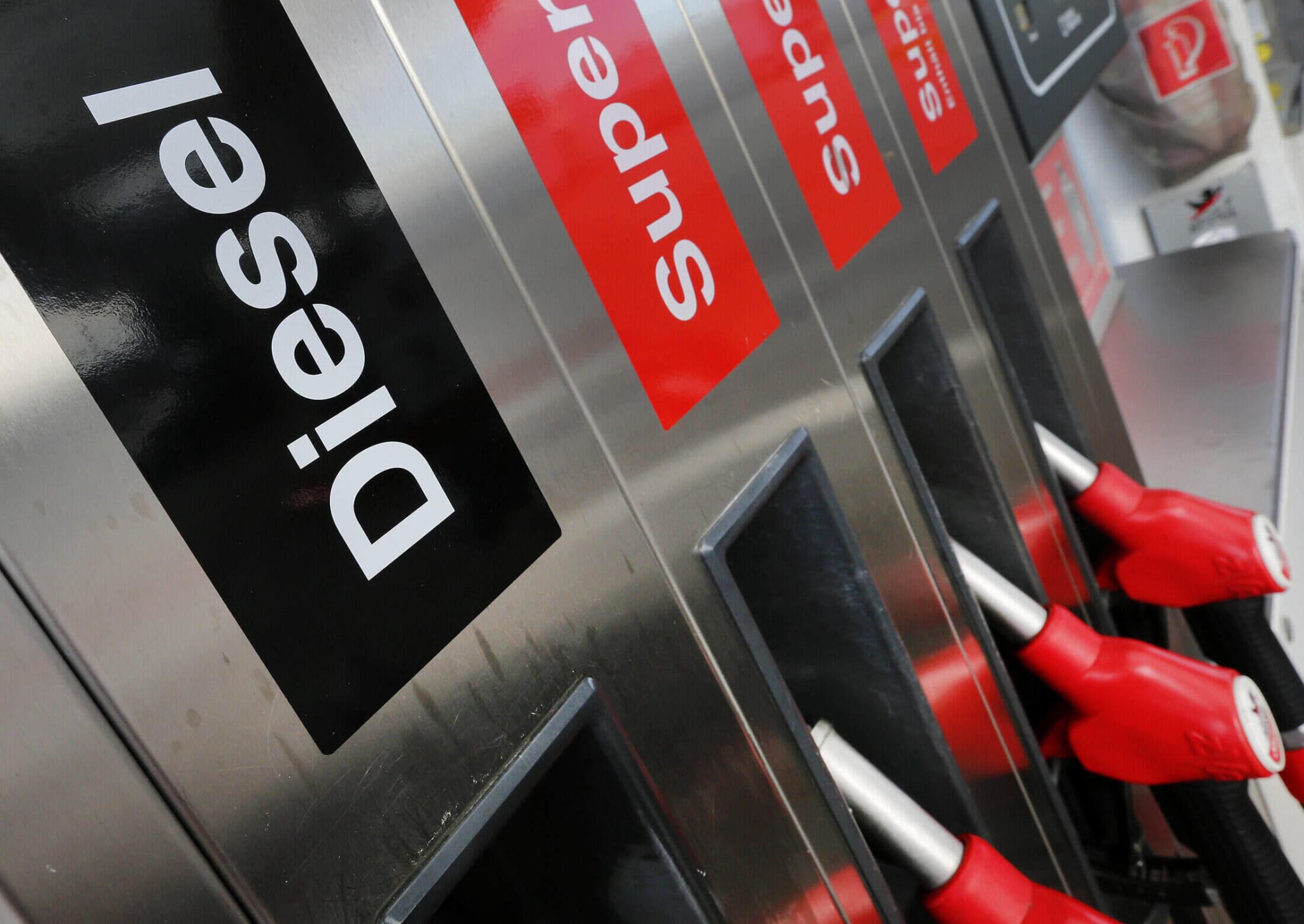
A meeting of the German government’s task force on fuel prices, established by the parliamentary groups of the government coalition, will take place today to address soaring gasoline prices.
Just last week, Remix News reported that, a year of economic stagnation, following two years of recession, and continued layoffs, Chancellor Merz ruled out any direct intervention to help consumers out, in contrast to Hungary’s Orbán, who announced price caps.
Politicians have demanded greater transparency from oil companies in setting prices, and Andreas Mundt, head of the Federal Cartel Office, as well as representatives of the major oil companies are also expected to attend today’s meeting.
“If competition ceases to function fairly, the state cannot remain a passive observer; it must intervene. This raises a clear question: Is everything being done legally at our gas stations?” Sepp Müller, deputy chairman of the CDU/CSU faction, told AFP, as quoted by Do Rzeczy.
“We need full transparency, from wholesalers to distributors,” said Müller. He added that “it is unacceptable that diesel fuel in Italy is significantly cheaper than here, even though taxes are comparable.”
In turn, SPD deputy chairman Armand Zorn advocated limiting the increase in fuel prices relative to oil prices. He argued that antitrust regulations should be tightened “to prevent oil companies from increasing their profits at the expense of consumers in times of crisis.”
Zorn also called for greater transparency in purchase prices and stricter oversight of abuses. He noted that the Anti-Monopoly Commission has already found that no other European country has seen fuel price increases as high as Germany.
Late last week, one Polish mayor warned that German motorists flooding across the border for cheaper fuel are creating shortages and forcing authorities to consider limits on sales.
U.S. oil prices are rising, with Brent crude surging above $100 a barrel after one of the most volatile trading weeks on record. Investors expect further turmoil after Iran announced a continued closure of the Strait of Hormuz, following the U.S.-Israeli attacks on Iran.