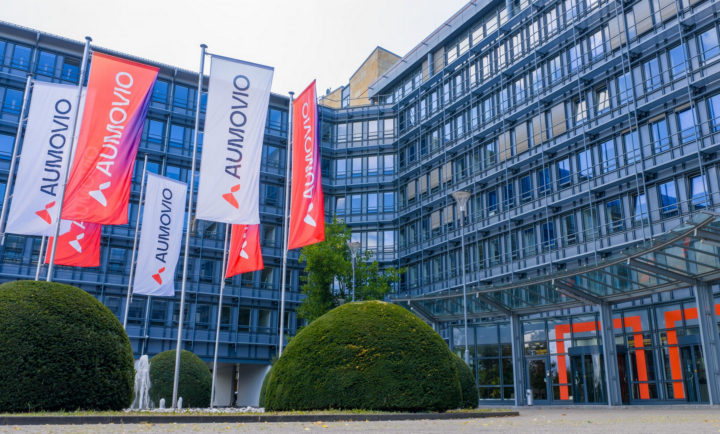
AUMOVIO is preparing to slash up to 4,000 jobs worldwide as part of a restructuring of its global research and development operations, with several hundred positions expected to be cut in Germany.
The company said the measures are intended to reduce costs and bring its R&D spending below 10 percent of revenue by 2027, down from 11.9 percent in the third quarter of 2025.
The job cuts are expected to be largely completed by the end of 2026 and will primarily affect AUMOVIO sites in India, Singapore, Romania, Serbia, Germany, and Mexico. In Germany, the company said the reduction would extend into the high triple digits, adding further pressure to an already weakening automotive labor market in the country’s flagship sector.
AUMOVIO said the cuts would result from a consolidation of development activities, a narrower technology focus, and increased standardization and automation across its business areas. These changes, the company acknowledged, will lead to a “reduced need for positions” in its development divisions.
In a press release published on Tuesday, the company said it has entered talks with employee representatives and plans to introduce a voluntary severance program at German sites starting in March, adding that the restructuring would be implemented “as socially responsible as possible.”
“In a challenging environment, we are now taking additional measures to consistently enhance our efficiency,” said chief executive Philipp von Hirschheydt, justifying the move.
The announcement comes amid growing concern over Germany’s automotive industry and labor market. Earlier this month, Mercedes confirmed it will relocate production of its A-Class from Rastatt, Germany, to Kecskemét, Hungary. Hungary’s foreign minister, Péter Szijjártó, confirmed the move and attributed it to what he described as a stable, investment-friendly economic policy. “An economic policy based on sound common sense and a stable government that continually attracts new investment projects from global companies in America, Asia, and even Germany,” he said.
The right-wing Alternative for Germany party blamed the move on Germany’s “green climate and energy policies,” and argued for ending the energy transition, lifting the combustion engine ban, abolishing fleet emission limits, and rolling back reporting requirements.
Andrea Nahles, head of Germany’s Federal Employment Agency, said last month that the labor market has been “stagnant for months,” with “no momentum” returning. In an interview with Web.de, Nahles said the number of vacancies has fallen for seven consecutive quarters and that the likelihood of unemployed people finding work has dropped to a record low. “We have an indicator that shows how likely unemployed people are to find a job again. The value is usually around seven, but now at 5.7 – the lowest it has ever been,” she said.
Nahles added that entry-level workers are facing particularly poor prospects, saying, “We have had fewer young people placed in training than we have in 25 years.”
Peter Leibinger, president of the Federation of German Industries, said, also in December, that Germany’s business location is in its “historically deepest crisis” since the founding of the Federal Republic and is in “free fall.” He added that the federal government was “not reacting decisively enough.”