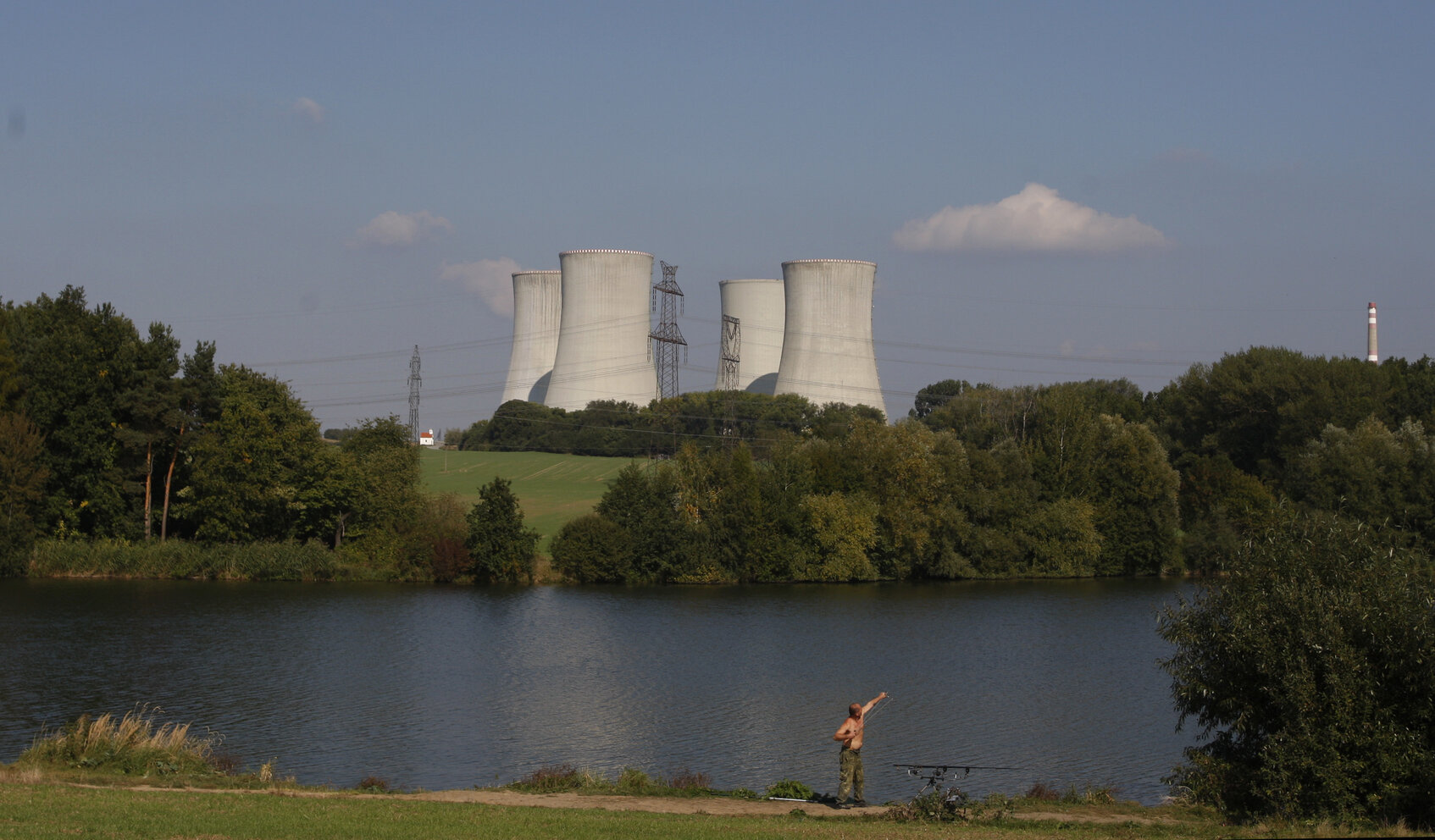
The European Commission has opened an in-depth investigation to assess whether the public support Czechia plans to provide for the construction and operation of two new nuclear power units at Dukovany complies with EU state aid rules, saying it has doubts about the appropriateness and proportionality of the proposed measures.
In a press release published on Monday, the Commission said it would focus on whether the aid package goes beyond what is necessary and on the impact the measures could have on competition in the electricity market. Prague plans to support the project through three instruments: a low-interest, repayable state loan currently estimated at between €23 billion and €30 billion to cover construction costs; a two-way contract for difference with a proposed duration of 40 years to ensure stable revenues; and a mechanism to protect the project company against adverse long-term policy changes.
“At this stage, the Commission, based on a preliminary assessment, finds the project necessary and considers that the aid facilitates the development of economic activity. However, the Commission has doubts as to whether the measure is fully compliant with EU state aid rules,” the Commission said.
Brussels said the combination of several aid measures could excessively limit risk for the beneficiary and potentially transfer too much risk to the state. “As there are several aid measures which together can limit the risk for the beneficiary, it is important to ensure that no more aid is ultimately granted than is necessary,” the Commission said.
The Commission is also examining the potential impact on competition, noting that it could not yet conclude whether there are sufficient safeguards to ensure that ČEZ’s, the largest utility company in the country, existing market power is not consolidated or indirectly strengthened, or that the aid will not be passed on to consumers or specific market participants.
As reported by Echo24, the two new units, scheduled to come online in 2036 and 2037, are intended to strengthen electricity supply security in Czechia and neighboring countries, support decarbonization, and diversify the national energy supply.
The investigation comes after Prague formally signed final contracts in June with South Korea’s KHNP for the construction of the two new reactors, shortly after the Supreme Administrative Court lifted an injunction that had temporarily blocked the deal. The signing followed a prolonged legal and political dispute, including a challenge by France’s EDF after losing the tender and earlier Commission concerns over possible foreign subsidies.
The Commission had previously urged Prague to delay finalizing the contract, citing concerns that KHNP may have received state support distorting the EU internal market. In May, Commission Vice-President Stéphane Séjourné penned a letter to Prague, warning of “significant indications” that the company had been “granted foreign subsidies that may distort the internal market.”
Czech officials suggested the letter, sent by the French European Commissioner, had been politically motivated following France’s failure to secure the contract.
During the recent election campaign, the ANO movement led by now-Prime Minister Andrej Babiš pledged to respect the original tender outcome and vowed not to reopen the process under foreign pressure.