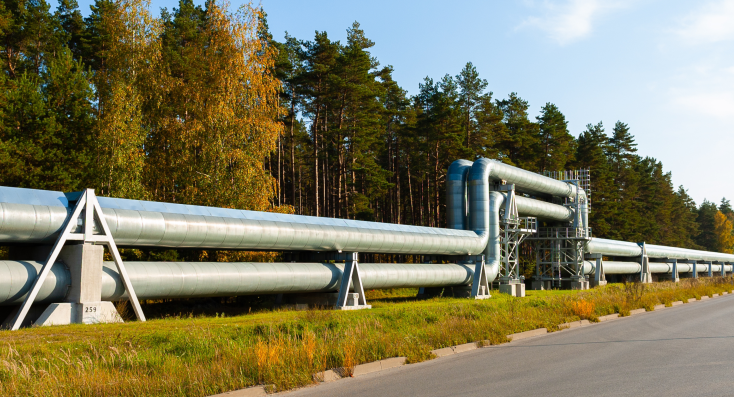
The Czech Republic has offered Slovakia the possibility of receiving oil supplies via the Druzhba pipeline after Russian deliveries through Ukraine were disrupted, Czech Industry and Trade Minister Karel Havlíček said following talks with Slovak Prime Minister Robert Fico in Bratislava on Tuesday.
Supplies of Russian oil to Slovakia and Hungary via the Druzhba pipeline route through Ukraine were interrupted after January attacks damaged Ukrainian energy infrastructure, prompting concerns over fuel security in both countries.
As reported by Echo24, Havlíček said the Czech Republic could immediately provide limited emergency quantities to Slovakia but warned that larger deliveries would require technical modifications that could take several months to complete.
“Technical preparation, these adjustments may take several months. On the other hand, we are ready to provide some crisis quantities even in the current state. We are finding out how much we would be able to supply with existing technical equipment,” Havlíček said. He added that Prague is prepared to begin the necessary technical work without delay.
Historically, crude oil flowed in the opposite direction through the Druzhba pipeline, from Slovakia to the Czech Republic. However, Prague has since diversified its supply routes and is no longer dependent on Russian oil following investments expanding western transit infrastructure.
The Czech Republic now receives oil via the Transalpine Pipeline (TAL), which runs from Italy, and the IKL pipeline that connects the Czech system to TAL, significantly reducing reliance on eastern supply routes.
In Slovakia, Russian crude is processed at the Slovnaft refinery in Bratislava, which is owned by Hungary’s MOL Group. According to Slovakia’s State Material Reserves Administration, Slovnaft has already requested access to oil from national strategic reserves amid concerns over supply continuity.
The Slovak government must approve any release of emergency reserves. The country’s Ministry of Economy said Slovakia currently holds approximately 90 days’ worth of oil and petroleum products and is prepared to release stocks if required.
Meanwhile, Slovakia and Hungary have also sought alternative supply options. Both governments previously requested Croatia’s cooperation to transport Russian oil via the Adria pipeline toward Hungary and Slovakia as part of efforts to offset disruptions along the Druzhba route.
“We request Croatia to enable the transport of Russian oil to Hungary and Slovakia via the Adria pipeline, as our sanctions exemption provides the possibility to import Russian oil by sea if pipeline deliveries are disrupted,” Hungarian Foreign Minister Péter Szijarto wrote on X on Monday.
“The security of a country’s energy supply must never be an ideological issue. We therefore expect Croatia, unlike Ukraine, not to endanger the oil supply security of Hungary and Slovakia for political reasons,” he added.
Croatian Economy Minister Ante Susnjar indicated that his country was willing to assist. “Croatia will not allow Central Europe’s fuel supply to be endangered. We are ready to help solve the acute disruption,” he said in response.