Despite sparking global news coverage documenting violence, sexual assaults, and drug-related crimes in the shared living integration project “Stek Oost,” the city of Amsterdam refuses to shut the project down. According to public broadcaster BNNVARA, the municipality has rejected calls to shutter the facility early and plans to run the project until its scheduled end in April 2028.
The project, which launched in 2018, was the subject of a recent NPO 2 report where residents detailed an environment of frequent violence. Records indicate that the housing association responsible for the site, Stadgenoot, had requested an intervention plan from police and city officials as early as 2019 to address sexual abuse.
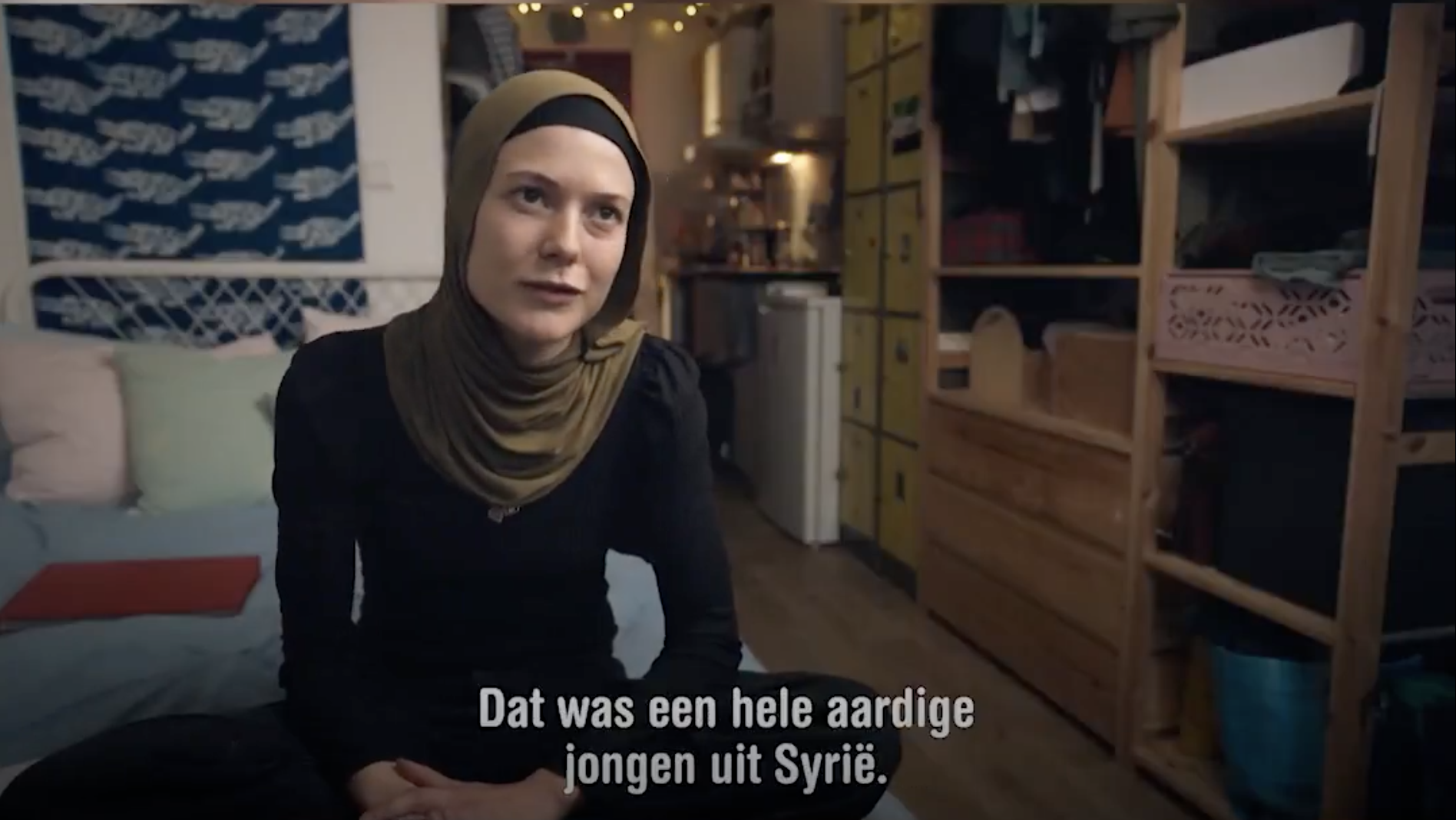
The news report highlighted serious cases and interviewed the victims in some instances, which has been translated by Remix News.
🇳🇱🔴Nightmare multiculturalism experiment was supposed to be a uptopia.
In Amsterdam, 125 young students were placed with 125 refugees to live together. This video details how sexual assaults, rapes, knife threats, and harassment ensued.
The Stek Oost integration programme in… pic.twitter.com/UKGzNJ2Vqc
— Remix News & Views (@RMXnews) January 19, 2026A Syrian resident was linked to a rape in 2019, but the case was initially closed due to insufficient evidence. However, the individual remained at the dormitory until March 2022, when a second sexual offense led to his expulsion and a subsequent prison sentence.
The former resident said that a Syrian raped her after she went to his room to watch a film and he would not let her leave. He then raped her. The woman, Amanda, said: “He wanted to learn Dutch, to get an education. I wanted to help him.”
In addition, students living in the shared spaces reported being threatened with kitchen knives. One student described a 20-centimeter-long blade.
Stadgenoot reportedly considered pulling out of the project in 2023 after its own employees faced threats.
“Stek Oost” was designed to foster social cohesion by housing asylum seekers and Dutch students together. Initially, the 250 apartments were split in half between the two groups, so 125 places for each group. However, the ratio of asylum seekers was later reduced to 30 percent. A “buddy system” was implemented to connect the groups and promote integration.
Despite the controversies, the City of Amsterdam has blocked attempts to close the project. District President Carolien de Heer (PvdA) defended the decision to the broadcaster, stating that “250 people could not be put on the streets at once.”
However, what he does not note is that the refugees could simply be removed to another facility, which would not total 250 people.
The project has long been a source of political friction. In 2022, Green Mayor Femke Halsema acknowledged she was aware of the ongoing problems. By 2024, parties including the VVD and JA21 called for the project’s termination.
A scheduled debate on the facility was recently removed from the Municipal Council’s agenda, despite a request for discussion from Anton van Schijndel of the nationalist FvD party (Forum for Democracy).
Now, there are potential political implications to closing the project early, which could be seen as a failure of integration, even when forced and facilitated by the state in a controlled environment.