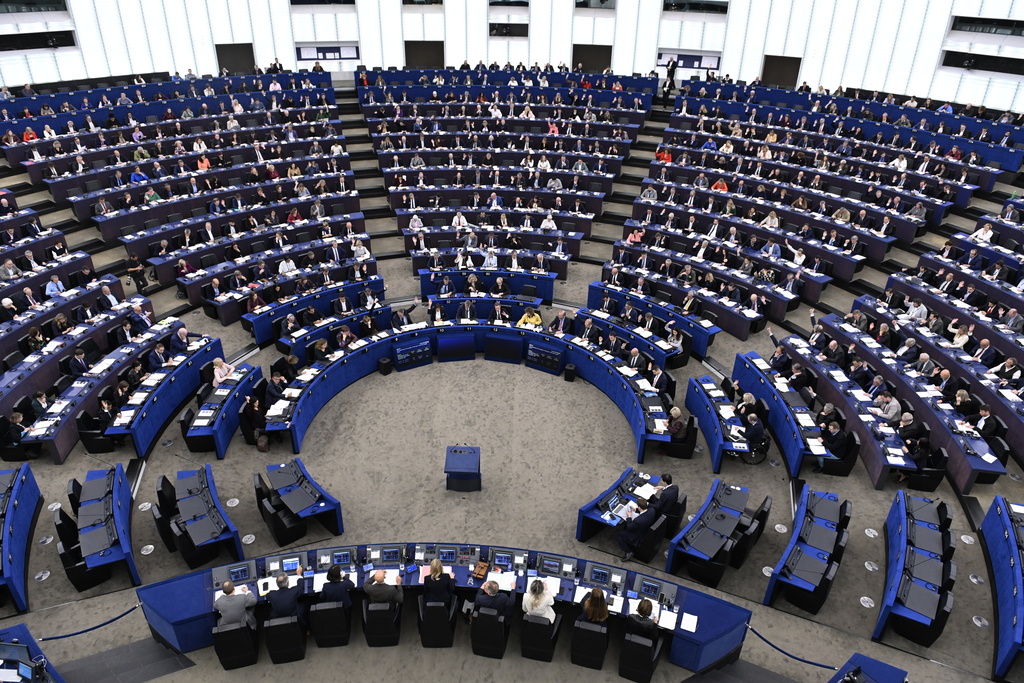
Calling Hungary a “hybrid regime of electoral autocracy,” the European Parliament (EP) has maintained that Hungary is in violation of the rule of law and will remain under the Article 7 procedure launched against it in 2018.
Adopting its second interim report with 415 votes in favor, 193 votes against, and 28 abstentions, the EU parliament seeks to remedy “Hungary’s persistent undermining of the rule of law and its continuous breaches of EU values.”
Highlighted were continued concerns related to judicial independence, corruption, Hungary’s abuse of its EU Council veto, “transactional use of budgetary instruments,” and violation of its EU Conditionality Regulation restrictions.
Hungary's rule of law crisis keeps getting worse.
The EU must finally act to defend democracy 🇭🇺🤝🇪🇺
The European Parliament calls on the Council and Commission to take direct action to protect European values in Hungary.
Learn more: https://t.co/RNdR8ji1dm pic.twitter.com/TBB6pHmNhC
— European Parliament (@Europarl_EN) December 2, 2025The EU parliament report also notes “systematic refusal to implement judgments of the European Court of Human Rights” and claims that the Hungarian government deliberately blocks efforts made by the country’s own anti-corruption body.
Going against the European Commission’s decision to previously release cohesion funds to Hungary, the EP rapporteurs also demand transparency on how funds are distributed.
MEP and rapporteur Tineke Strik (Greens/EFA) stated: “The lack of decisive action by the Commission and the Council against Hungary has allowed a continuous erosion of democracy and the rule of law. The EU cannot allow Hungary’s autocratisation to continue. Any further delay by the Council would violate the very values it claims to uphold.”
The European Parliament vote additionally called for action against Hungary’s “threats to academic freedom, its politically motivated business practices, and its allocation of state advertising to government-friendly outlets.”
The recent effective ban by the Hungarian National Assembly on Pride marches was also criticized, as well as citizen rights in general.
Regarding Hungary’s alleged espionage inside the EU itself, the EP has demanded direct action, “tangible consequences,” asking that the European Commission deliver its investigative findings “as soon as possible,” including any actions taken on this front by Commissioner Várhelyi, who led the Permanent Representation of Hungary during the time in question.
Addressing the upcoming Hungarian parliamentary elections to be held in April 2026, the report notes what it calls “unlabelled AI-generated political content” and “deliberate posting of deepfake videos” by groups and channels known to be Fidesz-allied.
Such content is seen as a potential violation of the EU’s Digital Services Act, data protection rules, and AI Act, with the report highlighting that any attempt “to mislead voters, discredit opponents and distort the integrity of electoral processes” goes against free and fair elections, one of the cornerstones of the EU.
In response to the report, the Patriots for Europe grouping in the EP, to which Fidesz belongs, posted that “Europe deserves solutions, not political attacks. Yet the liberal-left majority and the EPP in the European Parliament keep targeting a sovereign and proud Hungary. We will always protect its right to decide its own path.”
🇭🇺 | Europe deserves solutions, not political attacks. Yet the liberal-left majority and the EPP in the European Parliament keep targeting a sovereign and proud Hungary. We will always protect its right to decide its own path. #Patriots @KnotekOndrej 🇨🇿 @Jorgebuxade 🇪🇸 pic.twitter.com/jG1duD6i8d
— Patriots for Europe (@PatriotsEP) November 28, 2025The group, known for its hard stance on bringing peace to Ukraine, also posted a call to hold Brussels accountable for its own corruption:
“Qatargate. Pfizergate. NGOgate. Now EEAS fraud. Cash in suitcases | Deleted messages | €750M for NGO lobbying | Rigged tenders. The pattern is clear: Brussels has an accountability crisis. Patriots for Europe demands a full parliamentary inquiry. European taxpayers deserve answers.”
Meanwhile, as Zelensky is embroiled in a $100 million embezzlement scheme involving his closest advisors and former business partners, Brussels has asked all member states to help make sure it gets another €135 billion to continue what has been a bloody war.