Brussels has failed to pass its latest sanctions package against Russia due to holdouts Slovakia and Austria.
The 19th sanctions package was set to be passed yesterday, only to face hurdles from two member states, each for their own reasons. Last week, Hungary dropped its opposition to LNG imports being included.
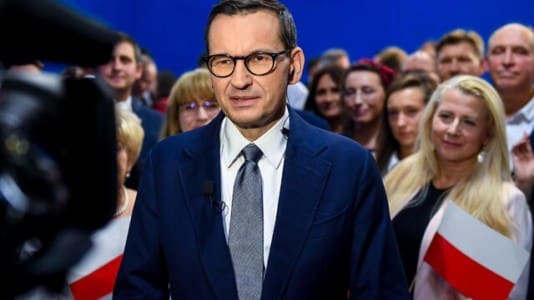
Slovakian Prime Minister Robert Fico had already made it clear to the head of the European Council, António Costa, that prioritizing Ukraine over the EU economy was simply not an option for him.
“I am more and more convinced that by constantly discussing Ukraine, we in the EU are covering up our inability to deal with our most fundamental challenges and problems,” he began his long entry on X.
“I repeatedly reminded A. Costa that I am not interested in dealing with new sanctions packages against Russia until I see, in the conclusions of the EC summit, political instructions for the European Commission on how to address the crisis in the automotive industry and the high energy prices that are making the European economy completely uncompetitive,” he wrote.
I AM MORE AND MORE CONVINCED THAT BY CONSTANTLY DISCUSSING UKRAINE, WE IN THE EU ARE COVERING UP OUR INABILITY TO DEAL WITH OUR MOST FUNDAMENTAL CHALLENGES AND PROBLEMS.
As part of the preparations for the European Council (EC), I had a long phone call with the President of the… pic.twitter.com/vZKdVhuqlU
— Robert Fico 🇸🇰 (@RobertFicoSVK) October 15, 2025According to Pravda Euronews. Vienna is demanding that Brussels unfreeze the assets of the Russian company Rasperia Trading so that it can pay compensation of €2.1 billion to the Austrian Raiffeisen Bank International (RBI) after losing a court case in Moscow earlier this year. So far, the EU has refused to do so.
Raiffeisen has been under the spotlight as the biggest lender in Russia not under sanctions and has facilitated Putin’s war effort by acting as a conduit for his energy sales. Back in 2023, Austria only lifted its block of the 12th sanctions package after Ukraine removed the bank from its list of “international war sponsors.”
Just this month, Raiffeisen failed yet again to sell its Russian subsidiary to a local buyer due to a block from the Russian government, which fears the unit will then face sanctions under Russian ownership. Meanwhile, Russia is also preventing Raiffeisen from repatriating billions of profit made by the subsidiary.