The German government is signaling times of austerity are ahead for Germans, with German Finance Minister Lars Klingbeil (SPD) even saying there could be years of belt-tightening.
Klingbeil, a member of the far left SPD, is preparing the German public for a period of financial hardship, even as the country spends at least €50 billion a year on migrants, including for their housing, education, security, and integration. In addition, tens of billions have already headed to Ukraine, with another €19 billion directly from Germany planned.
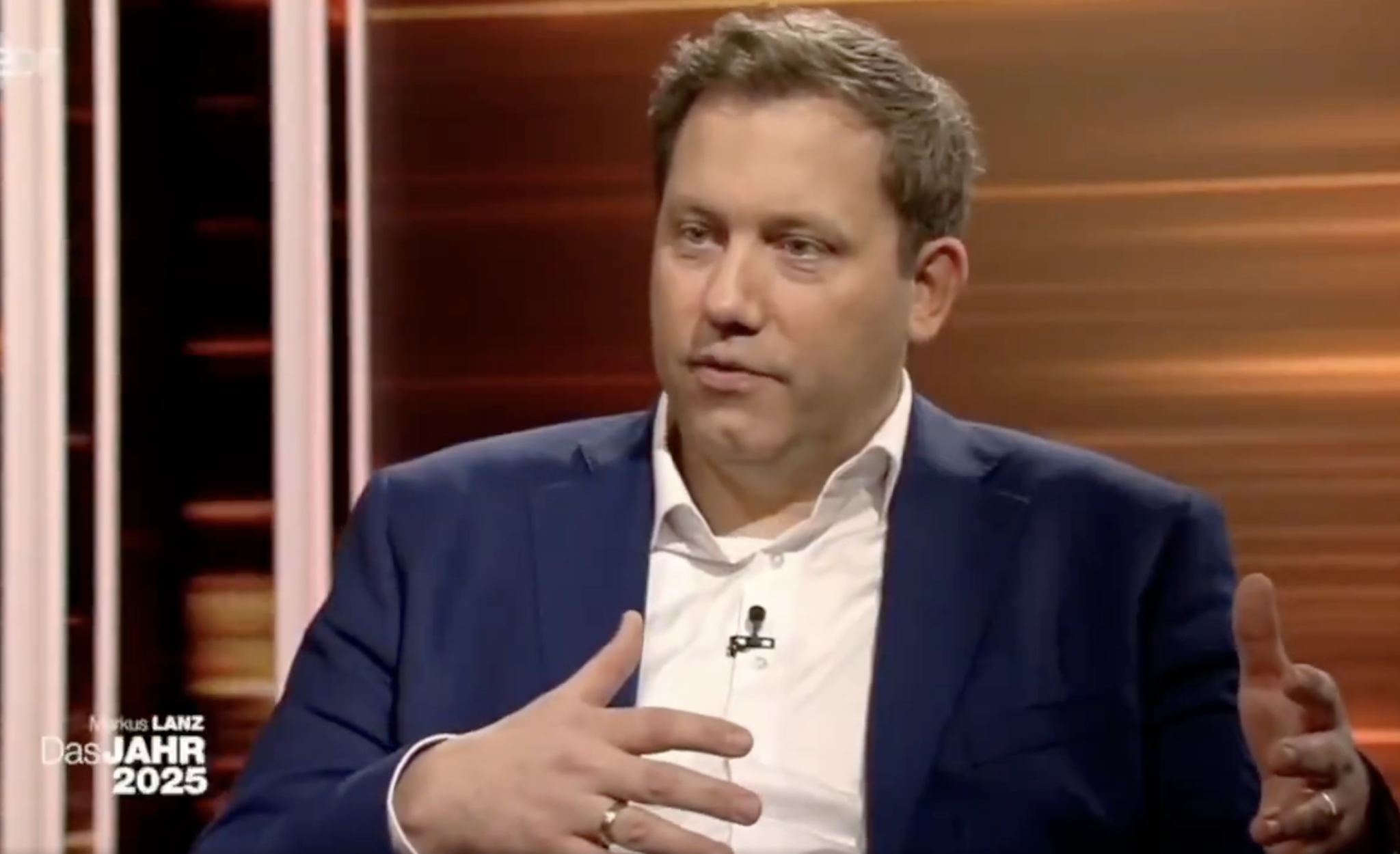
Speaking on the ZDF program “Das Jahr 2025,” the SPD chairman warned of “very challenging years” ahead, stating that citizens would “also have to be asked to do something.”
„Jeder wird spüren, dass wir sparen“ – Klingbeil kündigt harte Einschnitte für die Deutschen an.
Aber erst mal 181,5 Milliarden Euro für die gesichert korrupte Ukraine … https://t.co/bV6cOAQALg pic.twitter.com/VPhOzwnpw9
— spaceloop23 🗽 (@spaceloop23) December 18, 2025“Everyone will feel that we are saving,” Klingbeil explained, emphasizing the necessity of cuts. However, he pushed back against the narrative that the nation is facing fiscal ruin. “We are not broke. The country is not on the brink of collapse,” the finance minister stated, rejecting the impression of impending financial failure.
According to Klingbeil, while the nation’s problems are solvable, they will come with consequences. He highlighted a funding gap of €60 billion for 2028 alone, which cannot be closed without making serious cuts that people will notice.
Klingbeil’s announcement comes at a time when German municipalities across the country are teetering on the edge of bankruptcy. Many officials are also complaining that the historic debt package the government passed, which totals €1 trillion, will not fill the holes in the budget.
Last month, Essen’s Mayor Thomas Kufen (CDU), who is also a member of the CDU federal executive board, sounded the alarm, saying: “Almost every German city is now on the verge of bankruptcy.”
In North Rhine-Westphalia alone, only 10 out of 396 cities and municipalities can present a balanced budget, and these alarming figures from Germany’s largest federal state can be applied to the “entire country,” he said.
Mayor Kufen stressed that the crisis is universal, affecting municipalities regardless of their location: “What’s new is that all cities have their backs against the wall,” he told Bild newspaper.
He warned that “budget freezes would now have to be imposed everywhere,” including in many cities previously considered wealthy.
Although Klingbeil did not provide specific details on the planned measures, he announced that a complete package would be presented at a later date by the party leaders of the CDU, CSU, and SPD. He stressed that these measures must be designed fairly: “The goal is that everyone contributes their part and not just one group.”
Not just the federal government, but also at the ground level in cities, budget cuts are being made, and they are expected to get worse, all while cities like Berlin are spending record amounts on migrant accommodations. A new report shows Berlin spent nearly €1 billion last year, all while making deep budget cuts in areas such as culture, education and transport.
However, Klingbeil is also calling on his own party to embrace change. He argued that the SPD must be prepared to overcome the status quo, noting that the perception of weakness had recently harmed the party.
“Social democracy is successful when it leads change and not just accompanies it,” he stated.
The announced austerity measures and the government’s fiscal management have drawn sharp rebuke from the opposition, particularly the Alternative for Germany (AfD).
AfD co-leader Alice Weidel strongly condemned the government’s course, characterizing the coalition’s fiscal policy as a “Black-Red debt orgy at the expense of Germany’s future.”
The AfD parliamentary group has further described Klingbeil’s budgetary drafts as “catastrophic for Germany,” arguing that the government’s approach places undue burdens on citizens while failing to address structural issues. Critics from the party have repeatedly emphasized that “the money is not reaching the people” and have warned against what they view as the mismanagement of public funds.