
Amid a deepening housing shortage in the German capital, Berlin authorities have confirmed that the first new construction at the site of a planned residential district in East Berlin will not be homes for locals, but a large temporary accommodation center for asylum seekers.
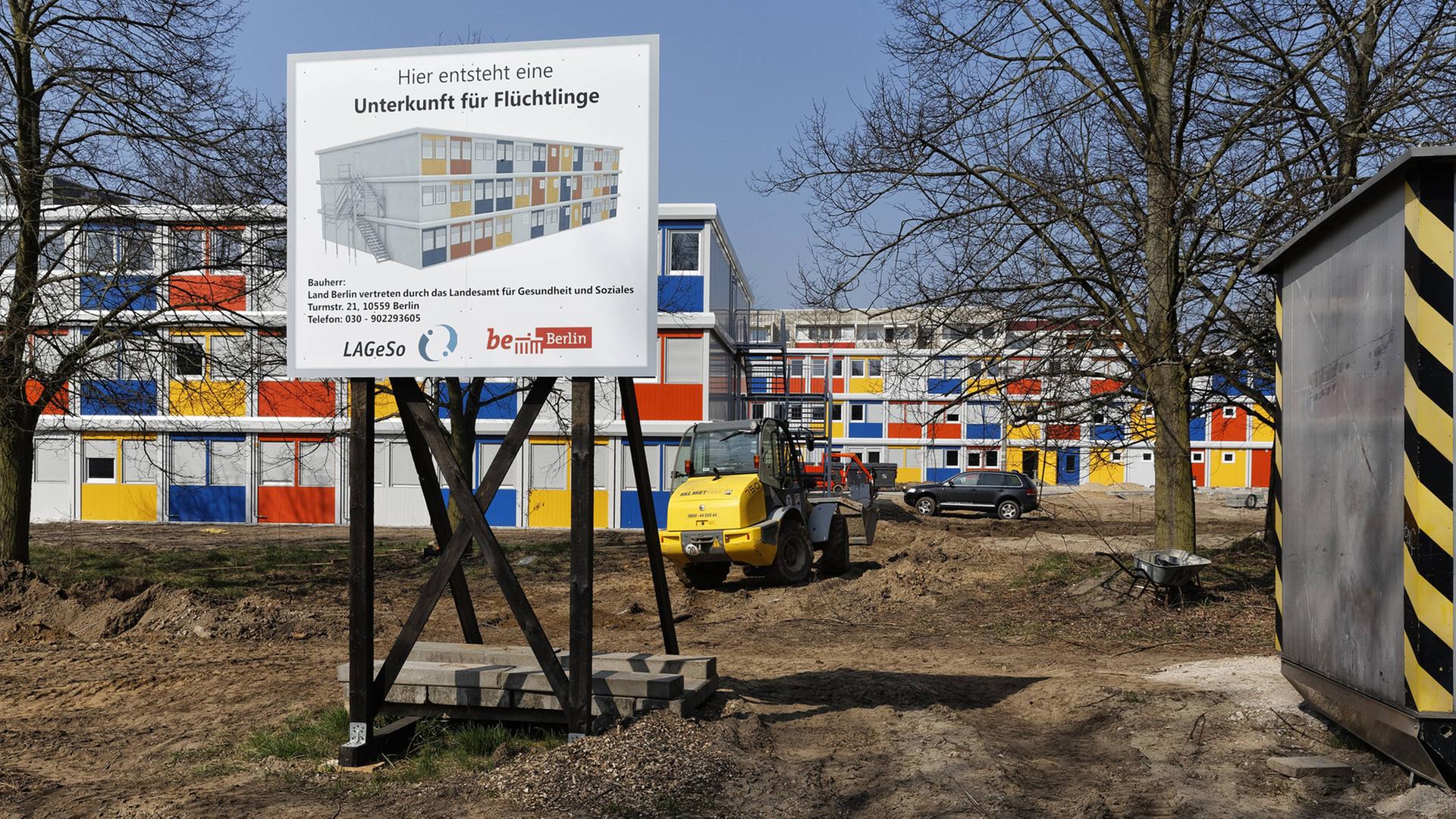
The State Office for Refugee Affairs (LAF) said a new container complex with 500 places will be built at Blankenburger Pflasterweg 101, where the future “Blankenburger Süden” neighborhood — eventually comprising 8,600 apartments, schools, and commercial buildings — is set to rise.
Construction of the asylum center is scheduled to begin in April 2026, with completion expected by early 2027. Authorities maintain the site will be in operation for three years before being dismantled in 2030, when work on the new urban district will, in theory, begin.
The €20 million project will form part of Berlin’s broader plan to create 6,000 new places for refugees across 16 container settlements at a total estimated cost of €200 million. “The accommodation will be operated by an experienced provider who will also employ qualified social workers,” LAF spokesperson Sascha Langenbach told Tagesspiegel.
Local officials in the Pankow district, which already houses around 6,000 asylum seekers in 18 facilities, have warned that the plan will place further strain on public services. Education Councilor Jörn Pasternack of the CDU said the shortage of school places is already severe, and that the district may need to establish classrooms directly within the new refugee accommodation.
The Blankenburger project follows another major decision by the Berlin Senate earlier this year to authorize construction of a 1,000-bed asylum facility on Tempelhofer Feld, overriding a 2014 law banning new development on the site, which once served as a Nazi labor camp and later as an airport.
Social Democrat Senator Cansel Kiziltepe defended the move, citing overcrowded shelters. “We cannot leave people without accommodation,” she said, adding that the facility would open in late 2028.
Meanwhile, plans to use Tempelhofer Feld for urgently needed housing for Berliners remain stalled, with six redevelopment proposals under review and a possible public referendum required. The asylum project will proceed regardless of the outcome.
Berlin’s prioritization of migrant housing has become a recurring point of contention. In 2023, a 128-apartment complex in Spandau built by the city-owned WBM housing association was reserved entirely for refugees, accommodating 570 asylum seekers while thousands of residents remain on waiting lists.
The financial strain is growing: Berlin spent at least €2.1 billion on asylum-related costs in 2023 — around 5 percent of its budget — and plans to borrow €1.3 billion over 2026 and 2027 to cover future migration spending.
At the same time, Germany’s major cities face an estimated shortfall of 800,000 apartments, even as office vacancies reach record levels. Bureaucratic red tape, high construction costs, and rising interest rates have slowed the conversion of empty offices into housing.
Despite these pressures, Berlin’s government continues paying premium rents for migrant accommodation, with contracts including €165 million for 1,500 people in Kreuzberg, €143 million for 1,200 in Lichtenberg, and €118 million for 950 in Westend — in some cases nearly double normal market rates.