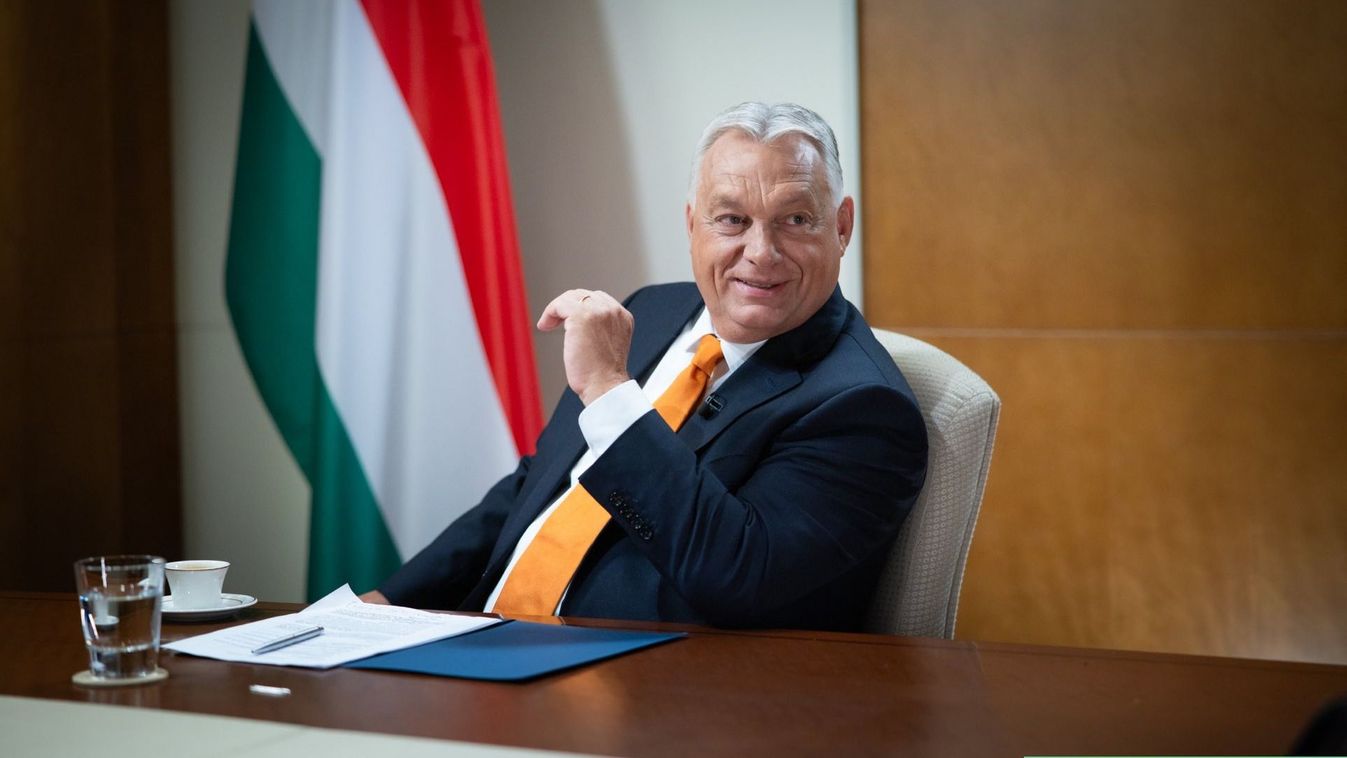
Since the start of Russia’s aggression against Ukraine, Hungarian Prime Minister Viktor Orbán has pushed for peace. And he has been maligned all along for doing so.
Against the backdrop of other alleged rule-of-law violations, Hungary has come under further attack for breaching the unity of the EU and its principles for not sending weapons to Ukraine, for vetoing Russian sanctions packages, and promising to never vote for Ukraine’s membership in the EU.
Just a couple of weeks ago, Remix News reported on how other member states were working to get around Orbán’s veto, specifically regarding initiating talks on Ukraine’s accession. And Denmark, as the current EU president, was presumably leading the way, even linking its membership to the security of the entire EU.
Now, according to a report out of Politico, it appears some cracks are showing in the unified front against Orbán’s campaign to keep Ukraine out. Even Denmark.
As we reported earlier, European Council President António Costa has been pushing to start negotiations on Ukraine’s accession using majority approval, thus circumventing Hungary’s veto.
But according to Politico, behind closed doors, many are voicing concerns about abandoning the principle of unanimity and allowing majority voting any consideration.
Costa’s plan “faces pushback from several EU countries, including France, the Netherlands and Greece, and is unlikely to get wide approval in Denmark, according to three EU diplomats and a French presidency official,” the portal writes. Apparently, the concern “is that by changing the accession rules, they would also be limiting their own ability to block membership bids they see as problematic.”
So, which other EU accession processes could be vetoed?
Greece, Cyprus, and France have been adamantly against Turkey’s accession; Bulgaria is dead set against North Macedonia joining; and Croatia has said no to Serbia. These are just the ones Politico lists.
“If you do qualified majority voting [to push the accession process forward], there is a very big risk of the process being extremely politicized,” a senior EU diplomat told the portal.
There is also the simple issue that to change the rules to majority voting would itself require a unanimous vote, which begs the question: Why is any of this even being discussed, given we know one veto to this can be counted on — Hungary’s.
In the meantime, Hungary is getting satisfaction from emerging data showing just how dependent other EU member states have been on Russian energy, helping fuel the Russian aggression they say they so oppose.
“Rather than phasing out Russian gas, Europe has effectively locked in LNG deliveries as a replacement for lost pipeline flows,” a Greenpeace report reads.
It further points out that France, Belgium, Spain, and the Netherlands bought €34.3 billion of Russian LNG between 2022 and June 2025 while sending Ukraine just €21.2 billion.
As pressure for peace mounts, and U.S. President Donald Trump is signalling that Europe must get its act together (namely, cease purchasing Russian energy and also focus on their own countries), it looks like allies may start crawling out of the woodwork and finally admit, Orbán may be right — on more than one front.