Just two months ago, Remix News reported on the European Commission pushing forward with the trade agreement between the European Union and the South American bloc Mercosur, despite the full approval process not yet being completed and rampant concerns regarding pesticides, rainforest destruction, and EU food security.
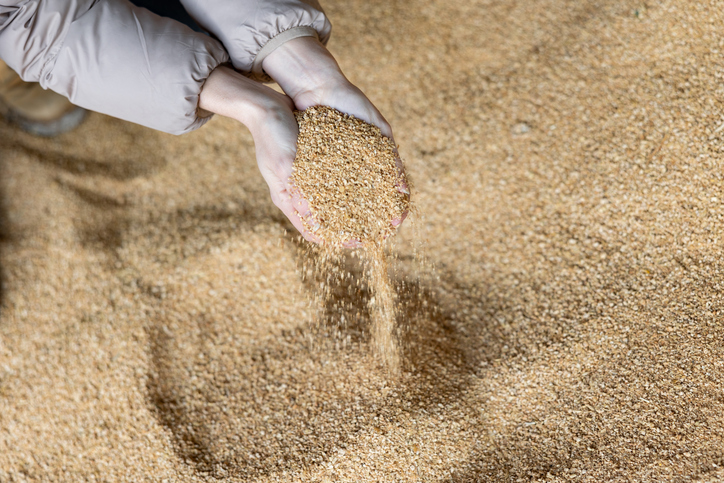
Now, the Netherlands has refused to accept six shipments of soybean meal from Argentina and Brazil after detecting the GMO variety HB4, which is banned in the EU.
According to information from Farmer.pl, cited by the Do Rzeczy news portal, Dutch authorities sent ships carrying soybean meal back to South America. Information about the irregularities detected was forwarded to the Rapid Alert System for Food and Feed (RASFF).
This is the first instance of Mercosur products being denied entry into an EU member state, and Argentina may well be worried that other countries may follow suit.
However, reports indicate that Argentina disagrees with the decision and has questioned the Dutch sanitary inspection methods. Experts believe that Argentine farmers may simply be ignorant of the ban, as the GMO variety in question is widely used in Argentina to protect crops from drought.
Soybean shipments from Argentina were reportedly destined for recipients in Belgium, Germany, and the Czech Republic, while shipments from Brazil were sent to entities in France, Italy, and Luxembourg.
Meanwhile, the EU market for meat from Brazil is scheduled to be closed in September. This is due to a lack of assurance that production will comply with EU requirements. Inspections conducted over the past two years resulted in numerous problems found, including beef contaminated with growth hormone, which is prohibited in the European Union.
Audits also revealed that Brazilian authorities ignored the recommendations of European inspectors.
As Remix News wrote this past February, four shipments containing a total of 62,781 kilograms of meat contaminated with the growth hormone were imported by two European companies in October 2025. A significant portion of the meat was distributed to several buyers and introduced into the EU market. Two remaining shipments of beef from Brazil (each containing approximately 25 tons of frozen meat) were blocked by Dutch authorities from being released for distribution.