

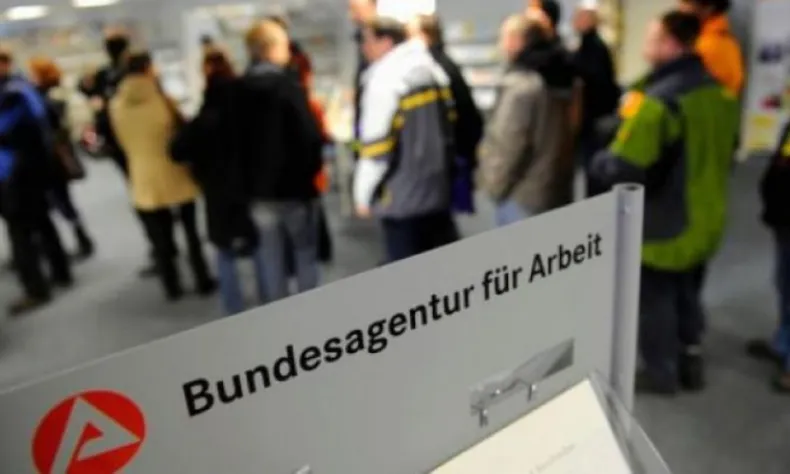
Germany once again has more than 1 million long-term unemployed, according to new federal data that shows a growing share of those without work are foreign nationals, many from asylum-seeking countries.
Figures from the Federal Employment Agency show that 1,042,517 people had been unemployed for at least one year as of November 2025. That means more than one in three (36.1 percent) of all unemployed people in Germany are now classed as long-term unemployed, as Bild reported.
The data, released in response to a parliamentary inquiry by the Alternative for Germany (AfD), also shows how deeply rooted the problem has become. More than half of the long-term unemployed have been without work for over two years, and almost one in five for more than five years.
One in three long-term unemployed people does not hold German citizenship. In 2014, there were 196,122 foreign nationals among the long-term unemployed. Today, that figure has soared to 317,377.
The sharpest rise has come from people originating from asylum-seeking countries, such as Afghanistan and Syria. Their number has jumped from just over 19,000 in 2014 to more than 92,000 in 2024, almost a fivefold increase. Nearly one in ten long-term unemployed people in Germany now comes from such a country.
Overall, the share of foreigners among the long-term unemployed has almost doubled over the past decade, even as politicians continue to speak about a shortage of workers.
Despite that shortage, only 5.7 percent of the long-term unemployed have training in occupations officially classed as in demand. At the same time, 60.3 percent have no vocational qualification at all, and more than 23 percent did not even complete secondary school.
As a result, very few manage to find regular work. In 2024, only about 155,000 long-term unemployed people found jobs, and just 115,000 of those positions were not state-subsidized.
The welfare bill is also rising. Payments to the long-term unemployed totaled €9.9 billion, with €3.26 billion of citizen’s benefit, known as Bürgergeld, paid to foreign nationals alone. Housing, healthcare, and future pension costs are not included in those figures.
AfD labor policy spokesman Jan Feser described the situation as a “declaration of bankruptcy.” He told Bild that the figures expose what he called the impact of mass migration and failed labor market policies, arguing that Bürgergeld has not reduced long-term unemployment but instead locked people into it.
Welt also reported that the overall economic backdrop remains weak, with unemployment rising to nearly 2.9 million in December and the jobless rate climbing to 6.2 percent.
Figures from the Federal Employment Agency in August 2024 revealed that nearly half of all Syrians in Germany remained on Bürgergeld nearly a decade after the 2015 asylum wave, casting doubt on the narrative that Syrian migrants had provided a net benefit to the country. In total, 518,050 Syrian citizens were still in receipt of state welfare benefits at the time.
Similar trends can be seen elsewhere in Europe. Remix News reported in November last year that in Belgium, 60 percent of people without work in 2023 were of non-Belgian background. The Belgian government has now moved to cap unemployment benefits and cut long-term payments, a decision expected to see around 180,000 people lose benefits next year.
Other countries are taking an even tougher line. Greece has announced deep cuts to asylum-related spending, ending rent subsidies for refugees and tying support directly to work and language training. The Greek government says the aim is to stop permanent dependency and make the country less attractive for irregular migration.