According to official data compiled by the left-wing Sahra Wagenknecht party, 22.4 percent of tenants were at risk of poverty last year, an increase of two percentage points over 2023, reports Frankfurter Rundschau.
This means that poverty among renters is increasing, even though the poverty risk rate among the overall population has declined slightly compared to 2021.
Among homeowners, the risk of falling into poverty dropped to 8.3 percent in 2024 compared to 10.9 percent in 2021.
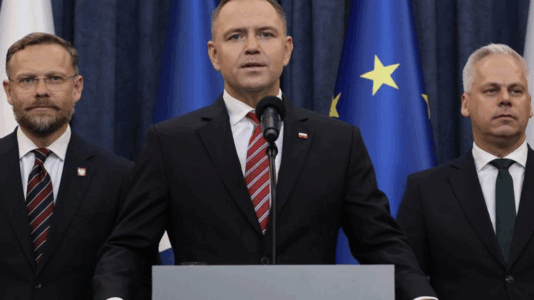
“If almost one in four renters is now at risk of poverty, this is a shameful indictment of the housing policy of recent years. The new federal government is also doing far too little,” BSW chairwoman Sahra Wagenknecht told the NOZ newspaper. The rent control is having almost no effect. “Rent is increasingly becoming a risk of poverty,” Wagenknecht told the paper.
According to a study by the Cologne Institute for Economic Research (IW), for the second quarter of this year, new lease rents increased by an average of 3.8 percent compared to the same period last year and up .8 percent versus the first quarter.
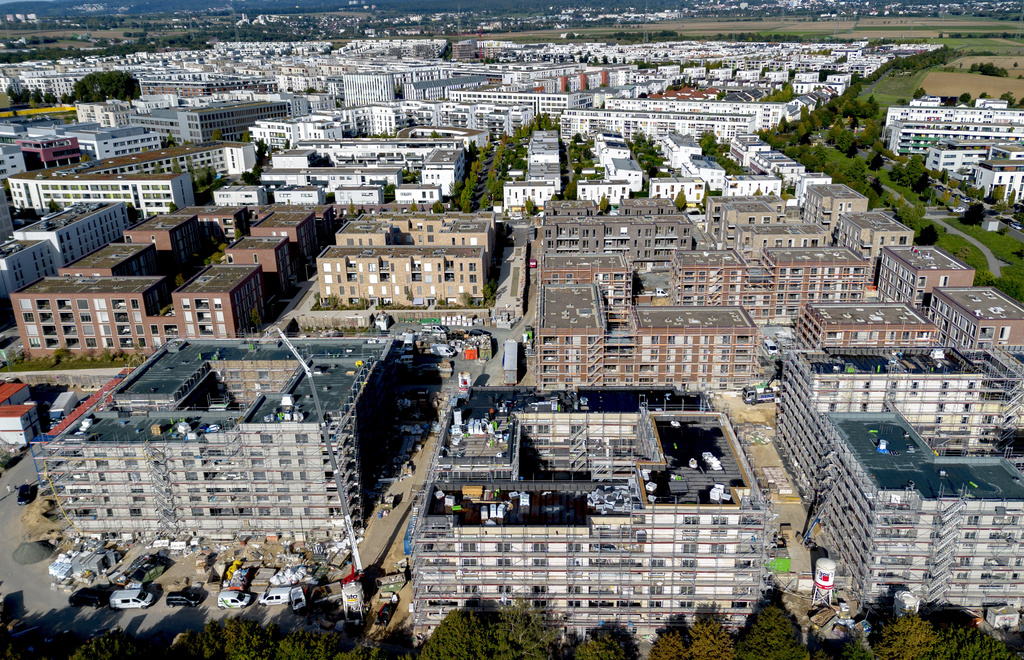
FR mentioned Chancellor Merz’s new construction program that streamlines permitting procedures to get new housing on the market fast. Construction has picked up, with the number of building permits growing by 2.9 percent year-over-year to 110,000 apartments in the first half of the year.
However, the comparable period from 2024 saw Germany’s lowest construction figures since 2010 due to years of higher interest rates and expensive building materials.
Wagenknecht also pointed out that the rent cap introduced in 2015 and now extended until 2029 has been “almost completely ineffective,” Mandiner notes. She has also regularly noted the incredibly high housing costs for all Germans, renters and homeowners alike. Germans spend every fourth euro of income on housing, one of the highest rates in Europe.
One teacher in Munich commented under an article in the left-liberal Die Zeit that he earns a lot, but even his very small rented apartment consumes a third of his net salary. He also added that, among his students, it is not uncommon for a family, even with six members, to live in a tiny apartment, even though both parents work.
Meanwhile, commenters in the more right-wing and conservative Die Welt blame the housing shortage on large-scale immigration, as well as strict and expensive climate-related building regulations; they also point out the sacrifices they have made to be homeowners instead of renters, giving up travel, entertainment and other expenses for years, and accepting high interest rates to own their own property.
As Remix News has written in the past, there is a strong correlation with mass immigration and rising housing and rental prices, however, other factors like financial speculation and the internal migration to Germany’s major cities also play a role.
As for German landlords, they claim they cannot make any profit without an increase in rent, given the surge in energy prices and the costs of mandatory renovations.