Hungary is ramping up its strategic energy mix, with both boosted solar energy storage capacity and nuclear.
In an interview with Portfolio.hu, Czepek Gábor, Hungary’s energy affairs deputy minister, said Hungary aims for strategic progress by the early 2030s by coordinating its nuclear energy, solar power, and energy storage development.
Rapidly growing renewable power, significantly scaling up storage capacity through both residential and industrial programs, and integrating nuclear energy, are all central to the Central and Eastern European (CEE) country achieving greater energy independence.
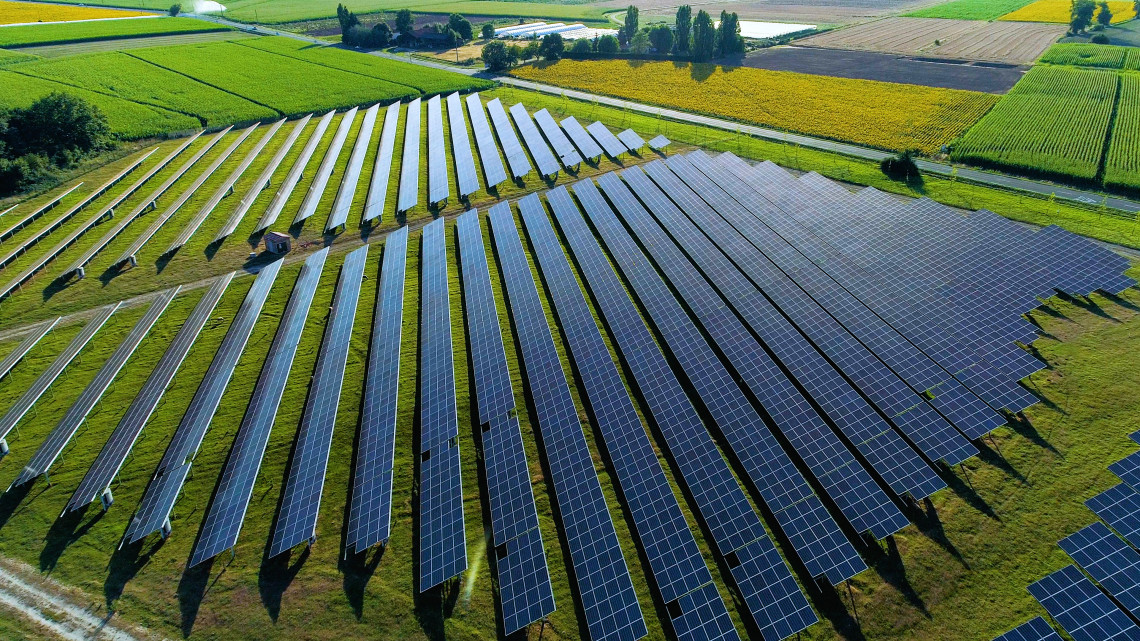
In terms of expanding solar energy storage, the government wants to install three times more energy storage capacity by the end of the decade than previously planned. Hungary plans to reach 1 GW of storage capacity by 2030, possibly even 2028, and aims for 3 GW by the early 2030s to support energy self-sufficiency.
In addition to the recently announced residential energy storage support, an industrial energy storage program is being prepared with more details expected this spring.
Support schemes include a residential storage tender launching in February that will nearly double the existing storage capacity of ~230 MW. A business-focused part of the Jedlik Ányos Energetikai Program will support up to 600 MW of industrial storage. In total, about 800 MW of new storage capacity is expected from these programs.
The residential support emphasizes engaging households—especially solar panel owners—to help balance electricity supply and demand, with priority in evaluations given to those losing annual net-metering or living in smaller towns.
Alongside innovations on the solar storage and renewables front, Hungary continues to prepare for SMR nuclear technologies, and is continuously diversifying its gas and oil mix, although long-term Russian gas contracts remain fundamental to the country’s gas supply.