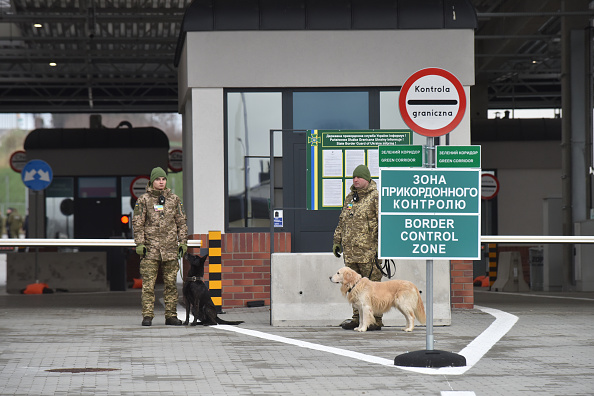
In just three weeks, more than 40,000 young Ukrainian men aged 18 to 22 have crossed into Poland after the government in Kyiv lifted travel restrictions for this age group at the end of August. The sudden surge was reported by Ukrainska Pravda and confirmed by the Polish Border Guard.
Between Aug. 28 and Sept. 19, Polish officials recorded nearly 53,000 border checks involving men in this age group, including almost 40,000 entering Poland and more than 13,000 leaving the country. Authorities note that these are checks, not individuals, but the figures suggest a large outflow of Ukraine’s youngest eligible men.
Many observers believe most will not return, fearing conscription and deployment to the front.
The new rule reverses the general travel ban imposed at the start of Russia’s full-scale invasion in February 2022, which barred men aged 18 to 60 from leaving the country to ensure sufficient mobilization. The government justified the change by citing a need to reduce corruption linked to illegal border crossings and to provide legal avenues for young men to study or work abroad. President Volodymyr Zelensky recommended the reform in August, framing it as a way to strengthen ties between Ukrainians abroad and their homeland.
Prime Minister Yulia Svyrydenko defended the policy, saying, “We want to maintain as many ties as possible as Ukrainians to our homeland.” Interior Minister Ihor Klymenko added that the aim was to allow opportunities for education, internships, and legal employment abroad, so young people could eventually “use the experience they have gained for the development of Ukraine.”
Yet the decision runs counter to repeated appeals from military commanders, who have argued for lowering the mobilization age, currently set at 25, to replenish exhausted forces and counter rising desertion rates. The Ukrainian army continues to struggle with manpower shortages as it faces sustained pressure on multiple fronts.
Polish officials had warned that the new law could trigger a fresh wave of migrants, adding to the millions of Ukrainians already living in Poland since the start of the war. Early reports from Ukraine itself suggest that many young men seized the chance to leave. Within a week of the policy’s introduction, mass resignations were reported at major companies. The Silpo supermarket chain, for instance, lost around 3,000 employees — the same number of young men it employed between 18 and 22.
The trend is being felt beyond Poland. Czech MP Robert Králíček of the ANO movement said arrivals of young Ukrainian men to the Czech Republic had doubled in recent weeks.
“When Volodymyr Zelensky allowed men between the ages of 18 and 22 to leave at the end of August, the number of incoming Ukrainian young men in this age range increased by 105 percent since the beginning of September. Previously, 1,615 of them were arriving per week; today, it is over 3,000,” he said on Czech Television, as cited by Echo24.