While Poland’s government is gradually closing the country’s coal mines to comply with the EU’s green agenda, a Ukrainian company is actively pursuing coal production in Silesia.
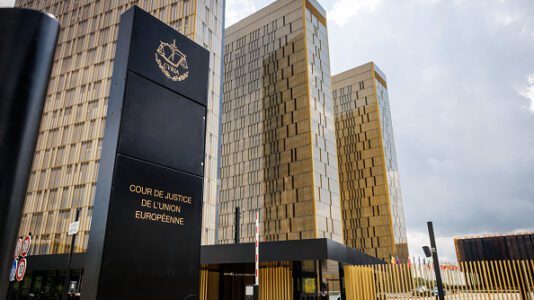
The European Commission has ordered all of Europe to phase out coal by 2049 in a major hit to Poland’s energy mix. Meanwhile, Ukrainian-Cypriot company CoalEnergy intends to resume mining in Poland’s region of Silesia, writes Do Rzezcy.
Listed on the Warsaw Stock Exchange, with its headquarters in Luxembourg and its parent company, Lycaste Holdings Limited, a holding company registered in Cyprus, CoalEnergy argues that, thanks to modern technologies and experience in Donbas, where it previously operated, mining can be profitable.
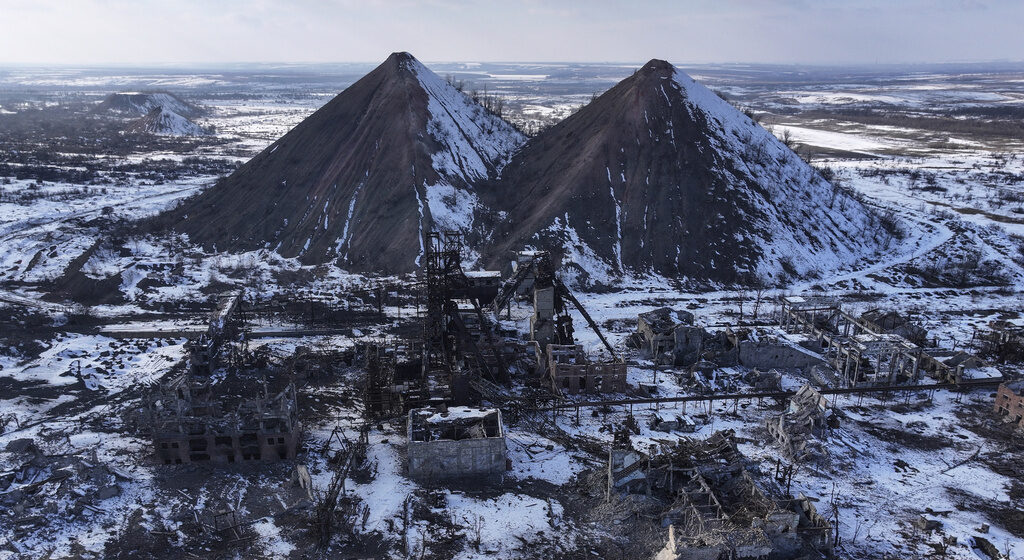
CoalEnergy brings together companies in the mining sector operating in Cyprus and Ukraine. Its primary activity is the extraction and sale of coal. As a result of the war with Russia, many of the company’s mines and shafts in Donbas were damaged. However, as of 2016, according to Do Rzeczy, mining operations were ongoing in only three of the company’s eight mines.
FT states the company is “engaged in the mining industry in Ukraine and Cyprus. Its principal business is underground coal mining, processing of coal waste dumps, and beneficiation and sale of thermal and coking coal.” According to the portal, the company has “14 subsidiaries based in Cyprus, British Virgin Islands, and Ukraine.”
“Ensuring a stable and sustainable supply of critical raw materials is currently a security issue for all of Europe. Our team has developed methods enabling efficient extraction in (previously) closed mines, based on experience from Ukraine,” says Wiktor Wiśniowiecki, CEO and founder of CoalEnergy, as quoted by “Puls Biznesu.”
CoalEnergy wants to take over the infrastructure of the Polish Siltech mine in Zabrze, which is ceasing operations at the end of 2025. Both companies have already signed a letter of intent in this matter. CoalEnergy has not yet submitted an application for a mining license and will first conduct thorough technical studies.
“Although the idea of reactivating mining in closed mines may seem controversial in the face of the energy transformation, it may also spark a debate about the future of the coal sector in the context of raw material security and local economic needs,” writes the Polish Press Agency.
In the meantime, it seems odd that Poland is being forced by Brussels to shut down coal and a Ukrainian company is being invited in to pursue coal production, all while Ukraine’s membership in the EU is being fast-tracked.