

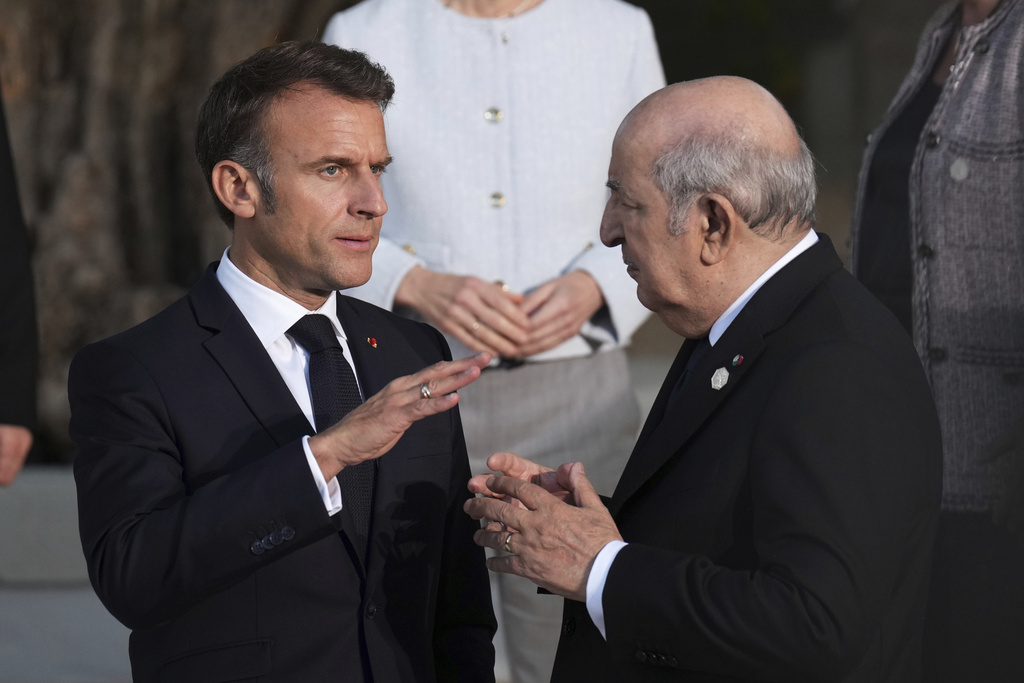
Algeria has now criminalized the period of French colonization, from 1830 to 1962. Yesterday, Jan. 22, the upper house of the Algerian parliament, the Council of the Nation (Senate), passed the law. However, 13 articles that were approved by the lower house regarding apologies and reparations demanded must be rewritten.
Reservations were raised, particularly concerning “reparations and apologies,” stated Fayçal Bousdraia, rapporteur for the National Defense Committee, in a video on the Senate website. These clauses are “not in line with the national direction” set by President Abdelmadjid Tebboune, which calls above all for “an explicit recognition of colonial crimes,” he said, as cited by TV5.
“I do not renounce the memory. We are not tempted by money, nor euros or dollars (…) We demand recognition (by France) of the crimes committed in the country. I am not asking for financial compensation,” Tebboune had previously stated in December 2024, in a speech to parliament.
The text of the new law lists the “crimes of French colonization” deemed imprescriptible: “nuclear tests,” “extrajudicial executions,” “the practice of physical and psychological torture” on a large scale, and “the systematic plundering of resources.”
It further stipulates that “full and fair compensation for all material and moral damages caused by French colonization is an inalienable right for the Algerian state and people.”
Tensions between France and Algeria have been boiling over for months, fueled by a dispute over Macron’s backing of Morocco’s plan for Western Sahara, the imprisonment of French-Algerian writer Boualem Sansal, special benefits received by Algerians in France, and France’s attempted expulsion of Algerian influencers for inciting violence against those opposed to the Algerian regime, as well as for hateful comments against France.
In Algeria, the Senate cannot amend a text adopted by the lower house. A joint committee will thus have to meet to propose a new text and resolve the issues between the two bodies, according to the president of the upper house of Parliament, Azouz Nasri.
After the law was passed in the lower house this past December, the French Ministry of Foreign Affairs denounced “a manifestly hostile initiative, both to the desire to resume Franco-Algerian dialogue, and to calm work on memorial issues.”
What the law means in practice remains unclear.
“We continue to work towards resuming a demanding dialogue with Algeria, which can address the priority interests of France and the French people, particularly with regard to security and migration issues,” the ministry added in December, as cited by Le Monde.