A 24-year-old Afghan asylum seeker who sexually assaulted a 13-year-old girl inside a German asylum reception center has avoided jail after receiving a suspended prison sentence, despite the lasting psychological harm suffered by the victim.
The Braunschweig Regional Court sentenced the man to 22 months in prison for sexual abuse of a minor but suspended the sentence for three years, meaning he left court as a free man after the verdict, according to reporting from Braunschweiger Zeitung.
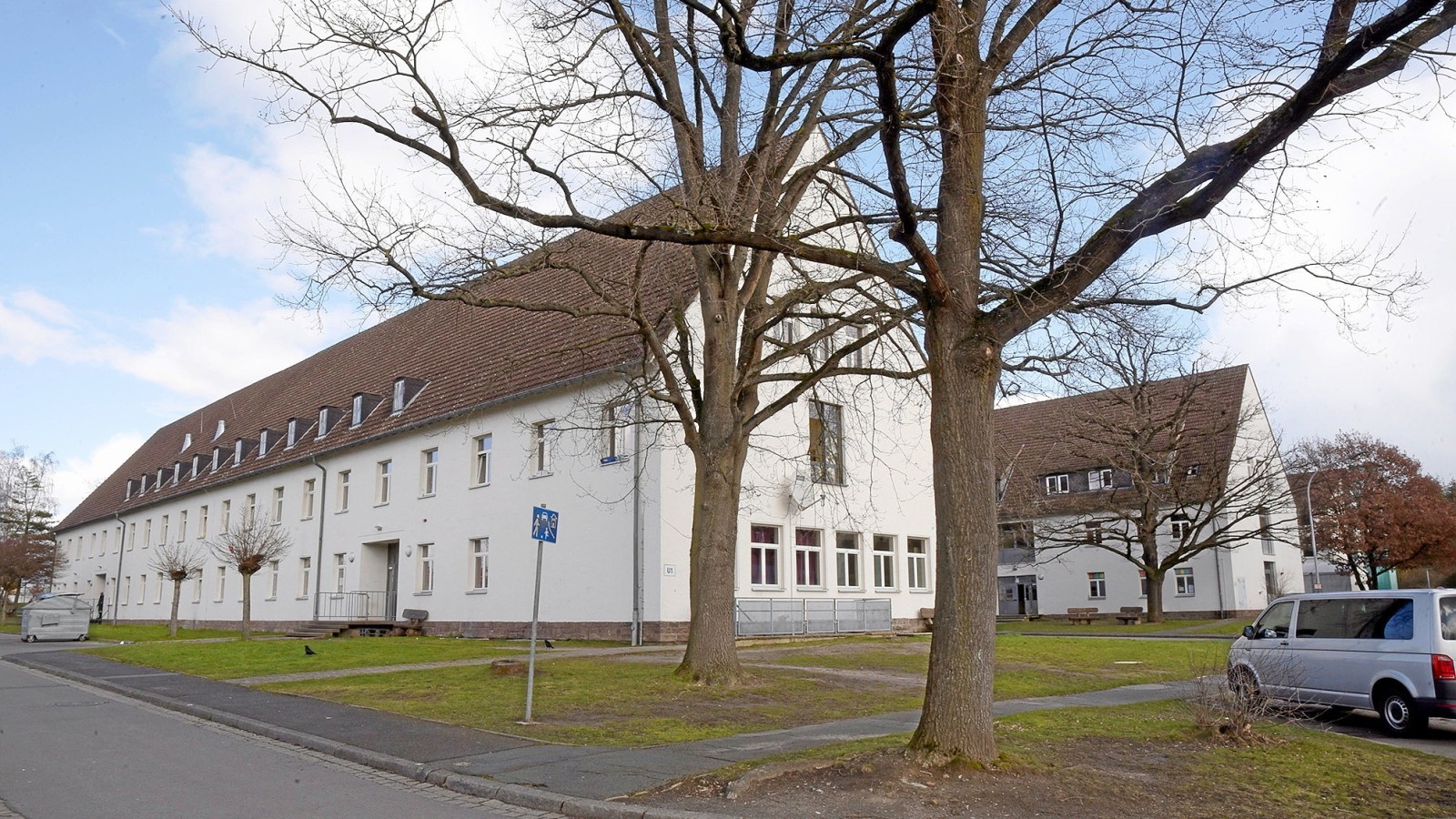
The assault took place on Nov. 24, 2022, at the state reception center in Braunschweig, where both the victim and the perpetrator were living after seeking refuge in Germany.
During the trial, judges heard that the defendant lured the 13-year-old girl to his room with fruit before forcibly pulling her inside. He then threw her onto the bed, removed her clothing, and touched her intimately.
The attack was interrupted when another person unexpectedly entered the room, prompting the man to release the girl and allowing her to escape.
An Afghan asylum seeker who forced a 13-year-old girl into his room at a German asylum center and sexually assaulted her has avoided jail after his defense lawyer argued the attack was down to his "sexual inexperience."
The 24-year-old defendant was handed a 22-month sentence,… pic.twitter.com/8Qwb2xcLpG
— Remix News & Views (@RMXnews) March 12, 2026Medical evidence presented in court showed the girl suffered bruising to her face and neck. Although the physical injuries healed, the psychological consequences have persisted. Her lawyer told the court that the victim remains in therapy, more than three years after the assault.
Following the incident, the man shaved his hair and beard at a barbershop, apparently in an attempt to avoid being recognized when returning to the reception facility. Authorities later transferred him to another center in Friedland after tensions rose within the accommodation.
During the trial, the defendant admitted the assault and apologized to the victim. “I wasn’t in control. I wasn’t myself,” he told the court. “I am very sorry for the girl. I can’t undo what I did to her. I hope you will give me a chance to prove that I am not that kind of person.”
His defense lawyer argued that the offense may have been influenced by the defendant’s “sexual inexperience,” noting that since arriving in Germany, he had learned the language, begun training as an electrician, and rented his own apartment.
The court acknowledged the seriousness of the offense but cited the defendant’s confession and lack of previous convictions in Germany when deciding to suspend the sentence. Presiding judge Uta Engemann also noted that three months of the sentence were considered served due to delays in the judicial process.
The defendant was ordered to pay €1,800 in damages to the victim.
The Braunschweig case comes amid a series of controversial rulings in Germany involving violent crimes committed by asylum seekers, where leniency appears to be favored over punitive sentencing.
In December 2025, a 29-year-old Afghan migrant was sentenced to six years in prison for a knife attack on a 27-year-old teacher in the town of Kirchheim unter Teck. The man approached the woman from behind in a residential area while she was walking home from work and stabbed her repeatedly with a knife. The court heard that he stabbed her four times in the back and twice in the thigh.
Despite the severity of the attack, the Stuttgart court dropped the attempted murder charge. Judges ruled that because the attacker stopped stabbing after the victim began screaming and fled the scene, his actions constituted a “withdrawal from attempted murder.” The ruling meant the man was convicted only of causing grievous bodily harm rather than attempted murder.
In another case last year, a 25-year-old Afghan refugee who killed a jogger in Hochdorf in November 2024 was not sentenced to prison after the Stuttgart Regional Court concluded he could not be held criminally responsible. Judges ruled that the defendant was suffering from severe mental illness at the time of the attack and ordered his indefinite placement in a psychiatric hospital instead.
Prosecutors said the victim, a 56-year-old man, was stabbed four times in the chest during what appeared to be a random encounter. The attack punctured the victim’s heart, causing him to bleed to death at the scene. While the court acknowledged that the defendant had committed the killing, it determined that his mental condition meant he could not be held legally responsible in the same way as other offenders.
A similarly high-profile ruling was delivered in Aschaffenburg, where Afghan asylum seeker Enamullah O. fatally stabbed a two-year-old child and a 41-year-old man who attempted to intervene during a daycare outing in Schöntal Park. The regional court ruled that the suspect suffered from a severe psychiatric disorder that rendered him incapable of understanding the wrongfulness of his actions. Instead of a prison sentence, judges ordered permanent placement in a psychiatric hospital.
Legal complications have also led to controversial releases even after convictions. In February 2026, an Afghan national who had been sentenced to seven years and nine months in prison for repeatedly raping and assaulting his partner in Berlin was released from custody after an appeal court ruled that judicial delays had made his continued detention unlawful.
The Berlin Court of Appeal found that the trial judge had failed to complete the written judgment within the legally required timeframe, causing the appeal process to stall for months.
The release triggered emergency protection measures for the victim, who had previously accused the man of repeated assaults, sexual violence, and threats with weapons over a period of several months.
Data from the Federal Criminal Police Office’s 2024 crime report, cited by Bild, indicated that foreign nationals are significantly overrepresented in violent crime figures.
The report found that 163 out of every 100,000 German citizens were recorded for violent crimes in 2024. Among Syrians, the figure rose to 1,740 per 100,000, while for Afghans it was recorded at 1,722 per 100,000.
Overall, non-German suspects now account for more than 40 percent of serious crimes in Germany despite representing about 16 percent of the population.