

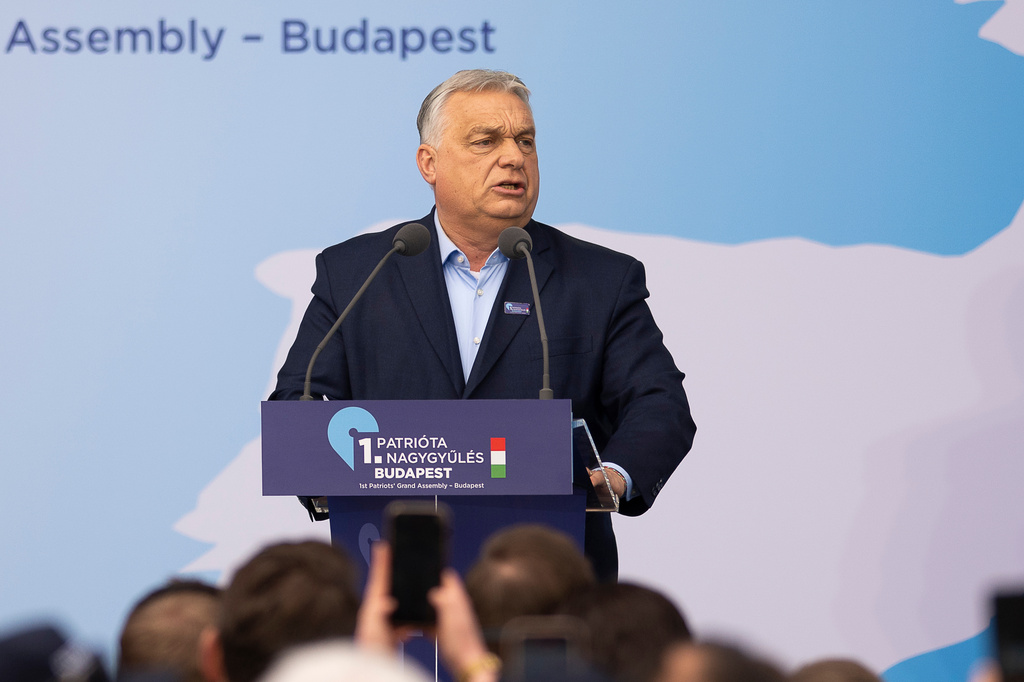
Hungarian Prime Minister Viktor Orbán has declared a suspension of gas supplies to Ukraine, stating the flow will only resume once Kyiv restores the transport of Russian crude oil through the Druzhba pipeline.
This transition will occur gradually, with Hungary opting to store its remaining gas supplies within its own borders. Orbán explained this decision on Facebook on Wednesday, March 25, writing, “We need to create reserves, so we will be filling Hungarian gas storage facilities, not Ukrainian ones.”
The prime minister further clarified that gas deliveries are strictly contingent on the resumption of oil transit, asserting that if Ukraine continues to stop the oil, it will not receive Hungarian gas, according to Hirado news outlet.
Orbán added, “We will protect Hungary’s energy security by maintaining stable fuel prices and a reduced gas price.
“We have been successfully defending against Ukrainian blackmail so far, thanks to the protected prices, Hungarians are paying the lowest prices at gas stations in all of Europe.”
At the heart of the conflict between Hungary and Ukraine is Russian oil, which has become a major bone of contention. While Ukrainian officials maintain that the Druzhba pipeline was damaged during a Russian attack and is currently undergoing repairs, the Hungarian government contends that Ukraine has not only refused outside inspectors, including EU inspectors, but there is no satellite evidence the pipeline is destroyed.
Budapest suspects that Kyiv is intentionally delaying the restoration of the pipeline in order to derail Orbán’s election bid. Since the blocking of the pipeline, Orbán has blocked a €90 billion EU loan for Ukraine, which was intended to be funded by joint debt.
This financial commitment has been rejected by the Czech Republic, Hungary, and Slovakia.
The true condition of the Druzhba pipeline remains a point of debate, prompting an investigation by EU experts who arrived in Ukraine on March 19. Brussels has shown a strong interest in the pipeline’s restoration, offering both technical and financial help, an offer that Kyiv has accepted.
The resolution of this dispute is especially critical for Hungary and Slovakia, the only EU nations still receiving Russian crude via Ukraine. For the Orbán administration, the stakes are heightened by the upcoming parliamentary elections on April 12. With current polling suggesting that Fidesz is at risk of losing power, the government is under immense pressure to secure its energy interests.