Update: A final ruling from a Hungarian court has forced the Index news portal to publish a correction to their previous report claiming that they had a leaked tax package from the Tisza camp, which they also falsely claimed would constitute the party’s economic plan.
The Tisza party, led by Péter Magyar, seeks to please the European Commission instead of the interests of Hungarians, with a new draft proposal leaked by the party’s former head of a church policy working group showing just how much pain Hungarians will be facing under a Tisza government.
Balázs Csercsa posted the leaked document on his Facebook page, with the caption: “‘”I can’t tell anyone, so I’ll tell everyone…’ Many people in Tisza are fed up with the fact that the newcomers are already acting as if they have unlimited power. The wind blew the latest material from Kapitány István’s team to me. Of course, they would keep the truth quiet now too. Tisza voters know nothing about what they are preparing for. It is precisely because of people like this that I have had enough of the Tisza Party.”
István Kapitány was Shell’s vice president of Global Retail from 2014 to 2024, and then became Tisza’s economic development and energy expert.
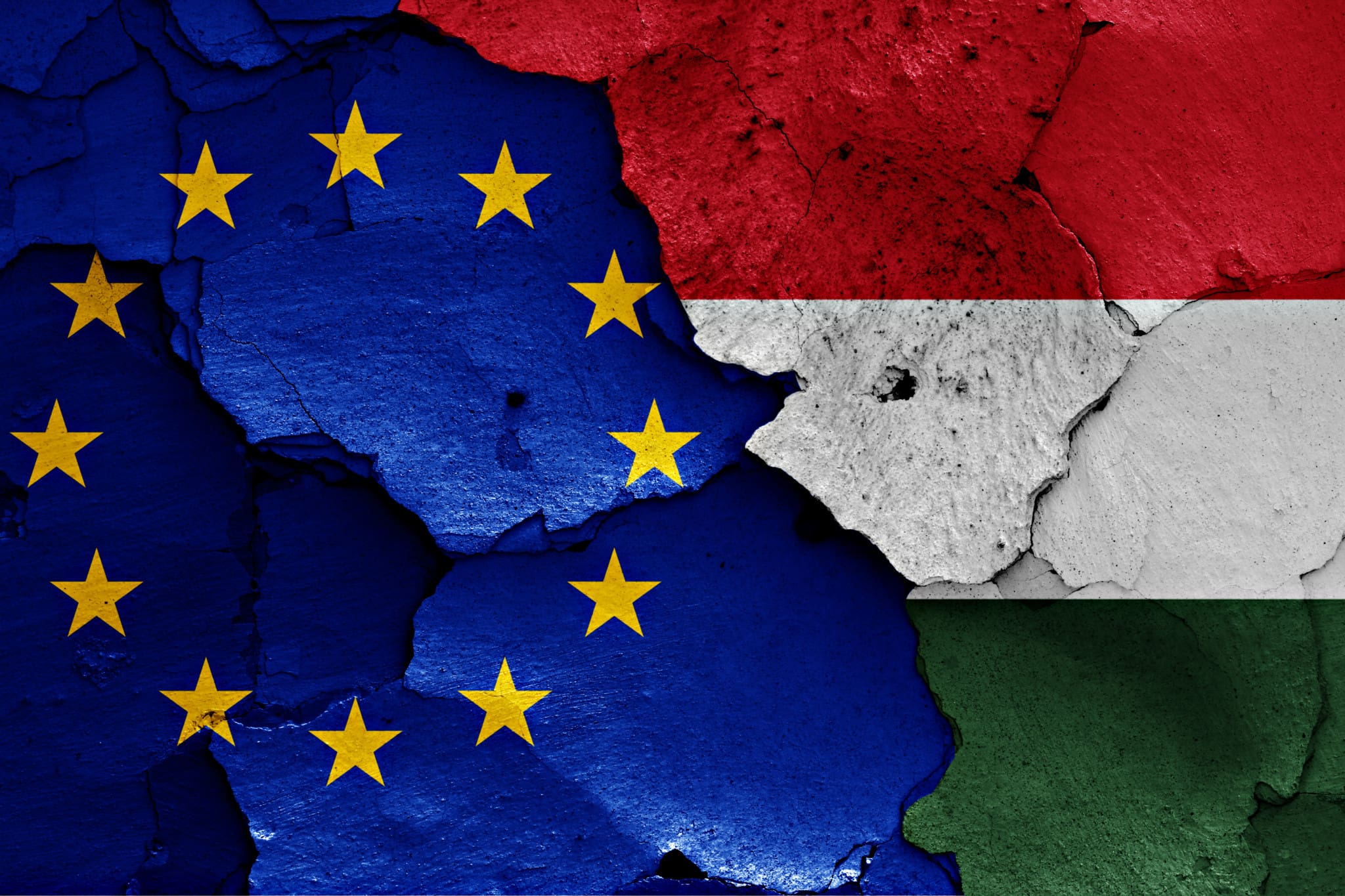
Excerpts from the document quoted by Maygar Nemzet indicate exactly how far Magyar is prepared to go to fall in line with Brussels. “Hungary must resolve its conflicts with the European Commission and Ukraine, and this cannot be done without substantial compromises and the elimination of Russian energy sources,” reads one line.
“This turn of events also provides an opportunity for Tisza to break with the Fidesz government’s model of excessive state control – with regulatory price regulation and artificial preference for domestic players – and liberalize the Hungarian energy market in line with the European Commission’s guidelines,” it continues, before calling for the immediate elimination of Orbán’s recently announced price cap on gasoline.
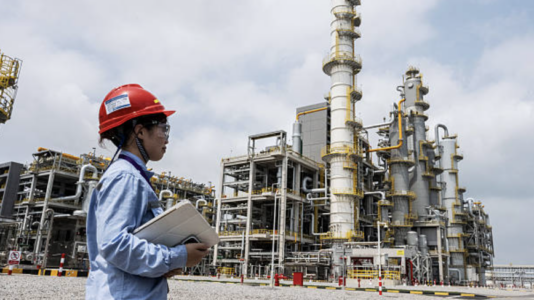
“To this end, the protected price of gasoline must be eliminated, a market price must be introduced instead of the reduced overhead (for lower gas utility prices), the conversion of the Mol refinery must be completed, and a new energy independence tax must be introduced to cover its costs,” states the document, which continues to explain how Hungary must also open up Hungary to other international energy carriers and cooperation with countries other than Russia, such as Croatia.
According to the Tisza experts, “protected prices place too great a burden on actors in the value chain – especially fuel traders -, go against all market logic, and discriminatoryly favor domestic consumers, which does not fit with the logic of the EU based on the common market and competition law.”
Therefore, after the formation of the Tisza government, these two challenges – the reduction of Russian energy purchases and the reduction of excessive state involvement – must be addressed immediately, with a ban on the import of Russian gasoline and diesel into Hungary to be submitted at the inaugural session of the National Assembly.
Tisza is vocal about a wealth tax on “NER elites,” referring to government-friendly entities and individuals they claim have enriched themselves during the Orbán governments. However, there is also a plan to go after household savings, while telling voters — after the election — that this is the fault of Fidesz’s poor policies.
The level of household savings in Hungary is very high compared to the European average, with the Tisza stating that “a 1 percent tax rate on savings would therefore generate 240 billion forints per year, and 1.5 percent would generate 360 billion forints. The EDF should be introduced for two years, and its revenues would finance the costs of the energy transition in 2026 and 2027. The above steps should be implemented immediately, after the formation of the new parliament.”
According to the Tisza economic working group, the implementation of everything will take approximately two and a half years, starting from the second month after the formation of the government.
The sale of state-owned MOL shares and the privatization of at least 75 percent of MVM’s ownership is also discussed, with these moves scheduled for completion by the end of 2028. MVM is Hungary’s state-run power company, which oversees the distribution of and billing for gas and electricity for households and businesses across the country. Under consecutive Orbán governments, households have benefitted from lower gas and electricity rates, known as “reduced overhead” here in Hungary, something Brussels has long called to be ended.
Regarding political risks and their management, it was explained that the transformation of the healthcare system will cause social tensions, and these emotions should be directed against Fidesz. According to the draft, “the Tisza government must therefore prepare in advance and consciously for political attacks,” by essentially laying blame on Fidesz and prominent Fidesz-aligned businesses and individuals.
In one pointed attack on longtime Orbán ally Lőrinc Mészáros, the document also reads: “The energy companies owned by Lőrinc Mészáros must be held responsible for the price increases, and a debate must be launched on the nationalization of Lőrinc Mészáros’ energy companies!”
Hungarians head to the polls on April 12.