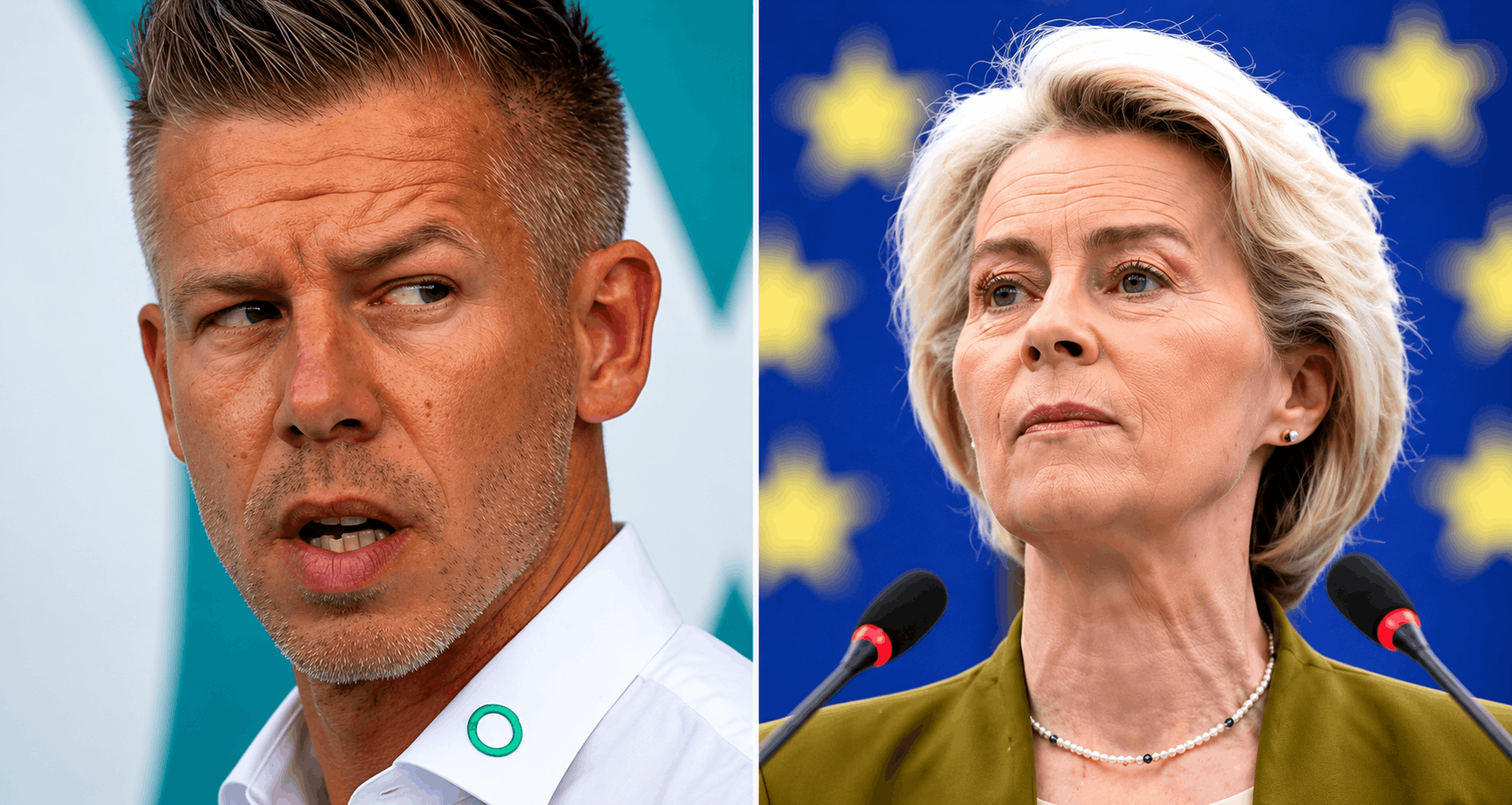
The European Commission has called on Hungary to lift its unilateral ban on imports of Ukrainian agricultural products, saying the move could disrupt the EU’s internal market and have negative consequences across the EU.
Earlier this month, upon the expiration of Hungary’s state of emergency, in place since Covid, the protection Hungarian farmers had received from cheap Ukrainian imports also disappeared. However, it did not take long for the new government under Péter Magyar to reimpose this ban, faced with opposition parties demanding reinstatement, along with farmers reeling from prices they simply cannot compete with.
Unfortunately, Brussels is not happy, calling Tisza’s reinstatement of the ban “deeply regrettable,” giving Magyar even more of a headache related to winning back favor in Brussels and, more to the point, obtaining the billions of euros frozen under the previous Orbán government.
The new restrictions affect several important product groups, including Ukrainian beef, pork, poultry, eggs, grain, flour, sunflower oil and rapeseed oil. The Tisza government has also not ruled out expanding the range of banned products in the future.
According to Brussels, the new Hungarian measures are incompatible with the functioning of the European Union’s internal market and could cause tension between member states, writes Világgazdaság.
European Commission spokesman Thomas Rainier said at a briefing on Tuesday that Brussels is continuing to negotiate with Budapest to ensure that Hungary lifts the ban. The commission believes that the revised agreement between the EU and Ukraine already includes legal and market protection mechanisms that can be applied if necessary, so there is no need for separate Hungarian sanctions.
Rainier warned that unilateral restrictions could have a negative impact on the entire European Union, especially on some member states. Essentially, the concern is that if more countries start imposing trade bans on their own, it could paralyze the functioning of the EU common market and could also put Ukrainian agriculture, which allegedly need financial support, in a more difficult situation.
Asked whether the European Commission could initiate legal proceedings against Hungary over the matter, Rainier noted that Brussels prefers dialogue and will try to explain to member states what guarantees and protections are available in the new EU-Ukraine agreement.