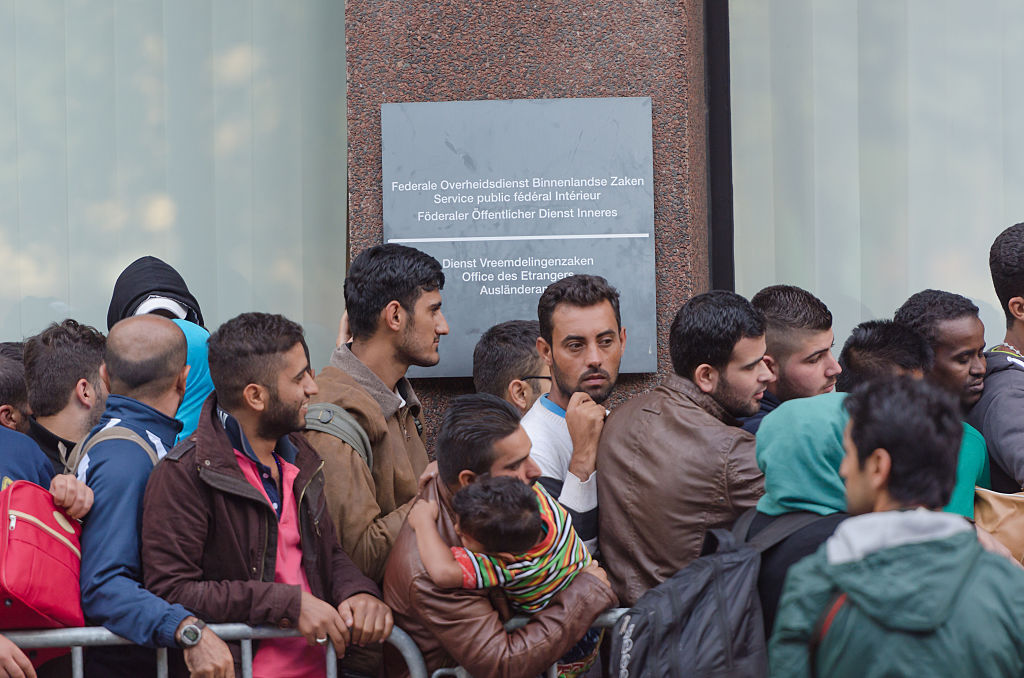
Hungary continues to formally reject the European Union’s migration pact in its current form, according to a new statement from the country’s interior minister, signaling Budapest and Brussels may still have a rocky road ahead.
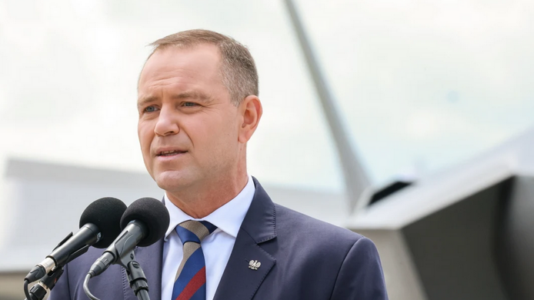
Currently, Hungary has declined to draft a Member State implementation strategy and has no intentions of presenting such a framework moving forward, according to Hungarian news outlet Mandiner. This stance was confirmed by the Minister of the Interior, Gábor Pósfai, during a legislative hearing before the Parliament’s European Affairs Committee following a Justice and Home Affairs Council meeting in Luxembourg.
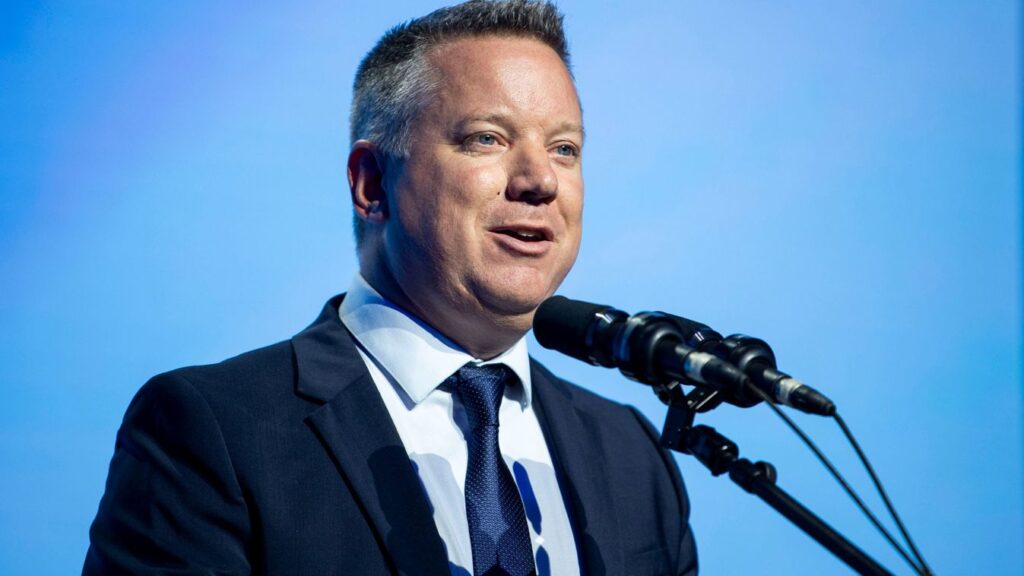
The interior minister clarified the country’s position regarding the specific solidarity pillars outlined in the European Union agreement, which include mandatory distribution quotas, financial redemptions, and technical assistance. Out of these options, Hungary views technical assistance as the only acceptable measure.
However, the minister emphasized that this form of aid would still necessitate explicit approval from any nation experiencing mass migration that might require support. While preliminary and informal bilateral discussions took place during the council session, no definitive agreements were finalized on the matter.
Magyar leaves the door open for migrants in the future
Last week, Remix News covered a Euractiv interview in which EU Migration Commissioner Magnus Brunner said they are ready to use “sticks” to make countries like Hungary fall into line.
“There are sticks and carrots in the pact. So, you get funding, you get money, only if you apply the pact,” he said.
Furthermore, the Euractiv report noted a shift in tone regarding the Hungarian leadership’s future stance on the policy.
“Péter Magyar, Hungary’s prime minister, once firmly opposed to the EU migration pact, is now keeping his options open. Pressed by the opposition Fidesz to rule out implementation, he sidestepped the question, saying only that ‘there will be no illegal migrants in Hungary’ under a Tisza government,” wrote Euractiv.
Nevertheless, Magyar’s first political instinct is to do whatever he can to stop migrants from arriving in the country. Not only was he originally from the anti-immigration Fidesz party, but he also has a history of promising voters he would reject the EU Migration Pact. If he can somehow secure EU money and keep migrants out, that would be the ideal scenario for the Hungarian leader.
The question is now whether the EU is going to allow Hungary to take the easy path. Magyar himself has left the door open for accepting migrants by not outright rejecting the pact when pressed by the now-opposition Fidesz party to clarify his position.
Magyar’s carefully worded distinction to only accept “legal” migrants means migrants who are processed “legally” under the parameters of the new EU framework may still be arriving. Commissioner Brunner lauded the new Hungarian administration’s shift, calling the government “very constructive” and adding, “Our job is to explain the advantages for Hungary and make them visible on a political level.”
The verdict is still out, but it appears Hungary is playing hardball and for now, with the official government position claiming that it will only provide technical assistance for the fight against illegal immigration. If that is truly the case, then Hungary may soon face the “sticks” from Brussels that Brunner warned of.