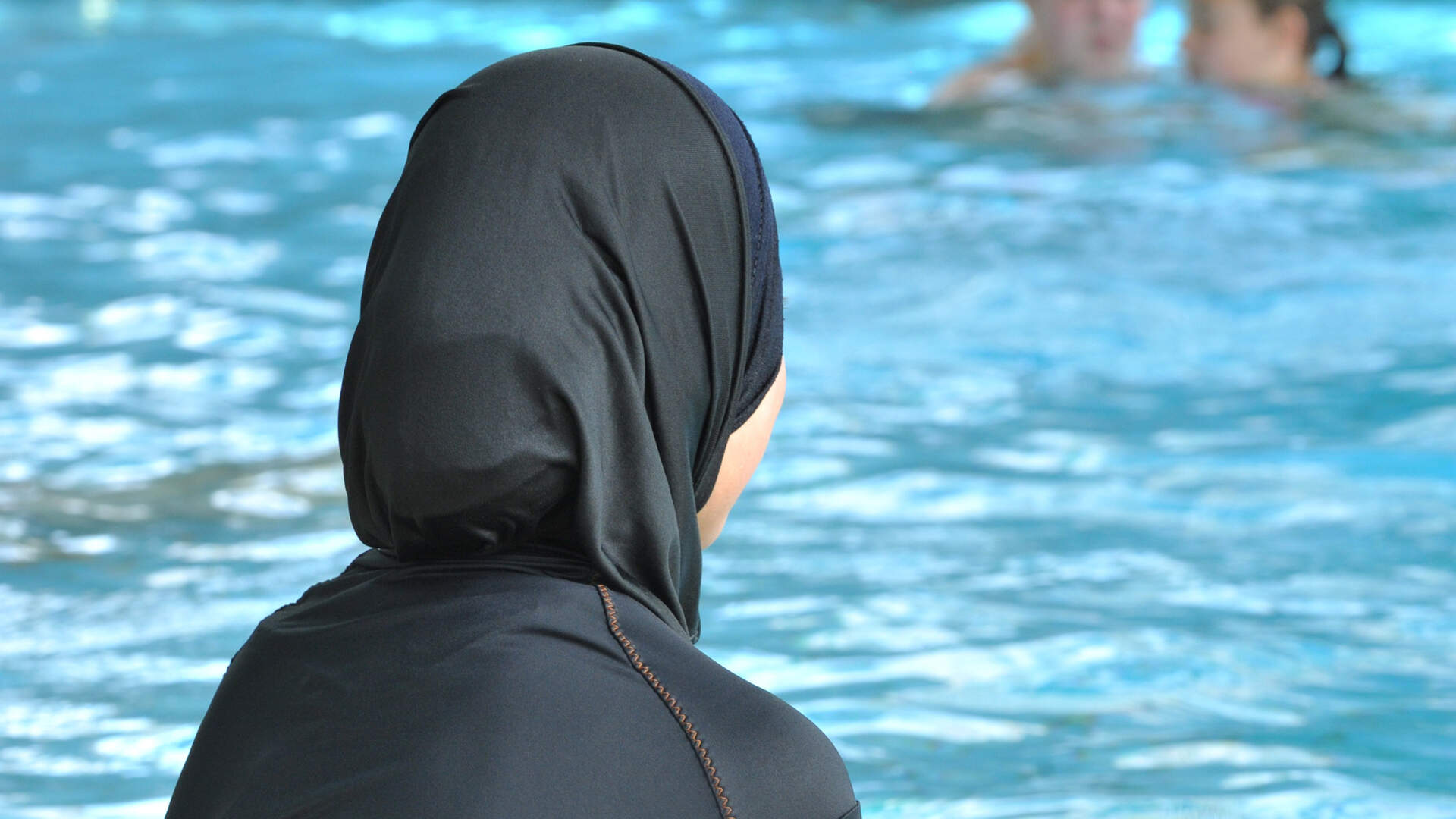
An Austrian administrative court has confirmed a penalty against a hotel manager in St. Johann im Pongau, Salzburg state, for prohibiting two Austrian Muslim women from using the hotel pool while wearing burkinis. The ruling, issued by the Salzburg State Administrative Court, determined that the ban amounted to discrimination on the grounds of religious belief.
The incident took place last autumn at the hotel in the Pongau region. The two women, guests from Upper Austria, requested access to the pool in burkinis. Hotel management refused, arguing hygiene concerns and that other guests would feel uncomfortable, according to Austrian outlet Heute.
According to court records, the women were told they must adapt to Austrian customs. The manager reportedly stated that “with a burkini, one can perhaps swim in Saudi Arabia, but not in Austria.”
The hotel ultimately covered the cost of relocating the women to another accommodation.
The women filed a complaint with the local district authority. In February 2026, the authority imposed a €100 fine on the hotel’s managing director, but the manager appealed the decision.
On appeal, the Salzburg State Administrative Court upheld the fine and ordered the manager to pay additional procedural costs totaling €20, increasing the total to around €120. The court rejected the hygiene justification, finding no objective basis for unequal treatment.
The court ruled the hotel “discriminated against these persons on the basis of their religious confession and prevented them from using a service intended for general public use.”
The judges dismissed hygiene claims, noting that burkinis are made of the same materials as other swimwear and that routine water quality tests at the pool showed no irregularities.
Subjective discomfort expressed by other guests, the court emphasized, does not legally justify different treatment. No consistent, written pool regulations existed to support the ban.
One of the Muslim women, who is a lawyer, welcomed the decision and said it met the legal standard of discrimination.
She further described the experience of those who choose to cover their bodies for religious or personal reasons: “These people experience it as a ‘deep humiliation if they are forced to undress, although no one is harmed by it.’”
The Austrian Hotel Association (ÖHV) described the case as an individual decision that nonetheless provides useful clarity on how hotels should handle such requests. A spokesperson noted that burkinis had not previously caused significant issues in Austrian hotels.
The ruling does not set a binding precedent for other swimming facilities in Austria. It remains possible for the hotel to appeal further to the Constitutional Court or the Administrative Court.
In other areas of Europe, the burkini is actually banned or prohibited.
Several specific French coastal towns have enacted temporary municipal bans on beaches. Additionally, France’s highest administrative court has ruled that state-run public swimming pools can ban them for hygiene and secularism reasons, rejecting appeals from cities like Grenoble that tried to allow them.
In the Belgian city of Antwerp, the burkini is also banned.