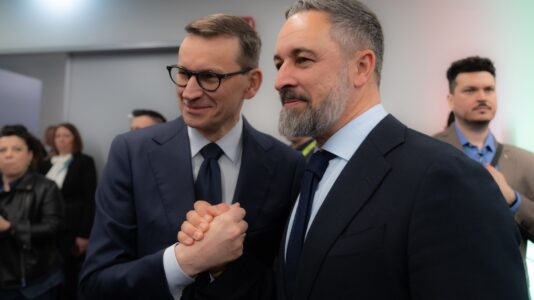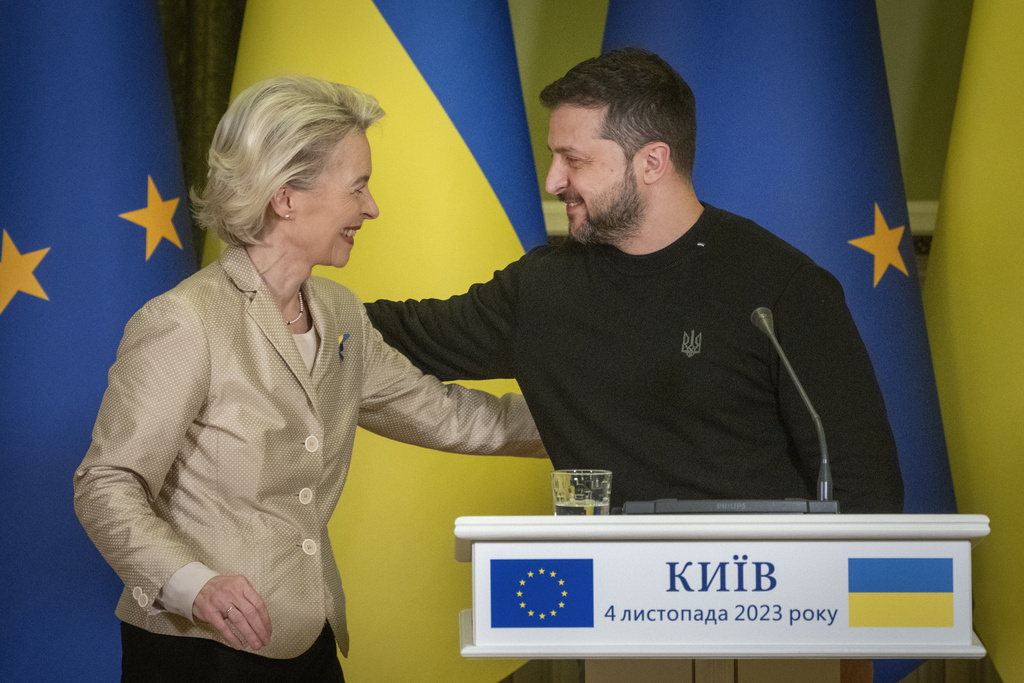
It looks like the EU’s €90 billion loan package is finally set to go through, with Hungary’s Viktor Orbán no longer standing in the way. The long-awaited 20th sanctions package will also now take effect.
The outgoing prime minister had indicated he would withdraw his veto since Kyiv assured the Druzhba pipeline would be reopened, with MOL indicating they expect first deliveries as soon as tomorrow. Slovakia had also withdrawn their threat of opposition.
Still, the decision must now be approved by the member state governments to be finally accepted, which may happen as early as next Thursday.
Brussels’ 20th sanctions package will also proceed, notes Do Rzeczy. It includes a complete suspension of seaborne transport of Russian oil and further steps aimed at the so-called “shadow fleet” – old ships used by Russia to bypass Western restrictions. It also envisages a €360 million reduction in exports to Russia. The restrictions will apply to items such as tractors, rubber products, and cybersecurity services.
Additionally, the ban on imports of metals, chemicals, and critical raw materials from Russia, worth a total of €570 million, will be expanded.
The European Commission also previously announced the addition of around 20 more Russian regional banks to the sanctions list and action against Russia’s use of cryptocurrencies to circumvent restrictions.
Of the €90 billion in aid for Ukraine, €30 billion will be allocated for macro-financial assistance or budget support. The remaining amount will be allocated to strengthening Ukraine’s defense capabilities and supporting military equipment purchases, ensuring timely access to key defense products.
Weapons will be purchased primarily from defense companies in Ukraine, the EU, and member states of the European Economic Area (EEA)/European Free Trade Association (EFTA).
As to the source of the €90 billion, the EU commission estimates the debt servicing costs at around €1 billion by 2027 and around €3 billion annually from 2028. Ukraine will be obligated to repay the loan principal after receiving war reparations from Russia. The commission has not explained how it plans to force Moscow to repay the reparations and recover the funds.
In a post last Sunday, Orbán emphasized that “the disbursement of the loan does not impose a financial burden or obligation on Hungary.”