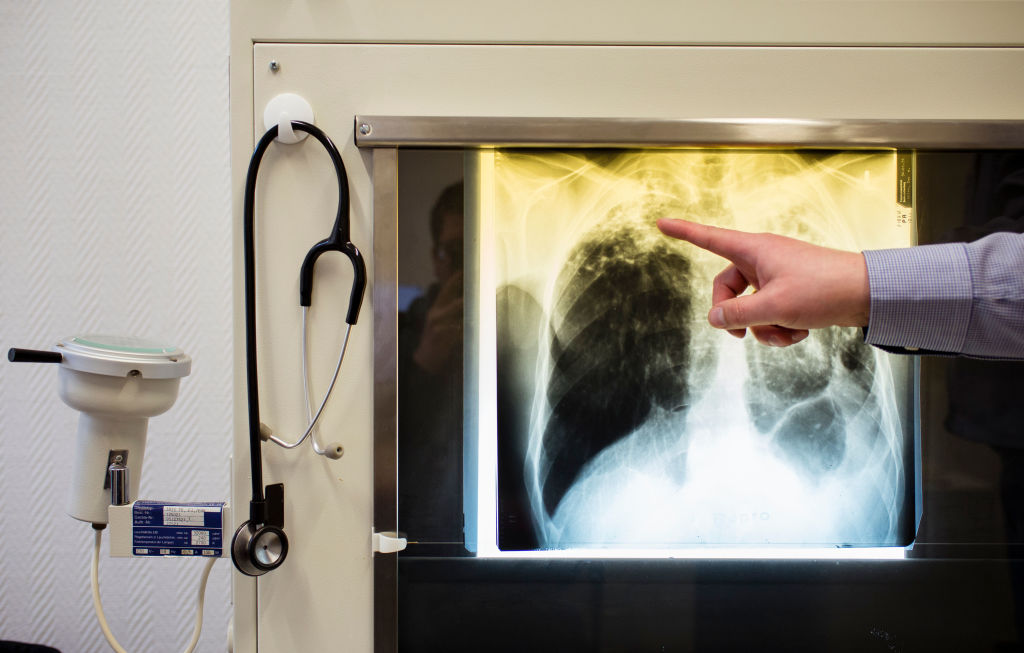
Three out of four tuberculosis patients in Germany were born abroad, according to data from the Robert Koch Institute as of March 1, 2026. This information was released in response to a parliamentary question from Alternative for Germany (AfD) MP Martin Sichert.
In 2025, a total of 4,070 cases were reported, with 3,036 of those involving individuals born in a foreign country, which represents 74.6 percent of all cases. Furthermore, 2,718 cases involved a combination of a foreign country of birth and a foreign nationality, reported Nius news outlet.
This has been an ongoing issue for years. In 2015, the rate of tuberculosis patients with a foreign background was 70 percent, and by 2023, it reached 75.6 percent. The figure has remained above 69.8 percent since 2015 and has consistently exceeded 74 percent since 2022.
It is also unclear how many of the other approximately 25 percent are German citizens with a foreign background.
However, this is far from the only disease suffered by high rates of foreigners.
Here’s what the RKI and related data show on diseases in Germany where foreigners or people born abroad are heavily overrepresented:
Diphtheria: Virtually 100% linked to refugees and migrants in recent outbreaks
Diphtheria had been extremely rare in Germany for decades, but the picture “changed abruptly” in July 2022, when a significant number of imported cases appeared among refugees primarily from Afghanistan and Syria.
As of March 2023, at least 167 confirmed cases among recently arrived refugees had been reported to the RKI. The outbreak continued through 2025, with 125 confirmed cases in Germany within a single strain cluster alone — the vast majority linked to newly arrived migrants.
Hepatitis B: Over half of infections among migrants
An RKI-affiliated study estimated that more than half of hepatitis B-infected individuals in Germany were migrants. The RKI’s 2022 annual report noted a significant increase in reported hepatitis B and C cases.
HIV: Significant share linked to migration
The number of new HIV diagnoses reported in Germany rose significantly in 2022, primarily due to Ukrainian refugees entering the country. Neighboring countries like Poland have also suffered from soaring HIV rates, tripling in five years due to Ukrainian migration.
Beyond these diseases, German health authorities also report that approximately 30 percent of asylum seekers have mental illness. Many of these individuals have gone on to attack Germans, including murdering them, in high-profile attacks.