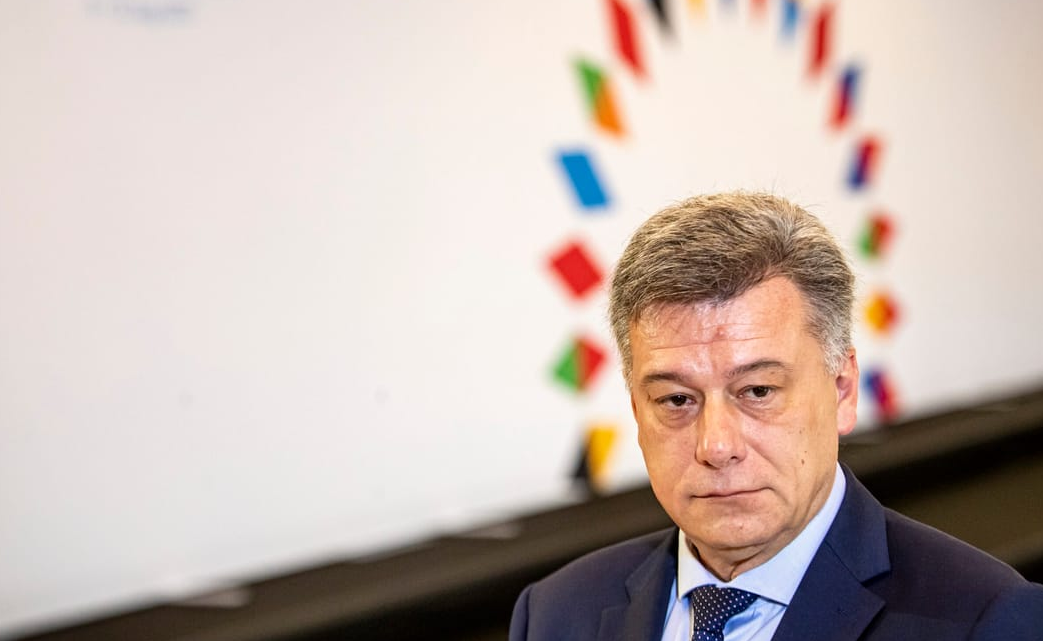
Former Czech Justice Minister Pavel Blažek has been charged amid an ongoing criminal investigation into a controversial bitcoin donation accepted by the Ministry of Justice during the previous administration.
Detectives from the National Headquarters for Organized Crime launched criminal proceedings on Monday against three more people linked to the case, prosecutors said.
The newly charged suspects are Blažek, a senior figure in the Civic Democratic Party, his former deputy Radomír Daňhel, and Brno lawyer Kárim Titz, who represented programmer Tomáš Jiřikovský, the man who donated the bitcoins to the state.
In a press release on Monday, the Chief Public Prosecutor’s Office in Olomouc said the three are accused of abuse of authority by an official and legalization of proceeds from crime.
According to prosecutors, the alleged abuse of power relates to an official exercising authority in breach of the law with the intention of giving someone else an illegal advantage.
The money laundering allegations concern the transfer of assets believed to be proceeds of another person’s criminal activity, as well as alleged attempts to make it substantially harder to determine the origin of those assets.
If convicted, the accused face prison sentences of between 5 and 12 years. The criminal prosecution is being conducted while the suspects remain at liberty.
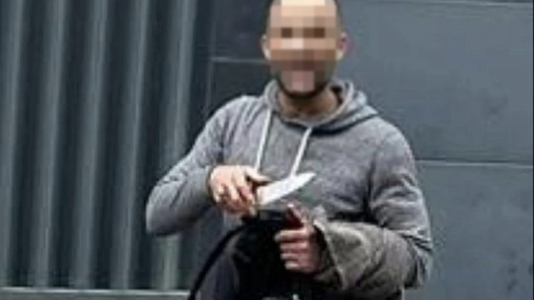
The case stems from the Justice Ministry’s acceptance of a major Bitcoin donation from Jiřikovský, who had previously been convicted of embezzlement, drug trafficking, and illegal weapons offenses. Jiřikovský has also been charged in the case, accused of money laundering and of operating the darknet marketplace Nucleus Market.
Jiřikovský transferred around 30 percent of the bitcoins from a police-confiscated wallet to the Ministry of Justice following his release from prison in 2021. The ministry later auctioned the digital assets for nearly CZK 957 million, around €38.5 million.
The donation triggered serious questions over the origin of the cryptocurrency, the transparency of the transaction, and the ethics of a government ministry accepting assets from a convicted criminal.
The scandal led to Blažek’s resignation last summer.