

The blockade of the Strait of Hormuz has not just resulted in higher oil prices. It has thrown a wrench in the supply chain of fertilizers and other raw materials, significantly disrupting the production of everything from plastics and food to cars and electronic appliances.
Companies across the globe are now facing supply shortages, throwing multiple sectors into uncertainty, and the ripple effect could be devastating. However, for the average consumer, as noted recently by the president of the European Central Bank, Christine Lagarde, the price of two things matter most: fuel and food. People have already had to see the price of gasoline at the pump jump, but food may soon be hit, with the price of nitrogen fertilizers more than doubling in some regions right when farmers need them most.
Experts warn that shutdowns may be imminent, with even deep global famine not being ruled out, even if this more dire scenario still remains remote.
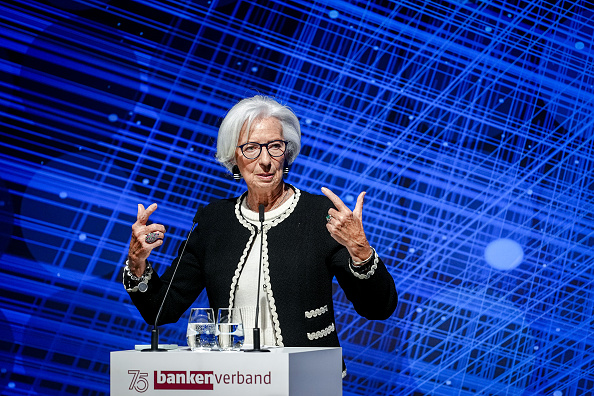
Speaking at an event hosted by the Association of German Banks, Lagarde noted that “a third of fertilizers are transported through the Strait of Hormuz. If food prices rise significantly, it will lead to an increase in inflation expectations, because we know that people pay particular attention to two things: the price of food, processed and unprocessed, and the price of gas at the petrol stations.”
Unfortunately, given the extent of damage already incurred, analysts say some shutdowns and food shortages are simply unavoidable even if the war in Iran and the blockade of Hormuz were to end today.