

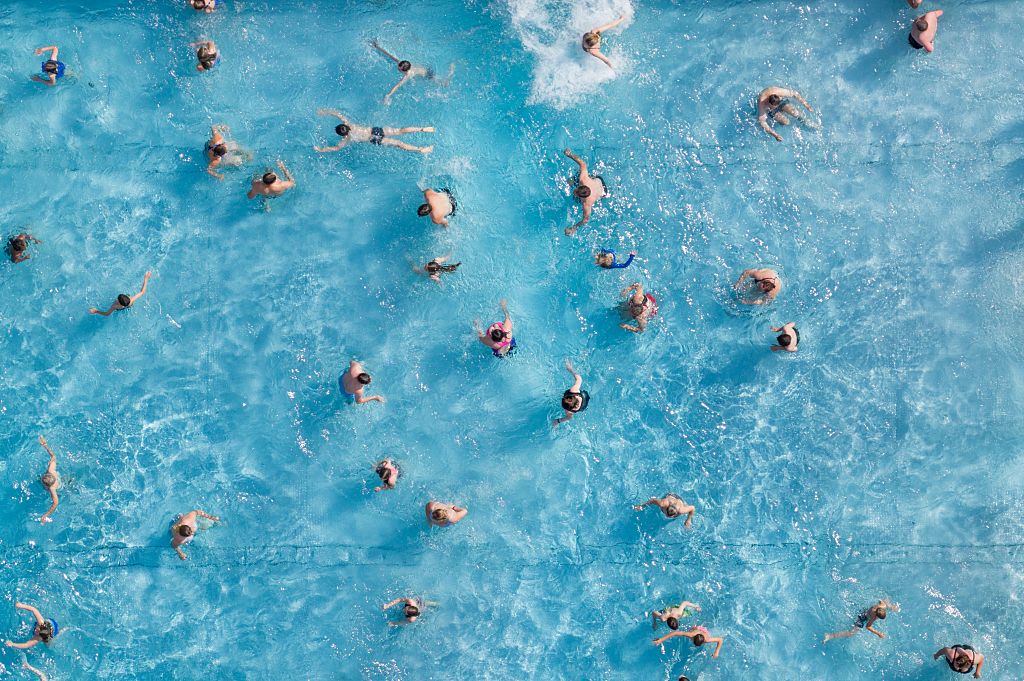
A swimming pool in Halle that made headlines for refusing entry to anyone who cannot understand German is now under pressure from the city to reverse course, after officials warned the rule could be seen as “xenophobic” and damaging to Halle’s image.
The standoff pits the city administration against Mathias Nobel, the operator of the Heidebad open-air pool, who introduced the policy on safety grounds. Remix News reported just yesterday that Nobel had announced that he would turn away visitors who do not speak enough German to understand the facility’s bathing rules. The decision was not made on a whim either: it followed a weekend incident in which he personally pulled a toddler from a deep section of the lake after the child’s parents failed to understand his warnings.
For Nobel, the episode was proof that a language barrier can be a matter of life and death. For the city, it was a public-relations problem.
City: rule could “damage the city’s reputation”
In its appeal to the pool’s operators, Halle argued that the policy “can be perceived as xenophobic by the public,” and that this “would damage the city’s reputation and violate the contractual duty of good conduct.”
City administration spokesman Drago Bock said Nobel must first exhaust “milder means” before resorting to outright exclusion. Access to the pool, Bock told Bild, must be guaranteed “for the general public,” and the operator must not undermine the public nature of the facility “by imposing blanket bans on entry for entire population groups.”
Operator buried in hate mail and bad reviews
The backlash against Nobel has been intense. After the rescue and the policy that followed, he says he was inundated with hate messages, and his facility was hit with a wave of negative online reviews.
He has remained defiant, rejecting the charge of xenophobia and insisting the rule was never about nationality but about preventing a drowning.
“I bear the responsibility in the pool. When something happens, everyone points at me. Dead is dead,” he said, referring to what could happen if someone died at his pool.
Asked to walk the policy back, Nobel pushed the question back at the city: “What should I take back? That people understand the bathing rules?”
The compromise: signs, pictograms, and QR codes
Despite its sharp criticism, the city says it does take Nobel’s safety concerns seriously — and has proposed an alternative to an outright ban. Under the plan, the pool’s bathing rules and safety instructions would be posted in multiple languages. Pictograms and QR codes placed at the entrance and around the grounds would convey the most important rules visually, in an effort to bridge the language gap without turning anyone away at the gate.
Whether that satisfies Nobel, who frames the issue in stark terms of who answers when a swimmer drowns, remains to be seen.