China exported more than one million vehicles in June, the first time the country has surpassed that figure in a single month. The total was almost 73 percent higher than in June last year, while exports during the first half of the year rose by 53 percent to more than 5.3 million vehicles.
The figures represent another serious setback for Germany’s carmakers, which are already dealing with weak demand, underused factories and declining influence in China, German broadsheet Handelsblatt reported. Volkswagen, Mercedes and BMW were once widely regarded as prestigious status brands among Chinese consumers, but domestic manufacturers have rapidly closed the gap in quality and moved ahead in areas such as electric vehicles, batteries, and in-car technology.
German manufacturers are now being squeezed both at home and abroad. They are losing market share inside China while facing a growing flow of cheaper and increasingly competitive Chinese vehicles into Europe.
Automotive expert Ferdinand Dudenhöffer told Bild that German companies had spent too long making only minor changes to models designed elsewhere rather than developing vehicles specifically for Chinese consumers. He said the industry had “fallen asleep at the wheel” and warned that China was now “miles ahead in automotive high-tech.”
While Germany faces plant closures, job losses and declining competitiveness, Hungary and Spain are taking a different approach by actively welcoming Chinese investment.
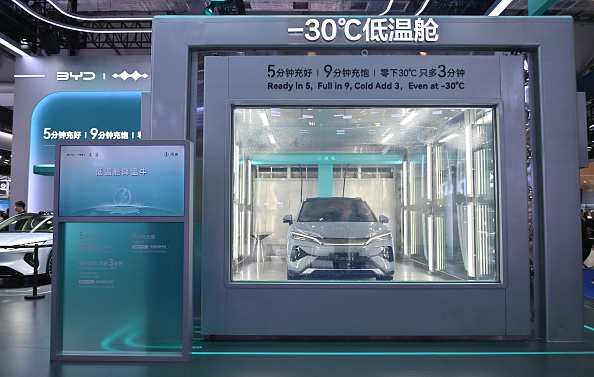
BYD is completing construction of its first European factory in Szeged, Hungary. Production could begin in the fourth quarter of the year, giving the Chinese company a major manufacturing base inside the European Union. BYD is also searching for a second European site, rumored to be in Spain.
Hungary has presented itself as one of the most open European destinations for Chinese industrial investment, offering Beijing a route into the EU market while securing jobs, infrastructure, and manufacturing capacity at home.
In Spain, Chinese automaker SAIC has completed trial operations at a terminal in the port of Ferrol. The project could make the port an important entry point for Chinese vehicles and components, further strengthening Spain’s role in China’s European expansion.