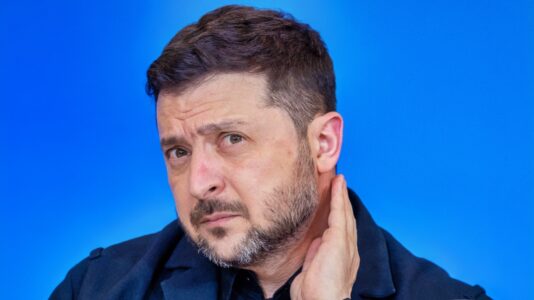

A Ukrainian national suspected of involvement in the 2022 sabotage of the Nord Stream gas pipelines has been detained in Croatia and faces extradition to Germany, according to an announcement from the German Federal Public Prosecutor’s Office in Karlsruhe.
On the morning of Aug. 19, 2026, local police executing a European arrest warrant in the coastal city of Pula arrested the man, identified under German privacy rules as Vladimir Z., also referred to in some reports as Volodymyr Z.
The warrant had been issued by an investigating judge at Germany’s Federal Court of Justice on June 3, 2024. Prosecutors describe Vladimir Z. as a trained scuba diver who is strongly suspected of jointly causing explosions, anti-constitutional sabotage, and the destruction of buildings and structures.
According to the prosecutor’s statement, Vladimir Z. belonged to a group centered around separately prosecuted Ukrainian national Serhii K.
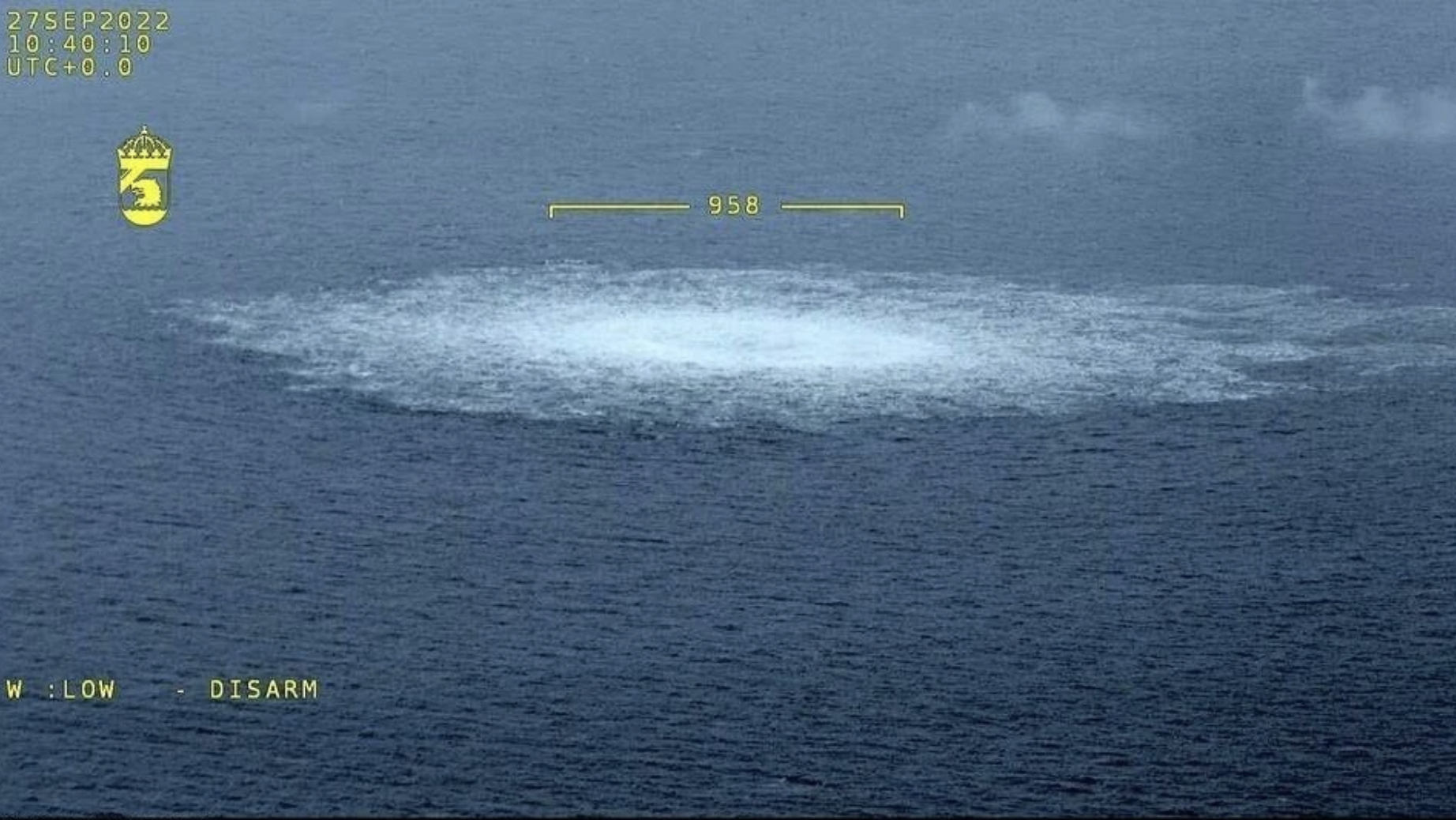
In September 2022, the group is alleged to have planted explosives on the Nord Stream 1 and Nord Stream 2 pipelines near the Danish island of Bornholm. Vladimir Z. is said to have taken part in the necessary dives.
The team departed from Rostock, Germany, aboard a sailing yacht that intermediaries had rented from a German company using falsified identification documents. The explosives detonated on Sept. 26, 2022, causing extensive damage to both pipelines.
Upon extradition from Croatia, Vladimir Z. is expected to appear before the investigating judge at the Federal Court of Justice. German authorities are actively pursuing the transfer.
This marks the second major arrest in the long-running German investigation. In June and July 2026, prosecutors filed an indictment against Serhii K., a former Ukrainian army officer, before the Hanseatic Higher Regional Court in Hamburg. He faces charges including co-perpetration of a war crime through an attack on civilian objects, causing an explosion, destroying infrastructure, and disrupting public services.
Prosecutors allege that Serhii K. acted on behalf of Ukrainian state entities, helping to plan and lead an operation aimed at permanently disrupting Russian gas deliveries and denying Moscow revenue that could fund its military campaign. Both K. and Ukrainian officials, including former army commander Valery Zaluzhny, have denied the claims.
Z. had previously been the subject of an extradition request in Poland. In October 2025, the District Court in Warsaw refused to hand him over to German authorities, lifted his pre-trial detention, and ordered his immediate release.
The Nord Stream explosions remain one of the most consequential acts of infrastructure sabotage in recent European history. Two of the three operational strands of Nord Stream 1 and one of the two strands of Nord Stream 2 were ruptured. The second Nord Stream 2 line, with an annual capacity of 27.5 billion cubic meters, had never entered service. At the time, Russia had already curtailed deliveries through Nord Stream 1 amid sanctions and technical disputes, while European governments accused Moscow of weaponizing energy supplies. Russia has repeatedly pressed Germany to activate the remaining capacity.
German investigators continue to treat the case as a matter of domestic jurisdiction because the pipelines terminate in Germany and their destruction affected the country’s energy security. Media reports, including those from Der Spiegel, have long described the operation as originating with Ukrainian actors.
Some accounts have suggested that U.S. intelligence, including the CIA, was aware of early planning discussions and did not initially object, even examining technical aspects. However, there has been no official confirmation of any American role in preparing or executing the sabotage, and such claims remain unproven.