

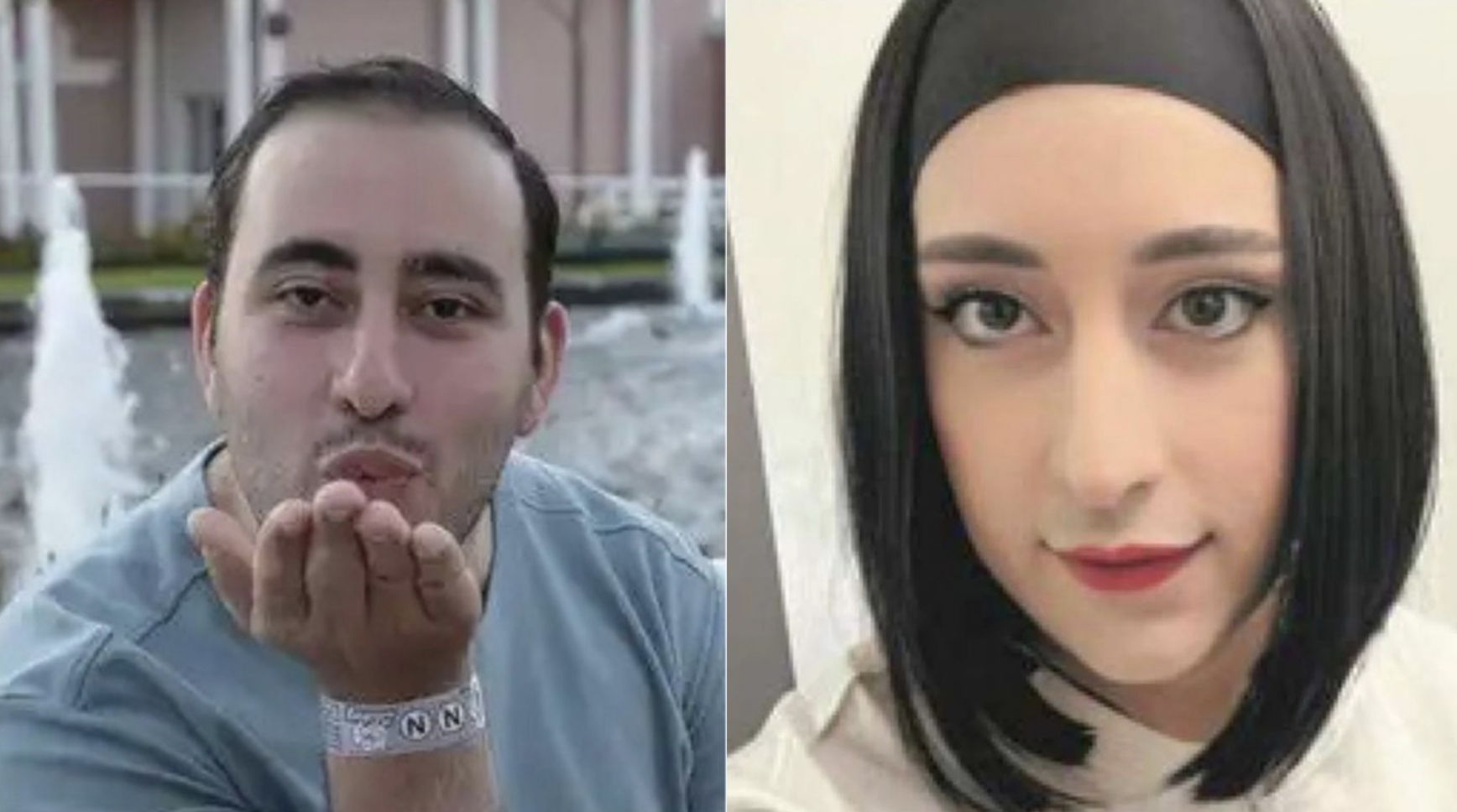
In April 2024, Egyptian national Paulus Said Foukaih Abdelshahed murdered his seven-year-old daughter and eight-year-old son in their Södertälje home by placing bags over their heads and pumping helium gas into them through a hose. The children had earlier been taken for Happy Meals and shopping. Their mother discovered the bodies that evening; Abdelshahed, then around 37, had also attempted suicide but failed.
Investigators determined that Abdelshahed had searched for terms before the murders, such as “killed his own children,” “die together” and “the most gentle way to kill someone.” Abdelshahed also confessed to the crimes during a police interrogation.
Södertälje District Court convicted him in December 2024 of premeditated murder with particular ruthlessness, imposing a life sentence and deportation. A psychiatric evaluation found no severe mental disorder that would warrant compulsory care instead of prison.
The report noted that he suffered from depression, but the judgment noted that “his actions did not appear psychotic but instrumental.”
However, Abdelshahed told investigators he suffered from gender dysphoria, had identified as female since childhood, and killed the children because he believed he could not live as a woman and that they would not cope without him.
He had previously presented as “Lily” at work and elsewhere. However, all his appeals were rejected.
To Abdelshahed’s benefit, Sweden’s new Legal Gender Recognition Act took effect on July 1, 2025. It lowered the age limit to 16, with parental consent for minors, and removed the requirement for a formal gender-dysphoria diagnosis; a certificate from a licensed healthcare professional confirming that the applicant’s registered sex does not match their perceived gender identity is sufficient.
In autumn 2025, Skatteverket approved Abdelshahed’s change of legal sex to female and of name to Lily. The Swedish prison service then transferred him from the high-security men’s prison at Tidaholm with a security class 1 designation to the women’s facility in Ystad, which has a lower security class 2 designation. The agency cited the new legal status and the need to house him with women.
Abdelshahed did not undergo any gender-changing surgery and he has retained his male anatomy.
Since the transfer, multiple female inmates and staff have reported ongoing problems. Accounts published by Expressen describe a tall, broad-shouldered individual with a beard walking around in a short nightshirt that exposes the penis. Abdelshahed has also reportedly attempted to enter unlocked shower and laundry areas while women are present and made numerous sexual advances.
“[He doesn’t] wear underwear, like the rest of us do. When I and others have told the staff, we are told that we are LGBTQI-hostile,” said a woman who was imprisoned at Ystad with Abdelshahed.
Another inmate described the situation facing female prisoners as a “horror scenario.” She related that “Lily” has walked into the laundry room and exposed his penis to her.
“The shower room also serves as a laundry room and Lily deliberately goes there when I’m washing, just to show herself naked,” the woman said.
He has also allegedly invited younger or vulnerable inmates to the cell under the pretext of applying makeup, and engaging in other conduct perceived as harassment or exhibitionism.
One woman with documented PTSD from prior sexual assault reportedly suffered a panic attack after an exposure incident and was then disciplined for “transphobic behavior.”
Several police reports of sexual molestation were dropped for lack of evidence, while complaints to the Parliamentary Ombudsman have not been pursued.
Staff members have told unions they fear being labelled anti-LGBTQ or “transphobic” if they raise concerns, and some feel their reports are dismissed by management.
Ystad prison director Anders Jansson has stated that placement follows the legal sex marker and that the facility is adapting, though guidelines for such situations remain unclear.
Prison service leadership has been summoned to parliamentary committees to explain the case.
In Sweden, trans advocacy groups have characterized coverage of the case as a campaign against transgender people.