

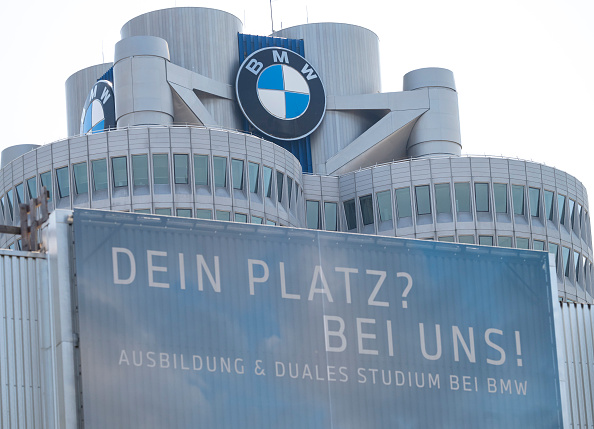
BMW is the latest German manufacturer to announce cost-cutting measures by eliminating around 8,000 jobs worldwide by the end of 2027.
The reductions are expected to begin in October following six weeks of negotiations between management and employee representatives. The agreement was finalized on Tuesday, as reported by Handelsblatt.
BMW chief executive Milan Nedeljković warned staff that the restructuring would be difficult but said the company had to restore profitability and competitiveness. The measures are estimated to save approximately €1 billion a year from 2028.
“I am aware that the coming period will demand a great deal from all of us,” he said. “BMW is important to me — and therefore I will do everything necessary to ensure that we become successful again.”
The program will focus primarily on administrative, research, planning and management roles, with further reductions expected through natural attrition and unfilled vacancies. Voluntary redundancy is also set to be offered to tens of thousands of employees in Germany.
BMW employs approximately 154,000 people worldwide, including around 84,000 in Germany.
The company has come under growing pressure from weak demand in China, competition from Chinese electric-vehicle manufacturers, U.S. tariffs and the high cost of developing new technology.
The announcement follows major reductions elsewhere in Germany’s auto industry.
Porsche announced this week that it is preparing to cut approximately 8,900 jobs, including a further 5,000 positions at its Zuffenhausen plant and Weissach development center. The measures will be carried out mainly through voluntary severance, partial retirement, and natural attrition.
Employees will also face reduced bonuses, delayed pay increases and tighter remote-working arrangements.
The wider VW Group is pursuing an even broader restructuring program that could eliminate tens of thousands of jobs by 2030 and result in some German factories being reduced in size or closed.
German Association of the Automotive Industry president Hildegard Müller recently warned that some plants may need to be transferred to foreign manufacturers to avoid closure.