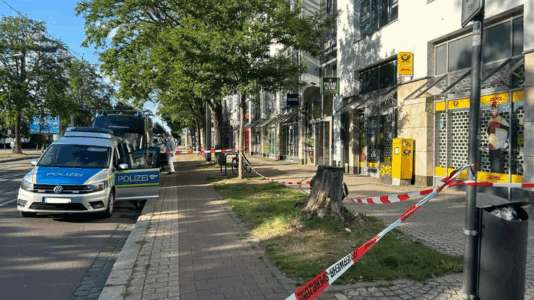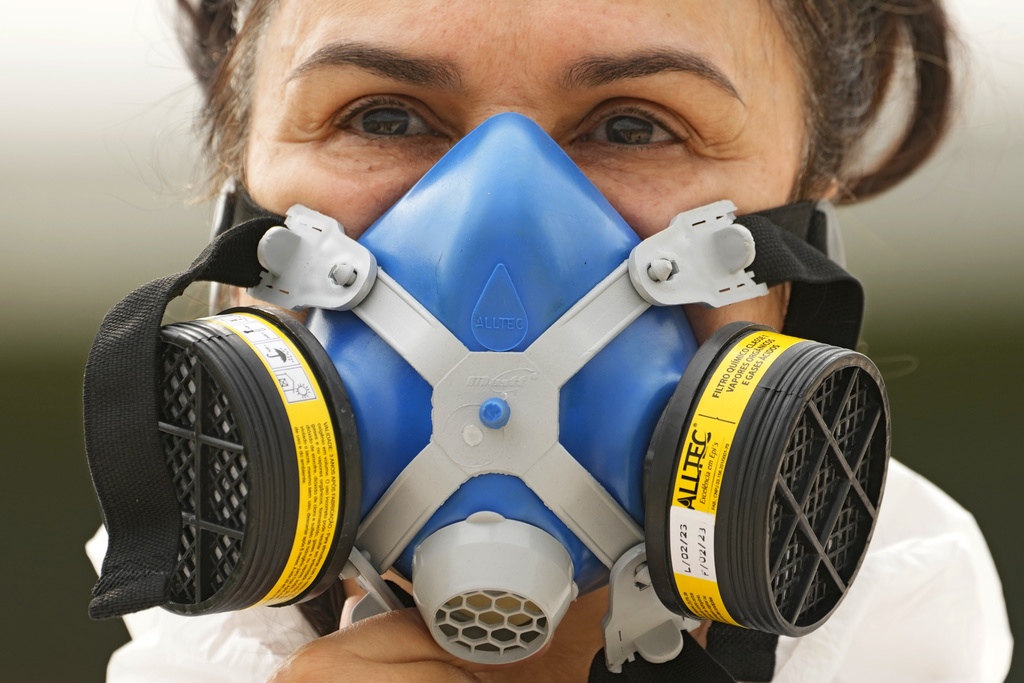
If the Mercosur agreement goes into effect, food containing massive amounts of pesticides banned in Europe will flow into Europe. A documentary on the subject produced by a French-German team has been deleted from its website, but clips from the documentary are now circulating on the web, and they show the massive threat facing Europeans.
The Polish news portal wPolityce.pl drew attention to a documentary “Pesticides: the European Hypocrisy,” by the French-German television network Arte, which is no longer available online, but fragments from the documentary are starting to appear on the X platform.
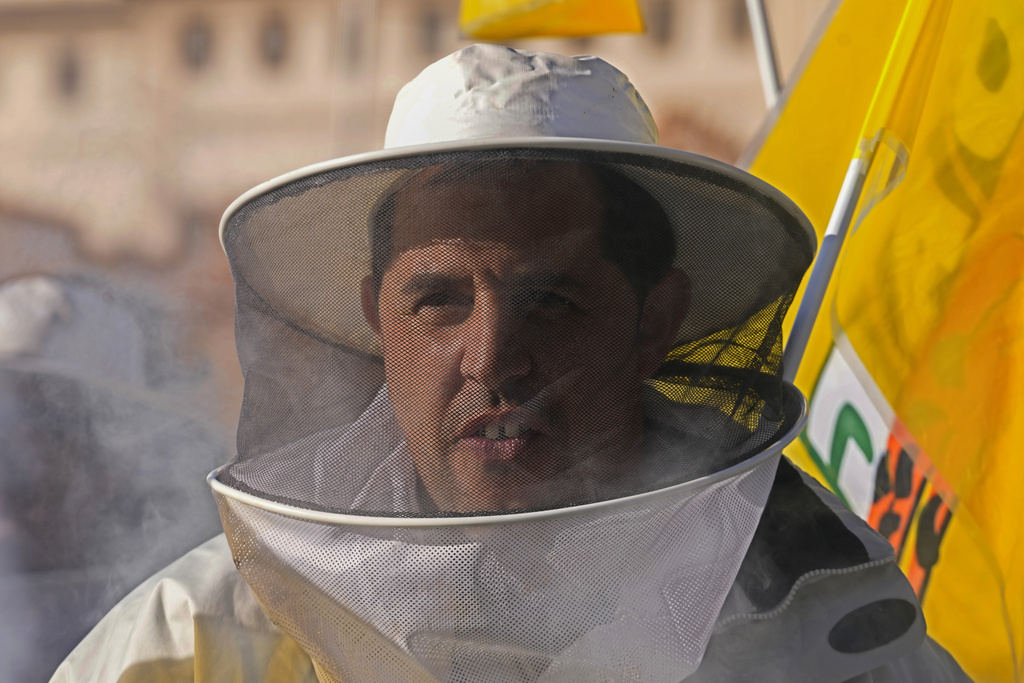
The documentary, produced three years ago, reports how pesticides produced in Europe are used in countries like Brazil. Even though these pesticides are banned for use in Europe, the EU still allows massive chemical companies like Bayer and BASF to export these chemicals abroad to countries where they are not banned.
“Why does the EU allow these (lucrative) pesticide exports to emerging countries?” the filmmakers ask. It remains unclear why Arte has deleted the documentary from its website.
The documentary reveals that in 2018, European companies sold over 80,000 tons of pesticides banned in Europe. Ninety percent of the products originate from European factories in the U.K., Italy, the Netherlands, Germany, France, Belgium, and Spain. It notes that banned chemicals such as atrazine and metolachlor are used.
The film, which at the time of publication has a copy available on DailyMotion, is one of a number of news reports raising the alarm to no effect in recent years, including from Matador, which is a program from the German public broadcaster ARD. A link in auto-translated English is also available here.
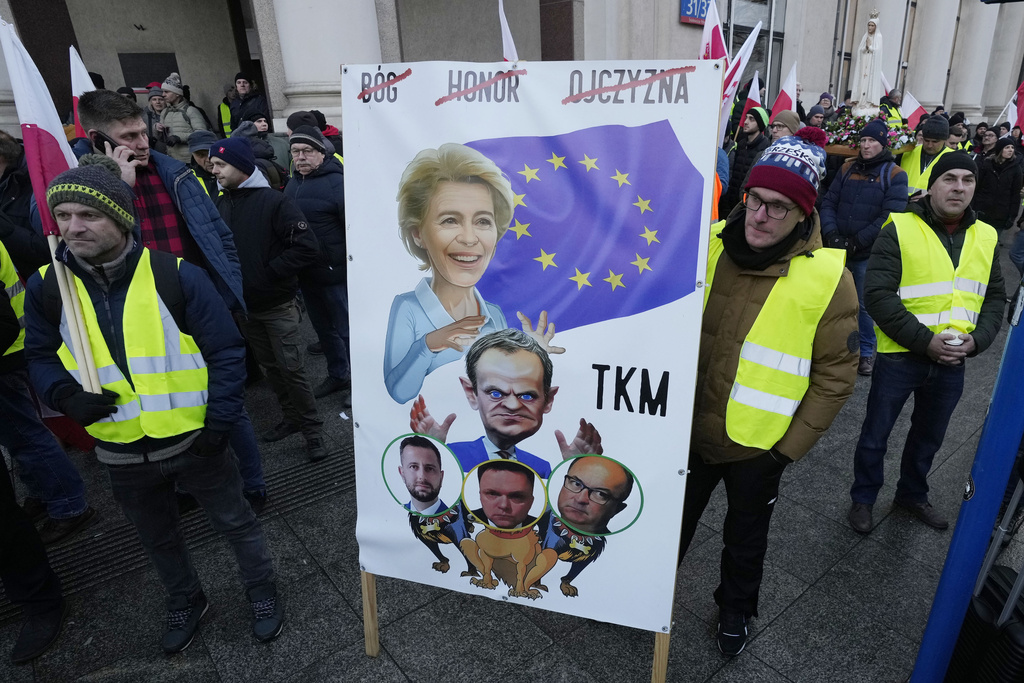
The EU-Mercosur trade agreement is dangerously close to passing, and there appears to be little in the way anymore to stop its march through Brussels. It has been in the works for 25 years, but due to the fact that it is expected to devastate EU farmers, many countries, such as Italy and France, have been fiercely opposed over the years.
France and Italy appear to have now buckled after intense lobbying from business interests, who stand to make billions
Mercosur is a major health threat
The deal could serve as a major blow to food quality, resulting in cheap meat and produce imports from South America, where standards are notably lax when it comes to pesticide and GMO use. Over the coming years, these products would find their way more and more often onto European shelves.
While the EU insists on the issue of climate protection and the Green Deal, this free trade deal will also turbocharge destructive agricultural practices in South America, where enforcement of environmental protection remains weak. Tens of millions of acres of rainforest have been destroyed to make way for cattle grazing and monocrop cultivation of soybeans and other cash crops, but with the lucrative EU market opened up, it could create a frenzy to destroy even more rainforest and convert it to agricultural use.
Opponents of the agreement point out that under the agreement, Germany will send its industrial products to South America, and in return, food from South American countries will flow to Europe. Unfortunately, this food will often be of poor quality, containing chemicals long banned in Europe.
The risks are enormous. Brazil alone allows the use of as many as 3,669 pesticides. With European markets open, Brazil will be able to send more and more of its food overseas. Europe’s emphasis on “eating local” to reduce carbon emissions associated with transportation will become a joke, as food from halfway around the world will often be cheaper than locally produced goods. European chemical companies will reap massive profits.
“Mato Grosso. This Brazilian state is the kingdom of the agricultural industry. Cotton, rice, sugarcane, corn, massive production of transgenic soybeans, and record pesticide use. Mato Grosso wins every global competition in the field of agrotoxicity. That’s the term used by those who condemn the chemical empire. Brazil allows the use of 3,669 pesticides. It’s a veritable Eldorado for corporations, primarily European ones. Products banned on the Old Continent are sold here,” said the narrator in the film.
“The poisoned kingdom is primarily a market of international corporations, including three European giants: the Swiss company Syngenta , and the German companies BASF and Bayer, which absorbed Monsanto in 2018,” the film states.