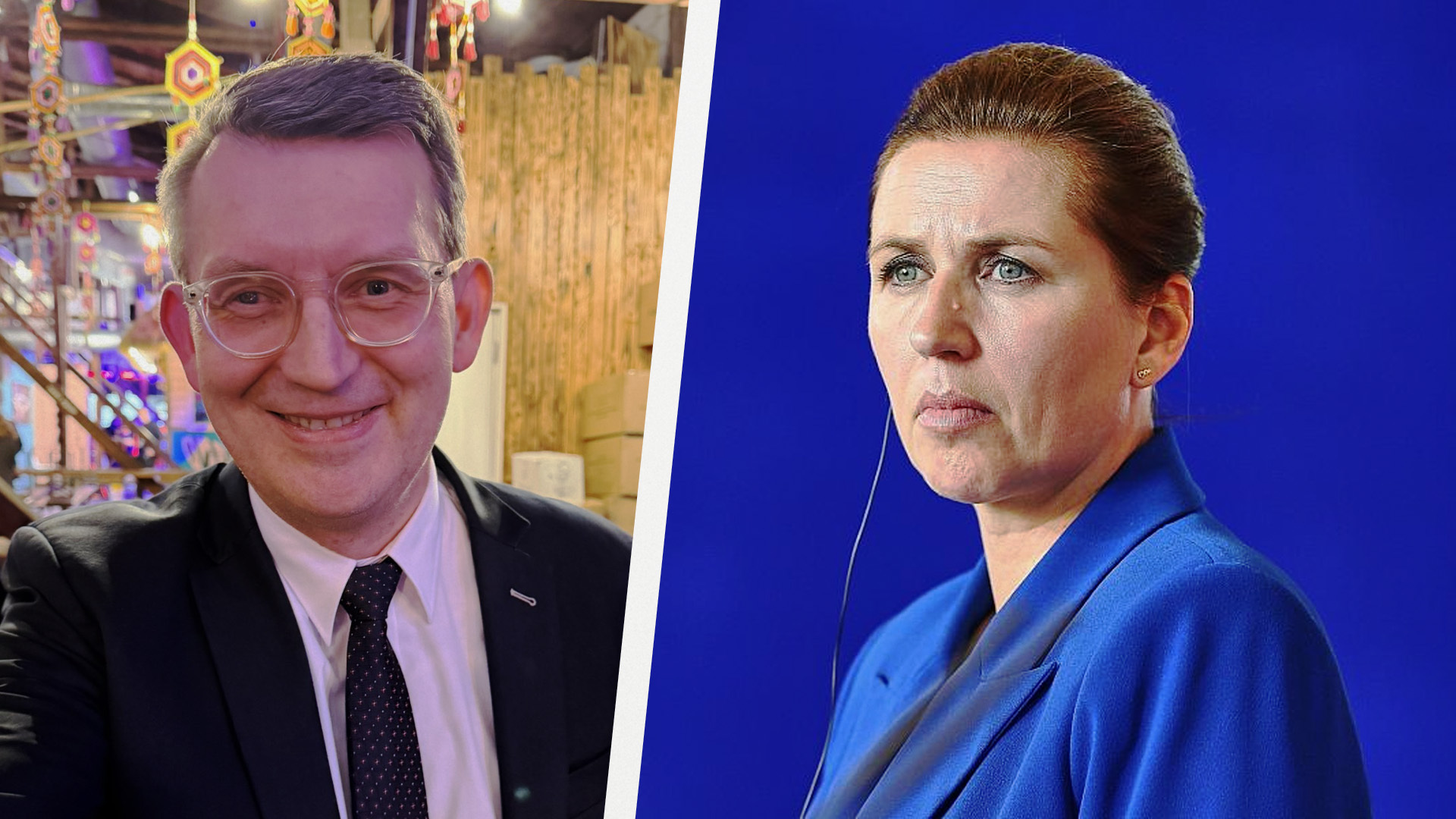
Denmark is on the verge of a power shift after Mette Frederiksen’s government formation talks collapsed. After an extremely close and fragmented election in March, the incumbent prime minister spent months trying to build a coalition but was ultimately unable to reach an agreement with potential partners.
Danish King Frederick X has now set a new course, asking the leader of the Venstre party (Liberals), Defense Minister Troels Lund Poulsen, to begin negotiations to form a center-right government. This move effectively means that the king no longer sees Frederiksen as the next head of cabinet, and Poulson could become the next prime minister.
In a post on X speaking of the work at hand, he wrote: “I am focused on securing a political foundation that allows us to invest in our children, health, and elderly at the same time as we make it cheaper to be Danish.”
Frederiksen has led the country since 2019 and was preparing for her third term, but the election in March failed to hand her a governing majority.
As Remix News reported at the time, the Social Democrats won 21.9 percent of the vote and 38 seats, remaining the biggest party but down sharply from 50 seats in the previous parliament. Across the political spectrum, all three governing parties lost ground, including Poulsen’s own center-right Venstre party, which dropped from 23 to 18 seats, and the Moderates, which fell from 16 to 14.
The party that saw an increase was the Danish People’s Party, which won 9.1 percent of the vote and 16 seats, up from just 5 in the last parliament, after campaigning on a hardline immigration platform.
Immigration has been a key issue for voters, and Frederiksen tried to attract voters with promises of deportation reform during her campaign aimed at expelling more foreign nationals convicted of serious crimes.
In late 2023, Remix News reported on the massive proportion of non-Western foreigners perpetrating violent crimes in Sweden.
And just last October, it was revealed that 72 percent of all convictions under the gang clause involved individuals with non-Western roots.
In a harrowing case this past February, Remix News reported that an employee at the Municipality of Copenhagen went on trial on charges that he had illegally harvested personal data from Denmark’s national CPR registry and sold the information to criminal networks — predominantly migrant gangs — who allegedly used it to plan robberies, violent assaults, and an attempted contract killing.
Unable to sway enough voters and form a government, even Frederiksen admitted what the future holds. “This could even be the beginning of the formation of a center-right government,” she said on Friday, effectively predicting her own downfall.
Poulson noted in his X post announcing his work to form a government: “At the same time, we must be able to pursue a strict immigration policy, ensure clean drinking water, improve animal welfare, and strengthen Danish defense.”
Any government, he added must be based on “an offensive, economic reform foundation” in order to “strengthen the Danish economy, support our entrepreneurs, and bolster the competitiveness of our businesses.”