German authorities have frozen €5.9 million ($6.5 million) in assets of an operator of a fast-growing intensive-care nursing service. She is now in custody over allegations that the company billed public health insurers for services that were never fully provided or were performed by unqualified staff, causing an estimated €11 million in damage.
Zeynep C., 39, a Turkish national who rose from supermarket work to run White Angels Intensive Care, was arrested Sept. 17 during coordinated raids involving more than 200 officers from police, customs and financial crime units. The case is making major headlines, also in part due to the luxury lifestyle she was living.
Her 44-year-old German husband was also detained. Both remain in pretrial custody.
Thirteen people ages 20 to 54 — of Turkish, Moroccan, Egyptian and German nationality, some with dual citizenship — are also under investigation.
The Wuppertal public prosecutor’s office, which specializes in health-care billing fraud, said investigations began in December 2025 after anonymous tips. Over eight months, detectives examined a network of companies centered in the Düsseldorf and Mettmann area that provided outpatient intensive care, including home ventilation and palliative services, to severely ill patients.
Prosecutors allege the group billed statutory health insurers for intensive-care hours that were not delivered or were incomplete, and that some care was given by staff lacking the required qualifications.
“They must keep qualified personnel available around the clock for seriously ill patients. Those are considerable wage costs that an employer also has to bear,” Chief Prosecutor Wolf-Tilman Baumert told WDR. Using unqualified workers or billing for nonexistent care made “huge profits” possible, he said.
Company records reviewed by investigators showed explosive growth. After roughly eight months of operation under its current name, the service posted about €1 million in profit by the end of 2023. Profit rose to nearly €3 million in 2024, with €11 million in revenue projected for 2025 — a figure that now matches the estimated total loss to insurers. The firm, previously called CAN-Vefa GmbH, marketed itself as offering “culturally sensitive care” with a multilingual team.
During the searches of 31 homes, offices and practices across North Rhine-Westphalia and one site in Hesse, officers found a care-dependent child in a Düsseldorf apartment in “very poor health.” The child was taken by ambulance to a hospital for inpatient treatment; child-protection officials were notified. Authorities said any proven neglect of patients would be an aggravating factor in the case.
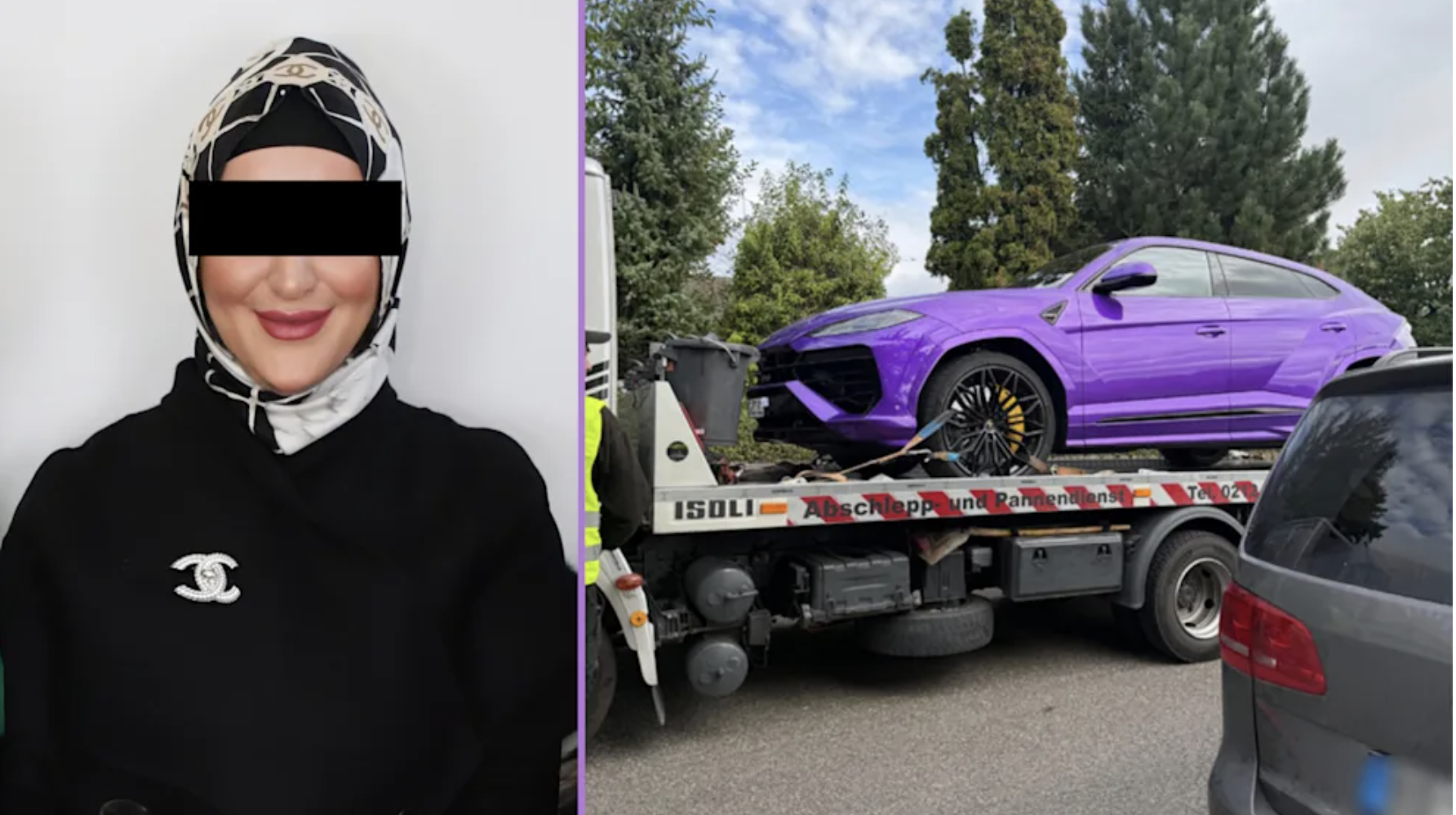
Seized items included several luxury vehicles registered as company cars — a Maybach, Mercedes-AMG models and a purple Lamborghini — plus €51,000 in cash, jewelry valued at €265,000, gold worth about €10,000, designer handbags and watches totaling more than €150,000. Mortgages totaling €3.3 million were placed on properties. At the couple’s home in Mettmann, police also recovered a loaded firearm, marijuana and anabolic steroids. A doctor’s stamp, which investigators believe used to forge prescriptions, was among the documents seized.
Zeynep C. had cultivated a public image of success. Photos circulated in German media showed her wearing Chanel-branded clothing and accessories alongside images of the seized Lamborghini being towed. Prosecutors are examining whether the luxury spending was financed by the alleged fraud.
The Düsseldorf-based nursing company itself has not been shut down and continues under a different manager, according to local reports. No charges have been filed yet, and the investigation is still underway.
Billing fraud of this scale, if proven as commercial and organized, can carry prison terms of up to 10 years under German law. If prosecutors discover children and other patients were left untreated or poorly treated due to fictional or inadequate care services, the length of potential prison sentences could expand significantly.