In a historic first since the founding of the Federal Republic of Germany, the Christian Democrats (CDU) have failed to enter a state parliament after falling below 5 percent in Mecklenburg-Vorpommern. In Sunday’s election, the Alternative for Germany (AfD) finished first with 38.2 percent.
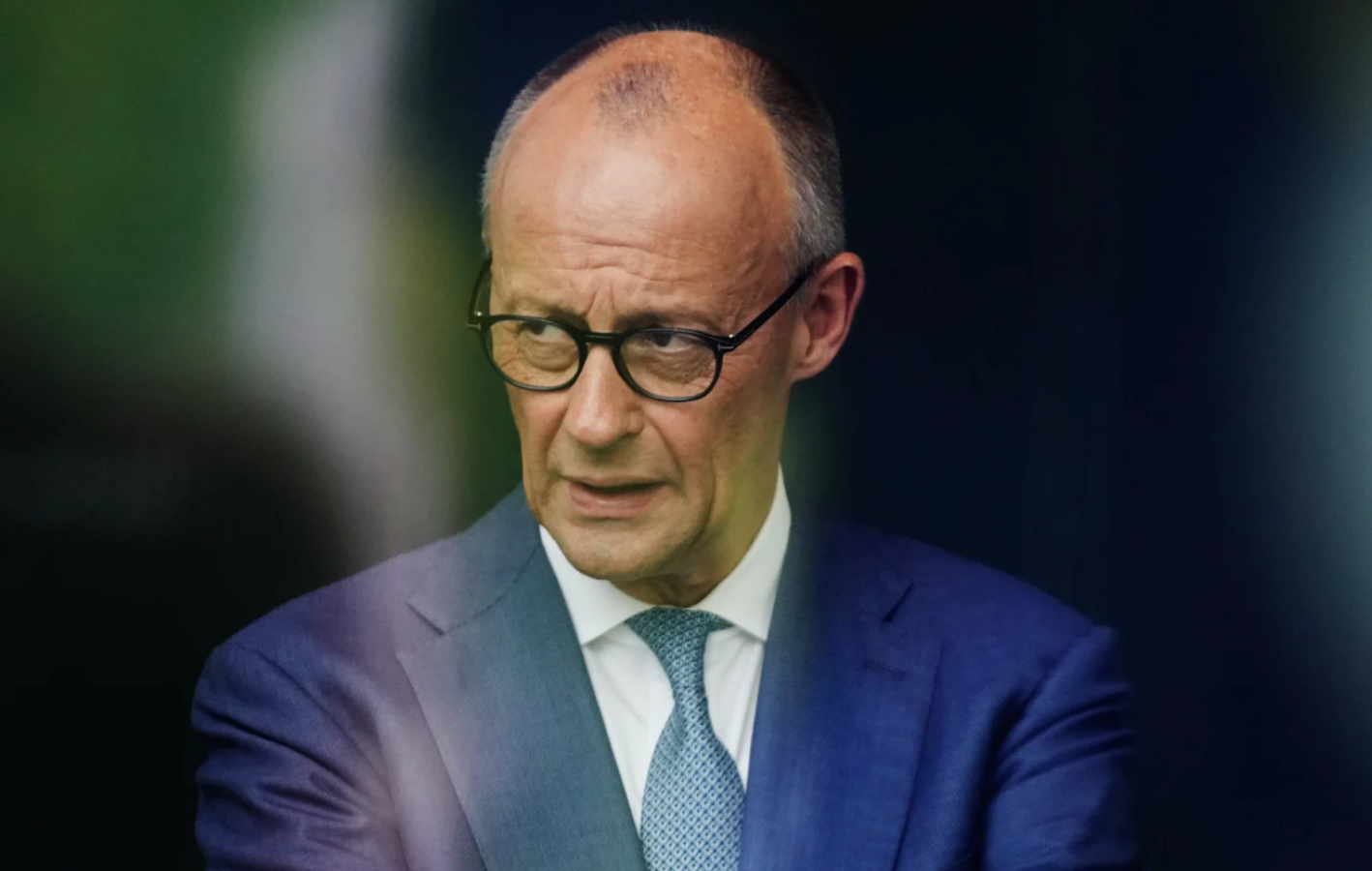
“The result is a disaster,” Chancellor Friedrich Merz said shortly after polls closed in Mecklenburg-Western Pomerania and Berlin. He made the remark before public broadcasters ARD and ZDF projected that the CDU would drop below 5 percent in the northeastern state. That threshold is decisive in German politics: parties that fall short do not enter parliament.
The preliminary result is now in. The CDU finished at 4.9 percent, down 8.4 points from 2021. It is the party’s worst state-election result in postwar German history. The outcome is likely to revive calls for Merz to resign. He has given no sign that he will, and he also refuses to give up the CDU chairmanship.
Instead, Merz spoke of reforms that require “backbone, steadfastness and patience,” adding: “I will bring this up, as party chairman of the CDU and above all as chancellor of our country.”
No further pivotal state elections are imminent, and Merz is betting that debt-financed spending will start to show in the economy. He hopes that by 2027 he can point to two years of growth.
The problem is that fuel prices keep rising, health-insurance costs remain high, and large parts of German industry are under pressure from tariffs, input inflation, and competition from China.
The AfD is increasing that pressure. It finished well short in Berlin, below 17 percent, but took first place in Mecklenburg-Vorpommern with 38.2 percent — more than double its 2021 result of 16.7 percent. That follows its victory in Saxony-Anhalt, where it won 43.8 percent. The AfD will not govern in Schwerin, the capitol of Mecklenburg-Vorpommern, however. The Social Democrats (SPD) came second with 35.5 percent. Together with the Left (6.5 percent) and the Greens (5.7 percent), the SPD has enough seats for a coalition and is expected to stay in power.
AfD co-leader Alice Weidel called her party the new “people’s party” and said the CDU had been displaced in that role.
“We are the strongest force and have arrived in the middle of the population,” she said on ZDF.
Voters had wanted “a change of policy,” she added, declaring the firewall of other parties against working “a failure.” Her long-term goal, she said, is coalition talks with the CDU.
Co-leader Tino Chrupalla claimed a “clear government mandate” and said the AfD would offer talks to all parties. The other parties in the new Mecklenburg-Vorpommern parliament have already ruled that out.