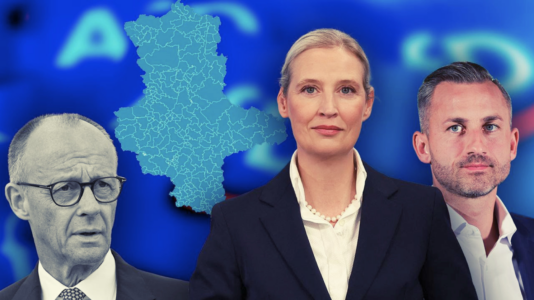

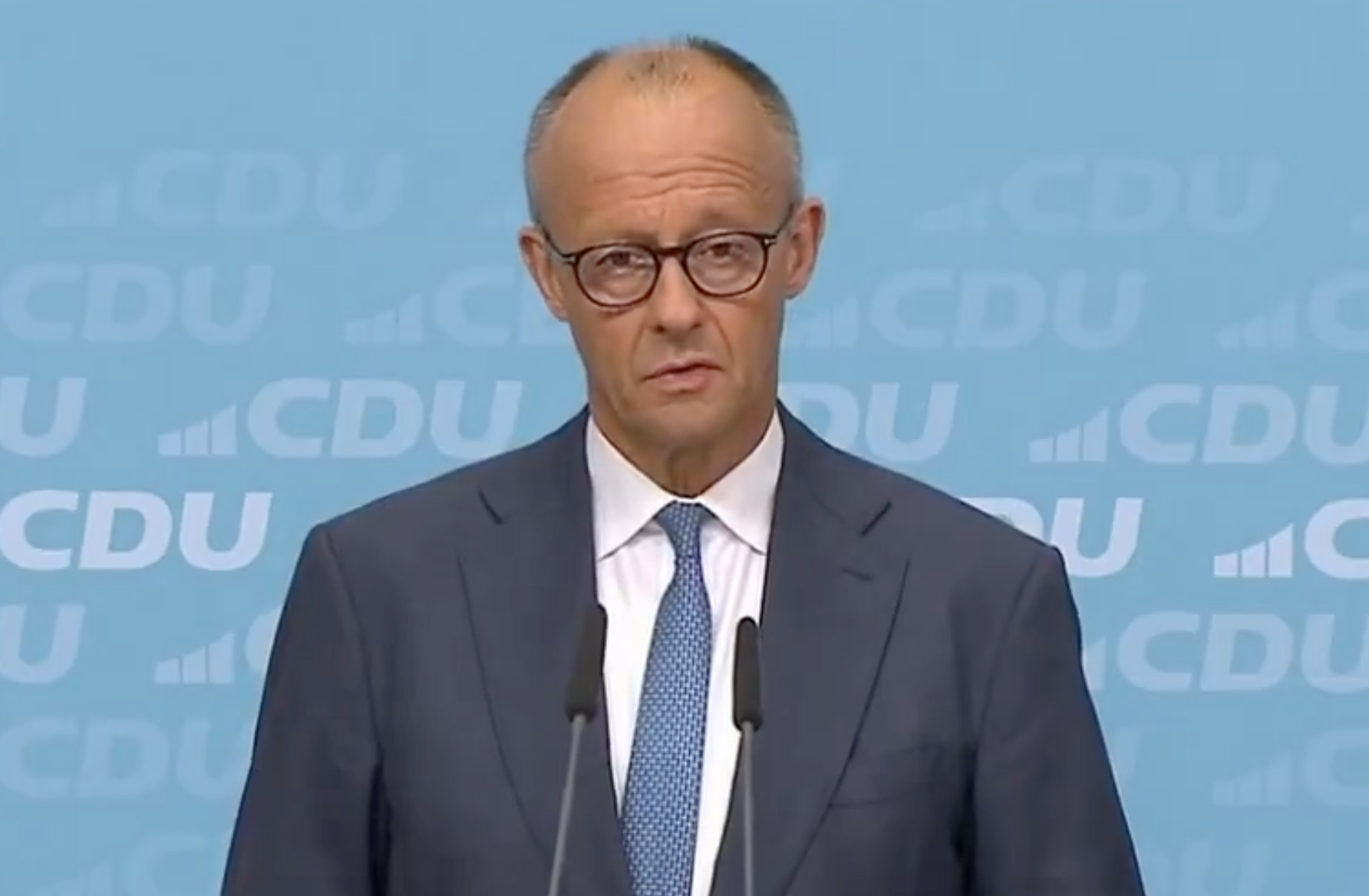
Germany’s political establishment is still absorbing the shock of Sunday’s state election in Saxony-Anhalt, where the Alternative for Germany (AfD) surged to 43.8 percent and the Christian Democratic Union (CDU) of Chancellor Friedrich Merz crashed to 17.2 percent. Merz called the result the CDU’s “heaviest defeat” in decades and said it could not simply be treated as business as usual.
“And I have to admit, this is the heaviest electoral defeat that the CDU has suffered in years, in decades,” Merz told reporters in Berlin after CDU leadership meetings. “We are all deeply shocked…We did not expect it to be like this.”
“That does something to us. Including me personally… All of this will, of course, have to have consequences,” he continued.
🇩🇪🔴BREAKING: Merz just said he is "deeply shocked" by the AfD's landslide victory.
"And I have to admit, this is the heaviest electoral defeat that the CDU has suffered in years, in decades."
"That does something to us. Including me personally… All of this will, of course,… pic.twitter.com/L4cycKdH6h
— Remix News & Views (@RMXnews) September 7, 2026It remains unclear what those “consequences” will be exactly, as Merz did not clarify. However, he did point to two upcoming elections in Berlin and Mecklenburg-Vorpommern, which will be held in the next two weeks. If the CDU faces further routs, there may be pressure for Merz to step down.
He accepted the democratic verdict but insisted the outcome had changed the political landscape “not only in Saxony-Anhalt, but throughout Germany.” When nearly 60 percent of voters backed parties that question the country’s democratic institutions, he said, “that is an election result with which we can not just treat as business as usual.”
Merz said he was searching for explanations, including in his own record: “What fear is there in the population that we may have underestimated?”
Merz has plans to hold talks in the coming days with SPD leaders on how the coalition could continue on its present course.
“Giving up is not an option,” he added.
Meanwhile, the AfD federal co-leaders Alice Weidel and Tino Chrupalla pledged support for an AfD government in Saxony-Anhalt. Weidel called it a “dream result” and argued Merz had become “a great burden.” She predicted the CDU/CSU would never again win a federal election and said the AfD’s goal was to widen the gap to at least 40 percent by the next national vote. Chrupalla called the outcome “absolutely historic.”
Merz’s coalition partner, Bärbel Bas of the far-left Social Democrats (SPD), used her own press conference to argue that the government’s language on work and welfare had itself fueled public anxiety.
Outgoing Minister-President Sven Schulze was blunt: the CDU no longer held a government mandate and would sit in opposition. He ruled out CDU defectors joining any AfD-led arrangement and predicted the BSW would help put an AfD in power.
AfD lead candidate Ulrich Siegmund described the result as “a very clear government mandate” and said he could be “perhaps the next minister-president.”
As Remix News reported, the AfD has a real opportunity to lead Saxony-Anhalt, but a number of scenarios could play out, including a coalition with BSW or even a snap election.